Tympanoplasty Treatment
How is tympanoplasty performed?
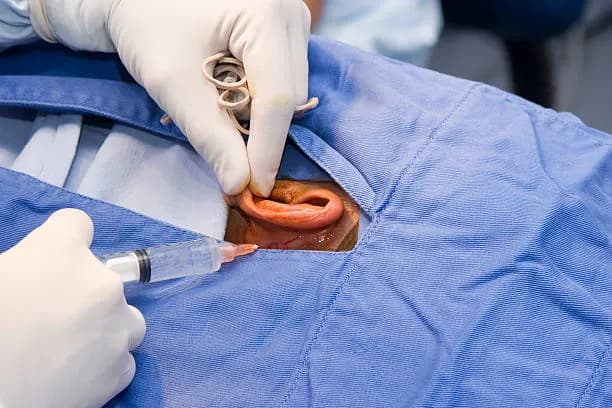
Tympanoplasty is a delicate surgical procedure that repairs the tympanic membrane, or eardrum, and can involve reconstruction of the ossicles, the tiny bones in the middle ear. The operation is tailored to the individual's needs, based on the type and extent of ear damage. Here's an overview of how tympanoplasty is typically performed:
Preparation: Before the surgery, a thorough examination of the ear is conducted, including an assessment of the eardrum and hearing tests. The patient may undergo audiometry to evaluate hearing levels and tympanometry to check middle ear function. Based on these assessments, the surgeon decides the best surgical approach and technique.
Anesthesia: Tympanoplasty is usually performed under general anesthesia, meaning the patient is fully asleep during the procedure. In some cases, local anesthesia may be used instead.
Surgical Approach: The surgery can be approached in different ways, depending on the specific case. A common method involves making an incision behind the ear (postauricular approach). The ear is gently moved forward, and the eardrum is exposed. Alternatively, the surgeon may operate through the ear canal (transcanal approach) or make an incision within the ear (endaural approach).
Grafting: A critical part of tympanoplasty is grafting tissue to repair the eardrum. The graft material, often taken from the patient's own body, such as the temporalis fascia, is carefully placed over the perforation to close the gap. If the ossicles are damaged, they may be repaired or replaced with prosthetic devices during the same procedure.
Closure: Once the graft is in place and any necessary ossicular reconstruction is complete, the incisions are closed. The ear is then bandaged, and the patient is moved to a recovery area to be monitored as the anesthesia wears off.
Recovery: Postoperative care is crucial for the success of tympanoplasty. Patients are typically advised to avoid water exposure and strenuous activities that could impact the healing eardrum. Follow-up visits are scheduled to monitor the graft's integration and the restoration of hearing function.
The entire process of tympanoplasty requires precision and expertise, as the structures within the ear are extremely delicate. The success rate of tympanoplasty is high, with many patients experiencing significant improvements in hearing and a reduction in ear infections post-surgery.
How to prepare for tympanoplasty
Preparing for tympanoplasty involves several steps to ensure the best possible outcome for the surgery. It's a collaborative process between the patient, the surgeon, and the healthcare team. Here's a comprehensive guide on how to prepare:
Medical Evaluation: The first step is a thorough medical evaluation. Your surgeon will review your medical history and perform a physical examination. An examination of the ear using an otoscope and a microscope helps visualize the eardrum and assess the extent of damage.
Hearing Tests: Audiometric tests may be conducted to determine the level of hearing loss and tympanometry to evaluate the condition of the middle ear.
Discussing Risks and Benefits: Understanding the potential risks and benefits of the surgery is crucial. Common risks include pain, bleeding, infection, dizziness, and in rare cases, worsening hearing loss or facial nerve injury.
Pre-Surgical Instructions: You'll receive specific instructions to prepare for the day of surgery. These often include fasting guidelines, such as not eating or drinking after midnight before the surgery.
Medication Review: Inform your surgeon about all the medications you're taking, including over-the-counter drugs and supplements. Some medications may need to be stopped or adjusted before the surgery.
Personal Preparation: Take a bath or shower before your surgery. Do not apply lotions, perfumes, deodorants, or nail polish. Avoid shaving the surgical site yourself. Remove all jewelry, piercings, and contact lenses if you wear them.
Arranging Transportation: Since you'll be under anesthesia, you'll need someone to drive you home after the surgery.
Home Preparation: Prepare your home for your return from the hospital. Create a comfortable resting area, as you'll need to avoid strenuous activities for a few days to weeks.
By following these steps, you can help ensure a smooth surgical experience and recovery. Tympanoplasty has a high success rate, and with proper preparation and care, you can look forward to improved hearing and ear health.
Tympanoplasty Benefits & Risks
Tympanoplasty, a surgical procedure to repair a perforated eardrum and potentially the ossicles of the middle ear, offers significant benefits but also carries certain risks. Understanding these can help patients make informed decisions about their healthcare.
Benefits of Tympanoplasty: The primary benefit of tympanoplasty is the restoration of the eardrum's integrity, which can significantly improve hearing. By closing the perforation, tympanoplasty reduces the risk of recurrent middle ear infections, which can lead to chronic discomfort and further hearing loss. It also helps prevent the entry of water and other foreign substances into the middle ear, which can cause infections. For many patients, the surgery can mean a return to normal hearing levels and a substantial improvement in the quality of life.
Risks of Tympanoplasty: While tympanoplasty is generally safe, it is not without risks. Complications, although rare, can include pain, bleeding, infection, and dizziness post-surgery. There's also a risk of graft failure, where the tissue used to repair the eardrum does not integrate properly, necessitating further surgery. In some cases, there may be temporary or permanent worsening of hearing. Tinnitus, or ringing in the ears, may occur as a new symptom or worsen if it was present before the surgery. Facial nerve injury, leading to facial paralysis, is a rare but serious complication that can occur if the facial nerve, which runs through the middle ear, is damaged during the procedure.
Patients considering tympanoplasty should discuss the potential risks and benefits with their surgeon. The decision to proceed with surgery should be based on a thorough understanding of the individual's specific condition, the likelihood of natural healing, the potential for improved hearing, and the risks associated with the procedure.