


Herbal medicine is one of the oldest forms of healthcare in the world. For thousands of years, different cultures have used plants, herbs, roots, flowers, seeds, and plant extracts to support health and manage a variety of conditions. Today, herbal medicine remains popular, both as part of traditional healthcare systems and as a complementary approach alongside modern medicine. The benefits of herbal medicine depend on the specific plant, preparation, dosage, quality, and individual health circumstances.
What Is Herbal Medicine?
Herbal medicine refers to the use of medicinal plants or substances derived from plants for health-related purposes. Depending on the tradition and preparation, herbs may be consumed as teas, capsules, tablets, tinctures, powders, extracts, or topical preparations.
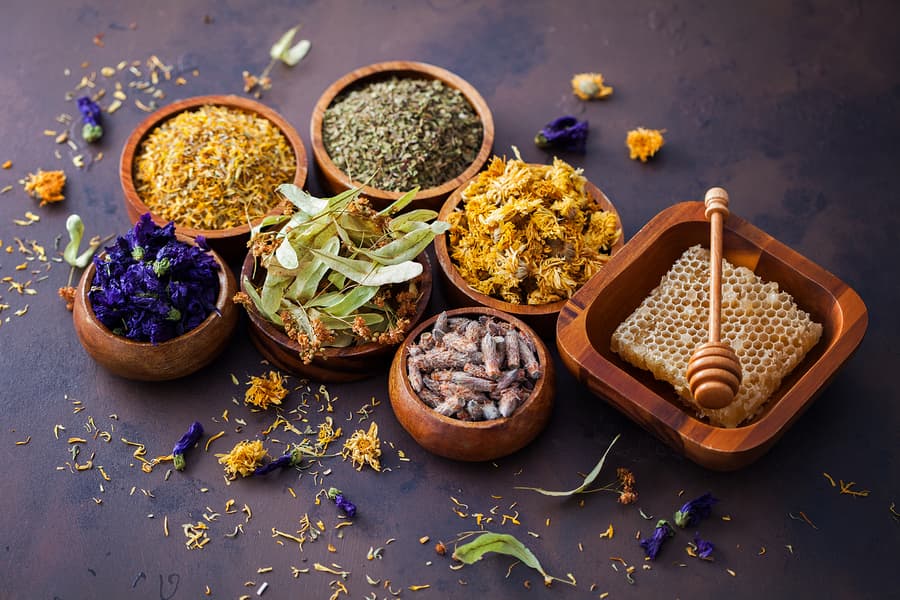
Some well-known examples include ginger, turmeric, peppermint, chamomile, garlic, ginseng, echinacea, and milk thistle. Different herbs contain different active compounds, which may have effects on processes such as inflammation, digestion, immune function, or the nervous system.
Potential Benefits of Herbal Medicine
May Support Overall Health and Wellness
One of the main reasons people use herbal medicine is to support general health and well-being. Certain plants contain naturally occurring compounds such as polyphenols, flavonoids, terpenes, and antioxidants.
For example, herbs and spices rich in antioxidant compounds may help protect cells from oxidative stress. However, the effects vary considerably between different herbs, and herbal supplements should not be viewed as a substitute for a balanced diet, exercise, sleep, or appropriate medical care.
May Have Anti-Inflammatory Properties
Some medicinal plants contain compounds that may influence inflammatory pathways in the body. Turmeric, for example, contains curcumin, a compound that has been extensively studied for its potential anti-inflammatory effects.
Certain herbal preparations may therefore be considered as complementary options for people dealing with inflammatory conditions. However, evidence varies by condition, and the effectiveness of a particular herbal product depends heavily on its formulation and dose.
May Support Digestive Health
Several herbs have traditionally been used to relieve digestive complaints. Ginger, for example, is commonly used for nausea and digestive discomfort, while peppermint has traditionally been used for symptoms such as abdominal discomfort and bloating. Other herbs may be used to support appetite or digestion.
Although some herbal products have demonstrated benefits in clinical studies, persistent digestive symptoms should always be medically evaluated rather than managed exclusively with herbal remedies.
May Help With Stress and Relaxation
Some herbs are traditionally used to promote relaxation and support emotional well-being. Chamomile, for instance, is commonly consumed as a tea because of its calming properties. Other herbal products, including certain preparations of valerian or lavender, have also been investigated for their potential effects on sleep and relaxation.
However, herbal remedies can interact with medications that affect the brain and nervous system. Anyone experiencing persistent anxiety, insomnia, or other psychological symptoms should discuss appropriate treatment options with a healthcare professional.

May Support Sleep
Sleep-related herbal remedies are widely available. Some herbs have traditionally been used as mild sedatives or sleep-supporting agents. Valerian, chamomile, and lavender are among the herbs commonly associated with relaxation and sleep. Some research suggests that particular preparations may provide benefits for certain people, although evidence is not equally strong for all products.
Good sleep hygiene remains an important part of managing sleep problems, and chronic insomnia may require professional evaluation.
May Provide Antioxidant Compounds
Many plants contain antioxidants that help neutralize free radicals and protect cells from oxidative damage. Fruits, vegetables, herbs, and spices can all contribute antioxidants to the diet. Herbal products may provide concentrated amounts of certain plant compounds, but taking a supplement does not necessarily provide greater health benefits than obtaining nutrients from a varied diet.
The quality and concentration of active ingredients can also differ substantially among herbal products.
May Support Certain Aspects of Immune Function
Some herbs have traditionally been used to support the immune system. Echinacea, elderberry, garlic, and other plants are often marketed for this purpose.
Research into these products has produced varying results depending on the specific herb, preparation, and health outcome being studied. Herbal medicine should therefore not be considered a replacement for vaccination, appropriate infection treatment, or medical assessment.
May Offer Complementary Support for Certain Conditions
One of the potential advantages of herbal medicine is that some preparations may be useful as complementary therapies. For example, a healthcare professional may recommend an evidence-supported herbal preparation alongside conventional treatment to help address particular symptoms. This approach is different from replacing prescribed treatment with an unproven herbal remedy.
The goal of complementary medicine is generally to integrate potentially beneficial approaches while maintaining appropriate conventional medical care.
Are Herbal Medicines Safe?
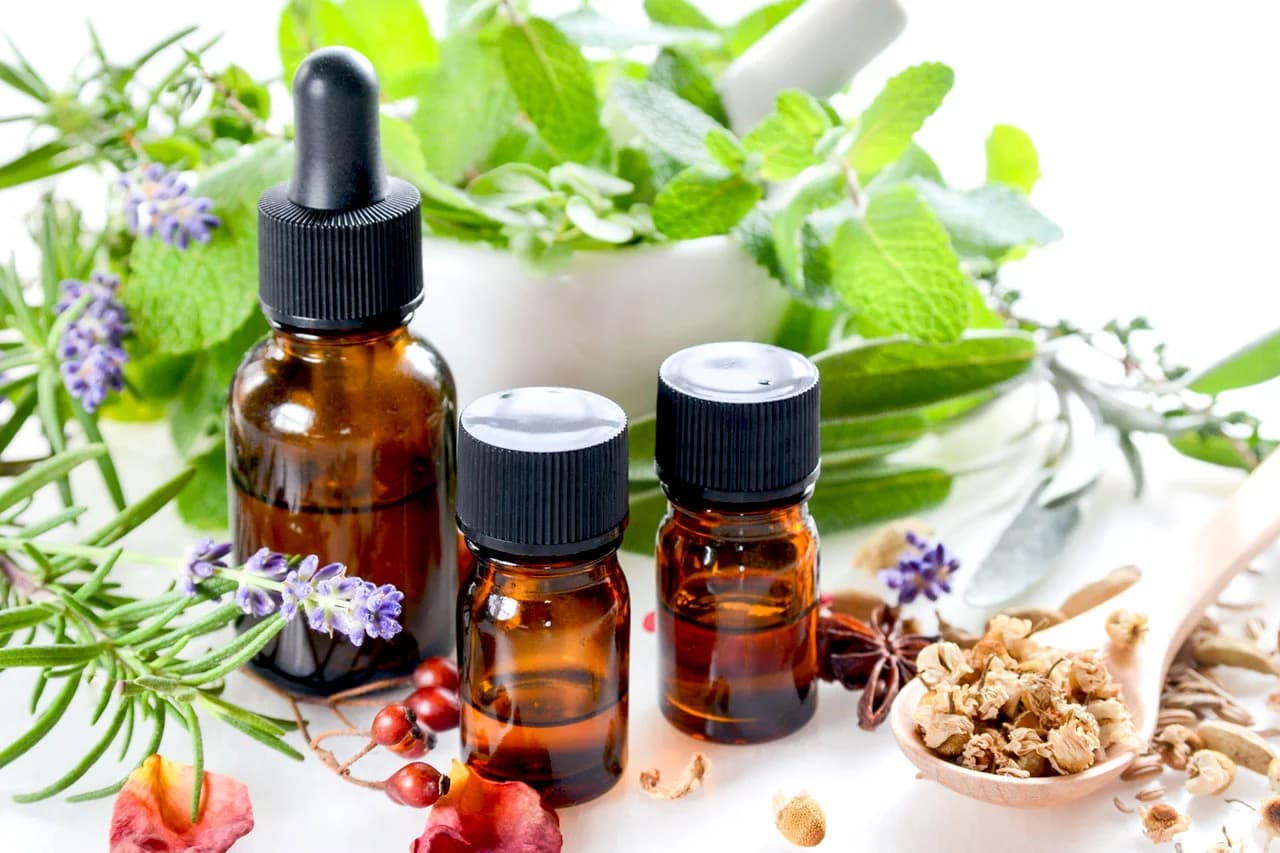
Herbal medicines can cause side effects and are not automatically safe simply because they come from plants. Some herbs can cause allergic reactions, gastrointestinal problems, changes in blood pressure or blood sugar, or other adverse effects.
More importantly, certain herbs can interact with prescription medications. For example, St. John's wort can interact with numerous medicines and reduce the effectiveness of some drugs. Other herbal products may affect blood clotting, which can be particularly important for people taking anticoagulant medications or preparing for surgery.
For these reasons, patients should discuss herbal products with a qualified healthcare professional, particularly if they take prescription medication or have an underlying medical condition.
Herbal Medicine vs. Conventional Medicine
Herbal medicine and conventional medicine do not necessarily have to be viewed as competing approaches. In some healthcare settings, they can be used as complementary approaches.
Conventional medicine benefits from extensive research, standardized treatments, diagnostic technology, and established clinical guidelines. Herbal medicine, meanwhile, draws on traditional knowledge and research into plant-based compounds.
The best approach depends on the individual and the condition being treated. For serious or potentially life-threatening illnesses, delaying evidence-based medical treatment in favor of an unproven herbal remedy can be dangerous.

Conclusion
Herbal medicine offers a long history of traditional use and may provide potential benefits in areas such as general wellness, digestive health, relaxation, sleep, inflammation, and antioxidant support. Some herbal preparations have also been studied as complementary treatments for specific health conditions. Nevertheless, herbal medicine should not be considered risk-free or automatically superior to conventional treatment. Scientific evidence varies considerably between herbs and conditions, while dosage, product quality, and interactions with medications can significantly influence safety and effectiveness.
Read More