

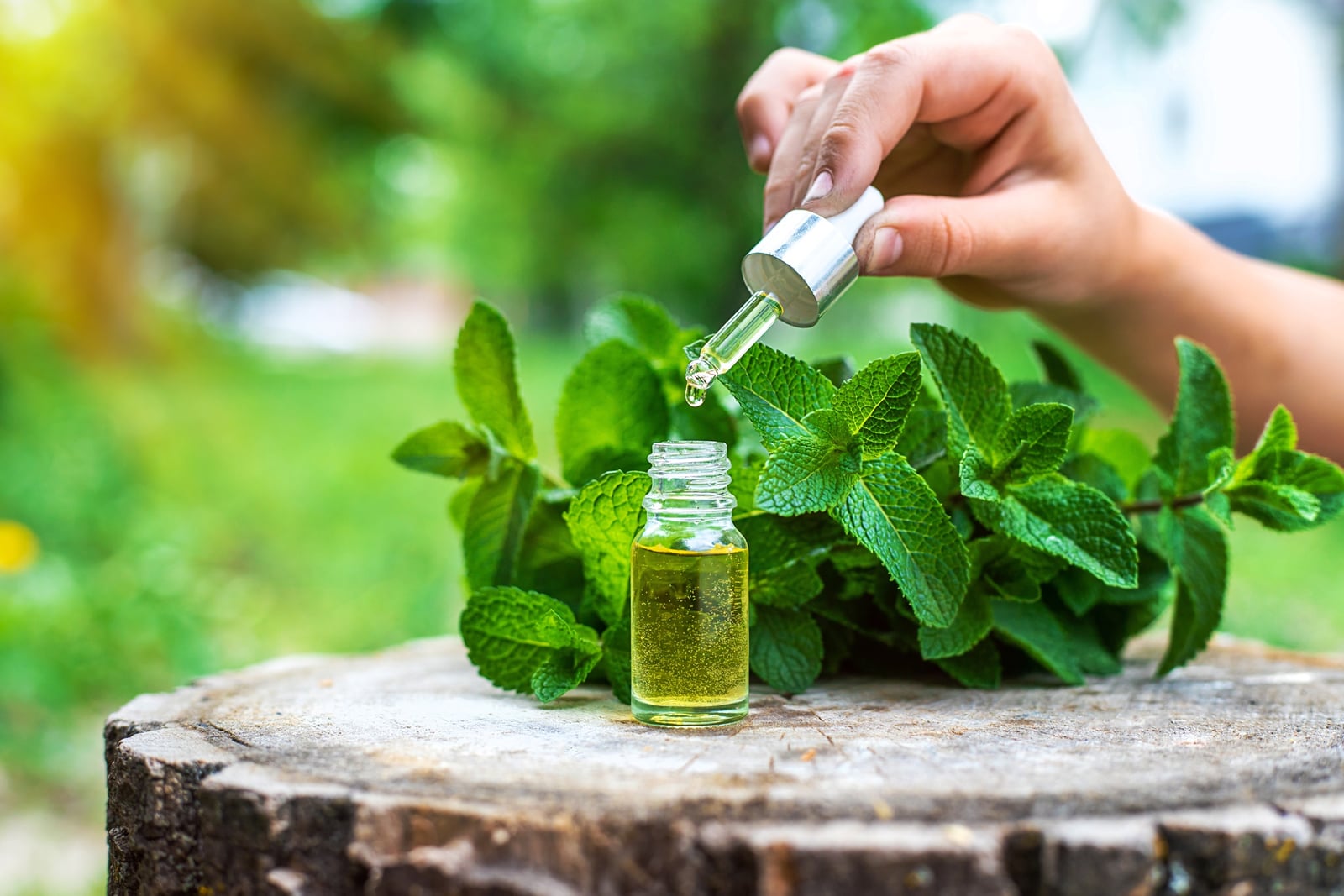
Herbal medicine is a form of complementary and traditional healthcare that uses plants, plant extracts, roots, flowers, leaves, seeds, and other botanical substances to support health and manage certain symptoms. It has been used for centuries across medical traditions around the world and remains popular today among people seeking natural or complementary approaches to healthcare.
Modern herbal medicine ranges from traditional preparations such as herbal teas and tinctures to standardized capsules, tablets, powders, and extracts. Some herbal products have been scientifically studied and may have evidence supporting specific uses, while others have limited or inconsistent evidence. Therefore, herbal medicine should not be considered a single type of treatment with the same level of effectiveness for every condition.
What Is Herbal Medicine?
Herbal medicine involves using medicinal plants or substances derived from plants for therapeutic or health-supporting purposes. Different plants contain different active compounds that can influence processes in the body.
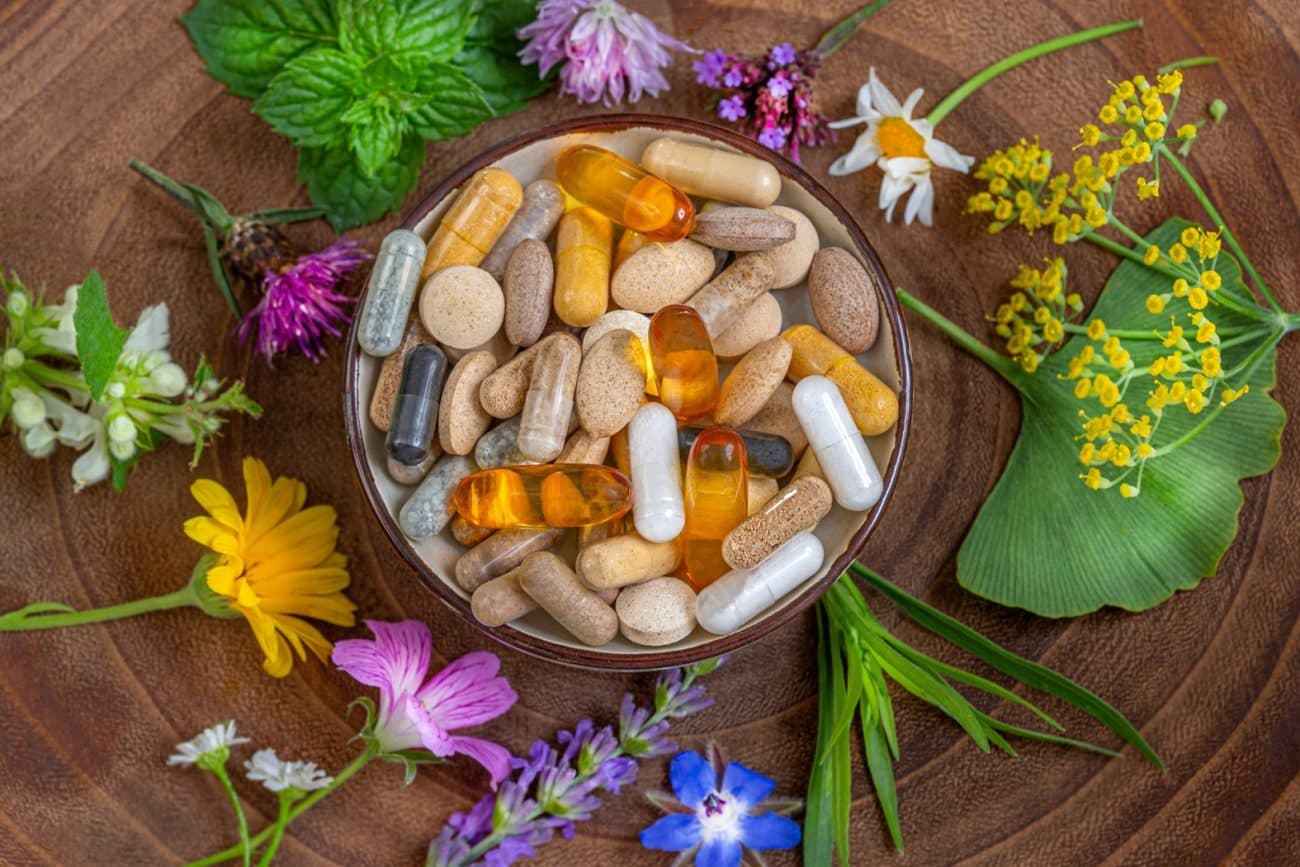
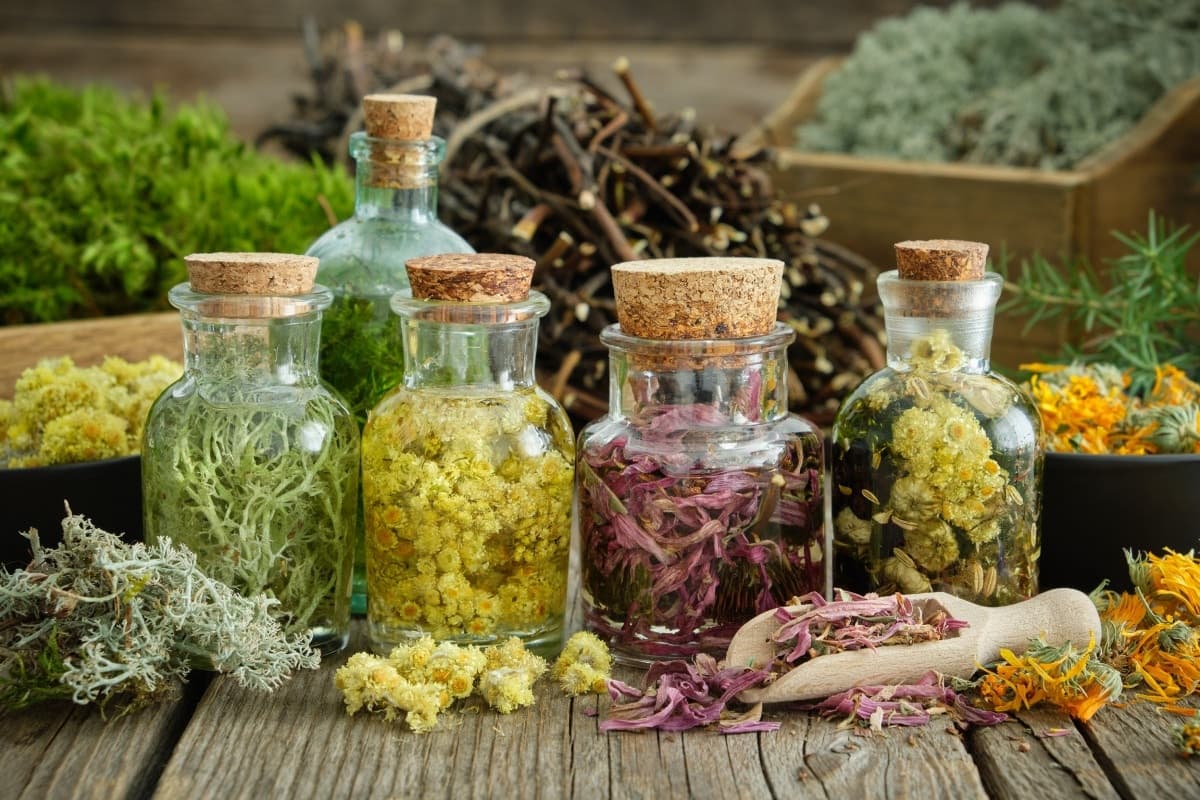
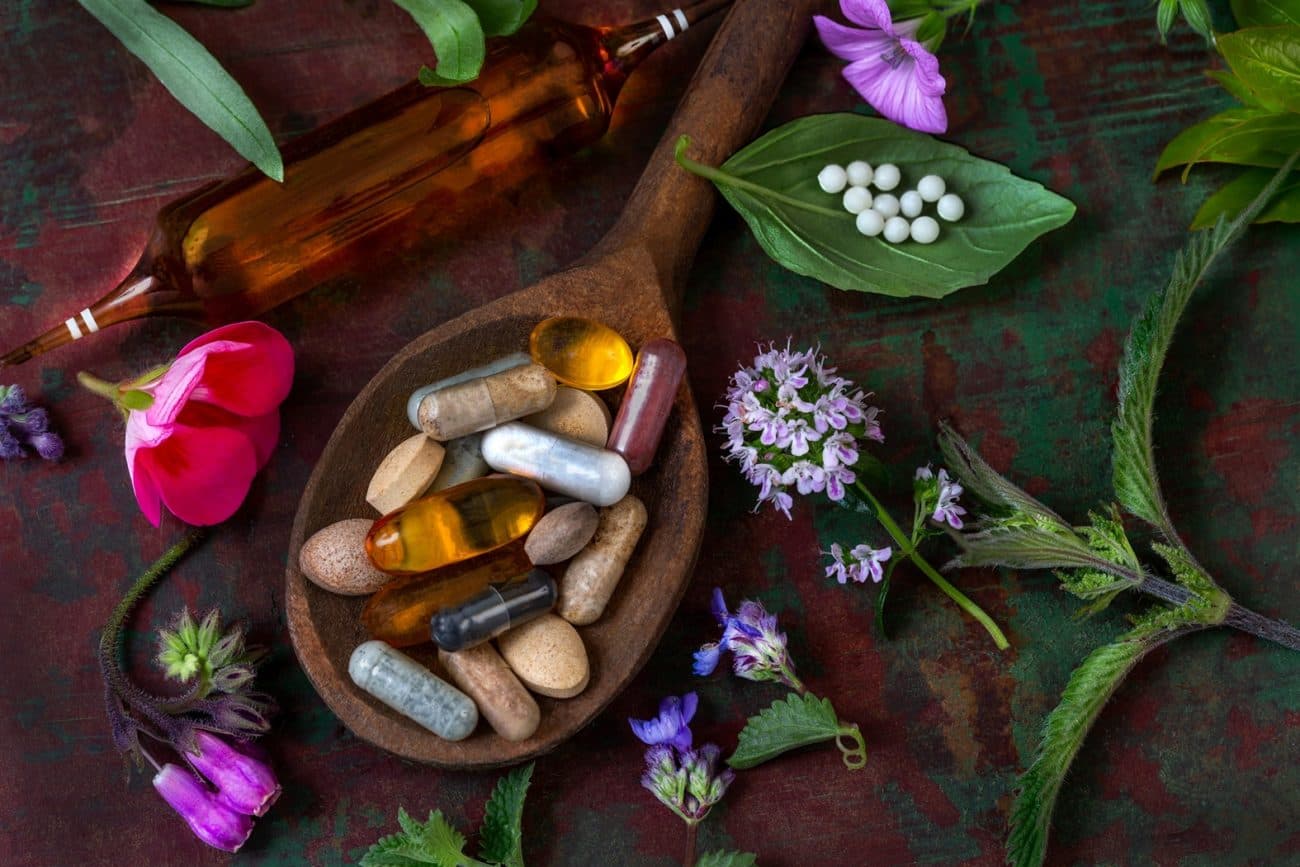
Herbal preparations may be taken orally as teas, capsules, tablets, powders, or liquid extracts. Some are applied directly to the skin as creams, oils, or ointments.
Examples of commonly used medicinal herbs include ginger, turmeric, peppermint, chamomile, garlic, ginseng, valerian, and milk thistle. Each has different traditional uses and may have different levels of scientific evidence supporting those uses.
What are Herbal Medicine used for?
Digestive Problems
Herbal medicine has traditionally been used to support digestive health. Some herbs may help with symptoms such as nausea, bloating, indigestion, or abdominal discomfort. Ginger is one of the best-known examples and has been studied for its potential role in reducing certain types of nausea. Peppermint, particularly peppermint oil preparations, has also been investigated for digestive symptoms associated with conditions such as irritable bowel syndrome.
However, persistent abdominal pain, unexplained weight loss, blood in the stool, or other concerning digestive symptoms require medical evaluation rather than self-treatment with herbs.
Stress and Relaxation
Certain herbs are traditionally used to promote relaxation and help people manage everyday stress. Chamomile, for example, is commonly consumed as a tea and is associated with relaxation. Other herbal preparations, including lavender and valerian, have also been investigated for their potential calming effects.
Herbal medicine may be considered a complementary approach for mild stress, but persistent anxiety or significant emotional distress requires appropriate professional support.
Sleep Problems
Some herbal products are marketed as natural sleep aids. Valerian, chamomile, and lavender are among the herbs commonly associated with relaxation and sleep support. Research into these products has produced varying results. Some people may find particular preparations helpful, while others may experience little benefit.
People experiencing chronic insomnia should seek medical advice because sleep difficulties can be related to conditions such as anxiety, depression, sleep apnea, medication effects, or other medical problems.
Headaches and Migraine
Certain herbal products have been investigated for their potential role in headache and migraine management. Some preparations may influence inflammation or other biological pathways involved in pain. However, evidence differs significantly between herbal products, and supplements marketed for headaches are not necessarily supported by strong clinical evidence.
Anyone experiencing frequent, severe, or newly developing headaches should receive appropriate medical assessment to identify possible underlying causes.
Inflammation and Joint Discomfort
Some medicinal plants contain compounds with anti-inflammatory properties. Turmeric, particularly its active compound curcumin, has received considerable scientific attention for its potential effects on inflammation and joint discomfort. Some studies suggest that certain curcumin preparations may provide modest symptom relief for people with osteoarthritis. However, formulations vary significantly in how much active compound is absorbed by the body. Herbal supplements should therefore not be considered interchangeable.
People with persistent joint pain should receive a proper diagnosis and discuss herbal products with their healthcare provider.
Immune System Support
A variety of herbs are traditionally promoted for supporting immune health. Echinacea, garlic, elderberry, and other botanical products are commonly marketed for this purpose. Scientific evidence varies depending on the herb, preparation, and health outcome being considered. Herbal medicine should not be regarded as a replacement for vaccination, appropriate infection prevention, or treatment prescribed by a healthcare professional.
If someone develops a significant infection or persistent symptoms, medical evaluation is important.
Menstrual and Women's Health Symptoms
Some herbal preparations have traditionally been used for menstrual discomfort and other women's health concerns. For example, certain herbs are marketed for menstrual cramps, premenstrual symptoms, or menopausal complaints. However, evidence varies considerably, and some herbs can affect hormone-sensitive conditions or interact with medications.
Women who are pregnant, trying to become pregnant, or breastfeeding should be particularly cautious and consult a healthcare professional before using herbal products.
Menopausal Symptoms
Herbal medicine is sometimes used to manage symptoms associated with menopause, including hot flashes, sleep difficulties, and mood changes. Products containing compounds derived from plants, including certain phytoestrogens, have been studied for these purposes. However, results are inconsistent and the safety of particular products depends on their ingredients and the individual's medical history.
Anyone considering herbal treatment for menopause should discuss options with a qualified healthcare professional, particularly if they have a history of hormone-sensitive conditions.
Skin Conditions
Some herbs are used topically in creams, oils, or ointments for skin-related concerns. Botanical ingredients may have soothing, moisturizing, antioxidant, or anti-inflammatory properties. Certain plant-derived preparations have been studied for minor skin irritation or wound-related applications.
However, applying herbal products directly to damaged skin can sometimes cause irritation or allergic reactions. Products should be used according to professional guidance, particularly on open wounds or severe skin conditions.
Respiratory Symptoms
Certain herbs have traditionally been used for coughs, sore throats, congestion, and other respiratory symptoms. Honey-based herbal preparations, ginger, peppermint, and other botanical ingredients are commonly included in products marketed for respiratory comfort. While some may help relieve mild symptoms, herbal remedies do not replace medical treatment for conditions such as pneumonia, asthma attacks, severe respiratory infections, or other serious illnesses.
Difficulty breathing, chest pain, persistent high fever, or worsening respiratory symptoms require prompt medical assessment.
Liver and Digestive Wellness
Milk thistle is a well-known herbal product that has traditionally been associated with liver health. Its active compound, silymarin, has been studied for various liver-related conditions. Despite its popularity, evidence regarding its effectiveness for treating liver disease remains mixed. People with liver problems should not use herbal products as a substitute for diagnosis and treatment by a medical professional.
The liver is particularly important when considering herbal supplements because some substances can themselves cause liver injury.
General Wellness
Some people use herbal medicine not to treat a specific disease but as part of a broader wellness routine. Herbal teas and certain plant-based products may be incorporated into daily routines for relaxation, digestion, or general dietary support. However, taking more supplements does not necessarily mean better health.
A balanced diet, physical activity, adequate sleep, preventive healthcare, and appropriate medical screening remain the foundations of good health.
Can Herbal Medicine Replace Conventional Treatment?
In most cases, herbal medicine should be considered a complementary approach rather than a replacement for necessary medical treatment. Some herbs may provide useful symptom relief, but many serious conditions require diagnostic testing, prescription medication, surgery, or other conventional interventions. Replacing effective treatment with an unproven herbal product can allow a disease to progress and may make future treatment more difficult. The safest approach is to discuss herbal medicine with a qualified healthcare professional and determine whether it can be incorporated into an existing treatment plan.
Are Herbal Medicines Safe?
Herbal medicines can produce side effects and drug interactions. Natural origin does not automatically mean that a product is harmless. For example, some herbs can affect blood clotting, blood pressure, blood sugar, or the way prescription medicines are metabolized. St. John's wort is a particularly important example because it can interact with numerous medications.
Product quality is another consideration. The concentration of active ingredients can vary, and some products may be contaminated or inaccurately labeled. Patients should inform their doctor about all herbal supplements they use, particularly before surgery or when starting a new prescription medication.
Conclusion
Herbal medicine can be used for a variety of purposes, including supporting digestive health, relaxation, sleep, certain types of pain, inflammatory symptoms, menstrual and menopausal symptoms, mild respiratory complaints, and general wellness. Some herbal products have promising or established evidence for particular uses, while others have limited scientific support. The effectiveness and safety of herbal medicine depend on the specific plant, preparation, dosage, product quality, and individual health circumstances. Herbal remedies can also interact with medications and may be unsuitable for certain people.
Read More