


Eye color is one of the most defining features of a person’s appearance. While most people are born with a natural eye color determined by genetics, advances in medical technology have made it possible to permanently change eye color through specialized procedures.
Understanding Natural Eye Color
Before diving into the procedures, it’s important to understand how natural eye color is formed. Eye color is primarily determined by the amount and distribution of melanin in the iris—the colored part of the eye. People with higher melanin levels typically have brown eyes, while those with lower levels may have blue, green, or gray eyes.
Contrary to popular belief, blue eyes do not contain blue pigment. Instead, they result from the scattering of light in the iris, similar to the way the sky appears blue. This biological fact plays a crucial role in how certain eye color change procedures work, particularly laser-based treatments that reduce melanin.

Types of Permanent Eye Color Change Procedures
There are currently two main medical approaches to permanently changing eye color: laser depigmentation and iris implant surgery. Each method works differently and comes with its own benefits and risks.
Laser Eye Color Change (Laser Depigmentation)
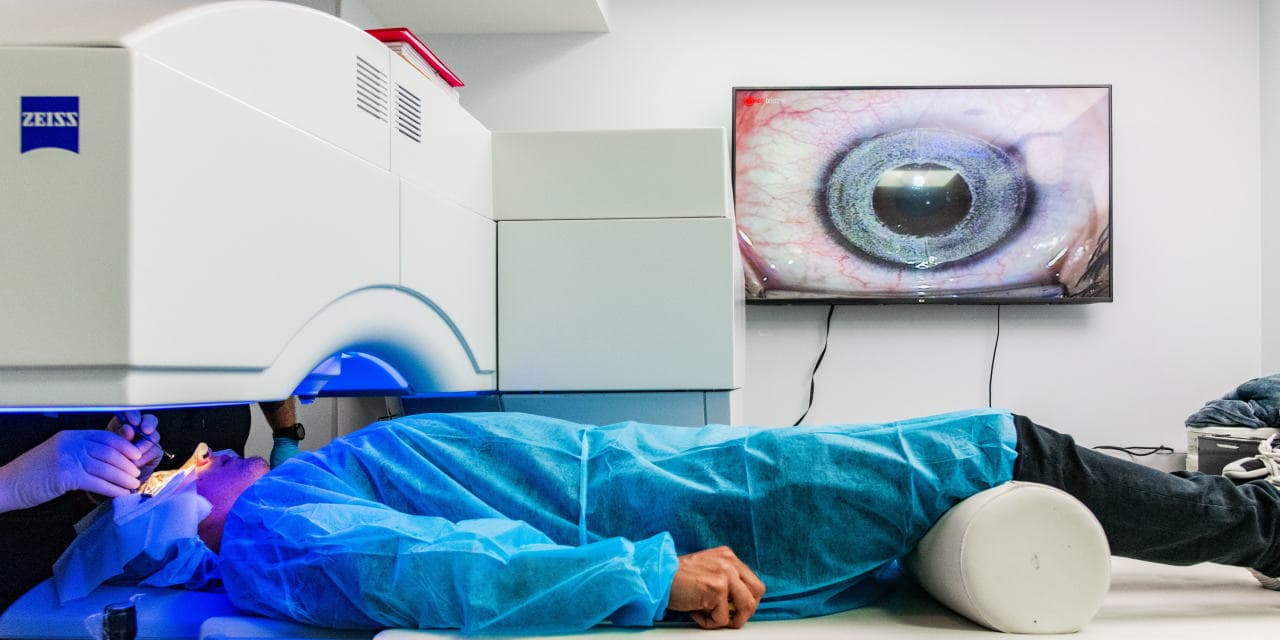
Laser depigmentation is a non-invasive or minimally invasive procedure designed to lighten dark-colored eyes, typically turning brown eyes into blue or gray. The procedure uses a specialized laser to remove melanin from the front layer of the iris.
During the treatment, low-energy laser pulses target and break down melanin cells. Over time, the body naturally removes these pigments, gradually revealing a lighter eye color. The process is usually performed in multiple sessions and results become visible over several weeks.
This method is irreversible and only works for dark-to-light transitions. It cannot make light eyes darker or significantly alter the final shade beyond a limited range.
Iris Implant Surgery
Iris implant surgery involves placing a thin, colored artificial iris inside the eye, in front of the natural iris. Originally developed to treat medical conditions such as iris defects or trauma, this procedure is now sometimes used for cosmetic purposes.
The implant is inserted through a small incision in the cornea and positioned carefully within the eye. This method allows for a wider range of color choices compared to laser treatments, including dramatic changes like blue to green or brown to gray.
However, iris implants are considered more invasive and carry higher risks. Many ophthalmologists and regulatory bodies have raised concerns about their safety when used for purely cosmetic reasons.
Safety and Risks
While the idea of permanently changing eye color may sound appealing, it is essential to understand the potential risks involved.
Laser depigmentation is generally considered less invasive, but it is still relatively new and lacks long-term data. Possible side effects include light sensitivity, inflammation, and uneven color results.
Iris implant surgery carries more serious risks, including:
Increased intraocular pressure (which can lead to glaucoma)
Corneal damage
Infection
Vision impairment or even vision loss in extreme cases
Because of these risks, many countries have strict regulations regarding cosmetic eye color procedures. Patients are strongly advised to consult experienced and certified ophthalmologists before making any decisions.
Who Is a Suitable Candidate?
Not everyone is an ideal candidate for permanent eye color change. Suitable candidates typically:
Have healthy eyes with no underlying conditions
Have realistic expectations about the results
Are fully informed about the risks involved
Are over the legal age for elective procedures
Individuals with eye diseases such as glaucoma, uveitis, or corneal disorders are generally not recommended for these procedures.

Recovery and Aftercare
Recovery varies depending on the procedure. Laser treatments usually have minimal downtime, with patients resuming normal activities within a few days. However, follow-up appointments are necessary to monitor progress.
Iris implant surgery requires a longer recovery period and careful post-operative care. Patients may need to use prescribed eye drops, avoid strenuous activities, and attend multiple check-ups to ensure proper healing.
Conclusion
Permanent eye color change is a fascinating advancement in modern medicine, offering individuals the opportunity to alter one of their most defining features. Whether through laser depigmentation or iris implant surgery, these procedures rely on modifying or masking the natural pigmentation of the iris. Consulting with a qualified ophthalmologist is the most important step in determining whether permanent eye color change is right for you.
Read More