

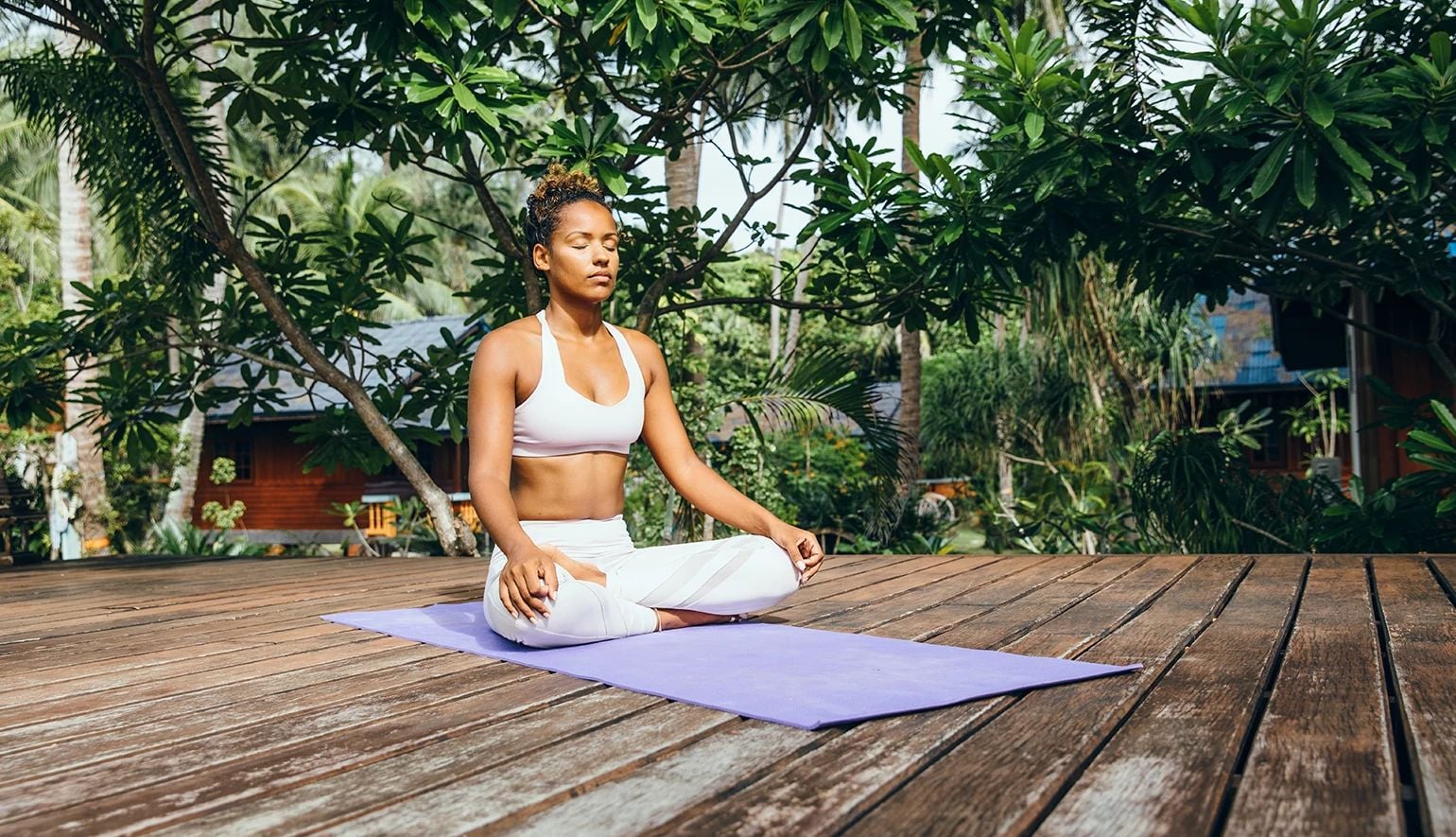
In today’s fast-paced world, stress, anxiety, and mental fatigue have become increasingly common. Meditation offers a simple yet powerful way to restore balance, improve mental clarity, and enhance overall well-being. While many people are aware of its benefits, a common question remains: how exactly can I meditate?
This guide provides a clear, step-by-step explanation of meditation, making it accessible for beginners—especially those exploring wellness as part of a medical tourism journey.
What Is Meditation?
Meditation is a practice that involves focusing the mind to achieve a state of calm, awareness, and emotional balance. It has been practiced for thousands of years across various cultures and traditions, but modern approaches make it easy for anyone to begin.
At its core, meditation is not about “emptying your mind,” but rather about observing your thoughts without judgment and gently bringing your focus back to the present moment.
Why Meditation Matters for Health and Recovery
Meditation is more than a relaxation technique—it has proven physical and mental health benefits, including:
Reducing stress and anxiety
Lowering blood pressure
Improving sleep quality
Enhancing focus and concentration
Supporting emotional well-being
Step-by-Step: How to Meditate
Starting meditation doesn’t require special equipment or advanced knowledge. Follow these simple steps:
Find a Quiet Space: Choose a calm and quiet environment where you won’t be easily distracted. This could be a room, a garden, or even a peaceful corner in your hotel.
Get Comfortable: Sit in a comfortable position. You can sit on a chair, cushion, or even lie down if needed. Keep your back straight but relaxed.
Set a Time Limit: If you’re a beginner, start with 5 to 10 minutes. As you become more comfortable, you can gradually increase the duration.
Focus on Your Breath: Close your eyes and bring your attention to your breathing. Notice the sensation of air entering your nose, the rise and fall of your chest & the rhythm of each inhale and exhale.
Acknowledge Your Thoughts: Your mind will wander—and that’s completely normal. When it happens notice the thought without judgment & gently bring your focus back to your breath.
Stay Consistent: Consistency is key. Try to meditate daily, even if only for a few minutes.
Different Types of Meditation You Can Try
There is no one-size-fits-all approach. Here are some popular techniques:
Mindfulness Meditation: Focuses on being fully present in the moment. This is the most beginner-friendly method.
Guided Meditation: Involves listening to a teacher or audio guide who leads you through the process. Ideal for beginners who need structure.
Body Scan Meditation: You focus on different parts of your body, releasing tension gradually.
Loving-Kindness Meditation: This practice involves directing positive thoughts and compassion toward yourself and others.
Breathing Meditation: A simple technique where attention is placed entirely on the breath.
Common Challenges and How to Overcome Them
I Can’t Stop Thinking: This is the most common concern. Meditation is not about stopping thoughts—it’s about noticing them and returning your focus.
I Don’t Have Time: Even 5 minutes a day can make a difference. You can meditate in the morning, before sleep, or even during a break.
I’m Not Doing It Right: There is no perfect way to meditate. If you’re taking time to be present, you’re already doing it correctly.
Tips to Make Meditation Easier
Start small and build gradually
Use guided meditation apps or videos
Meditate at the same time each day
Avoid distractions like phones or loud environments
Be patient with yourself
Creating a Simple Daily Meditation Routine
To make meditation a habit, try this simple routine:
Morning (5–10 minutes): Start your day with mindful breathing
Afternoon (optional): Take a short break to reset your mind
Evening (5–10 minutes): Relax your body before sleep
Consistency matters more than duration. Over time, meditation will feel more natural and rewarding.
Conclusion
Meditation is a simple yet transformative practice that anyone can learn. By focusing on your breath, observing your thoughts, and committing to a few minutes each day, you can experience significant improvements in mental clarity, emotional balance, and overall well-being.
Read More