

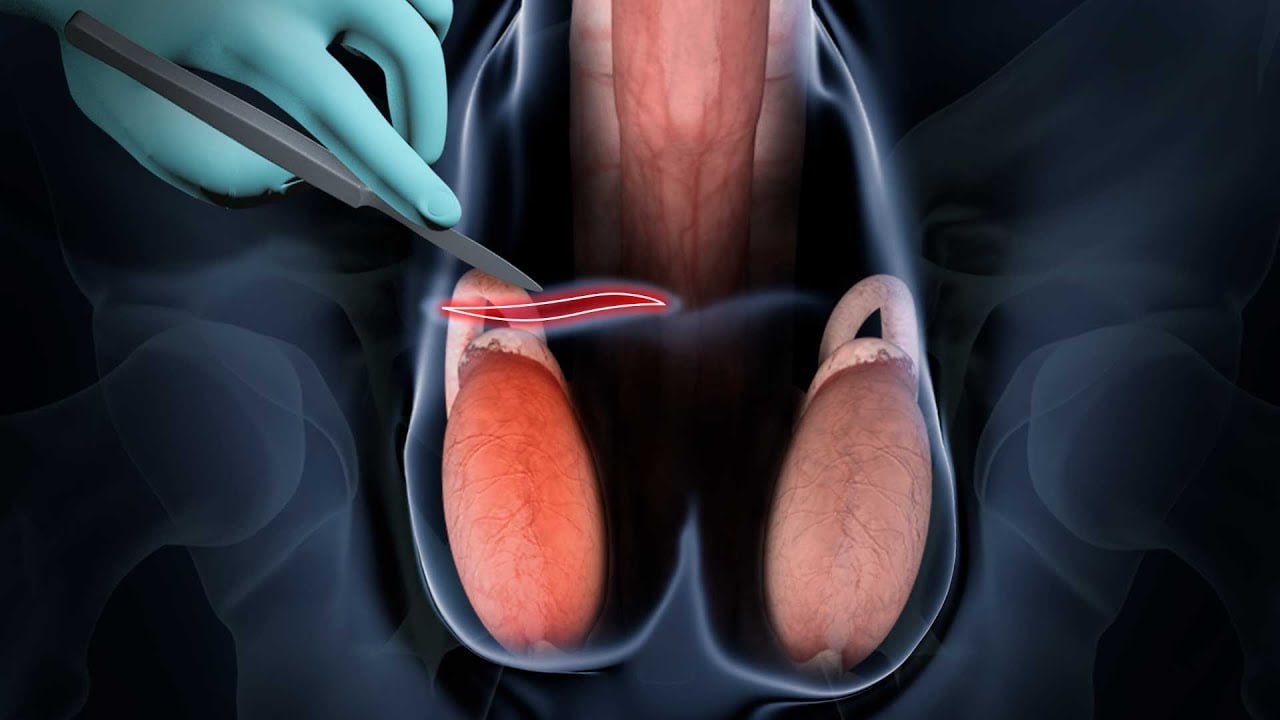
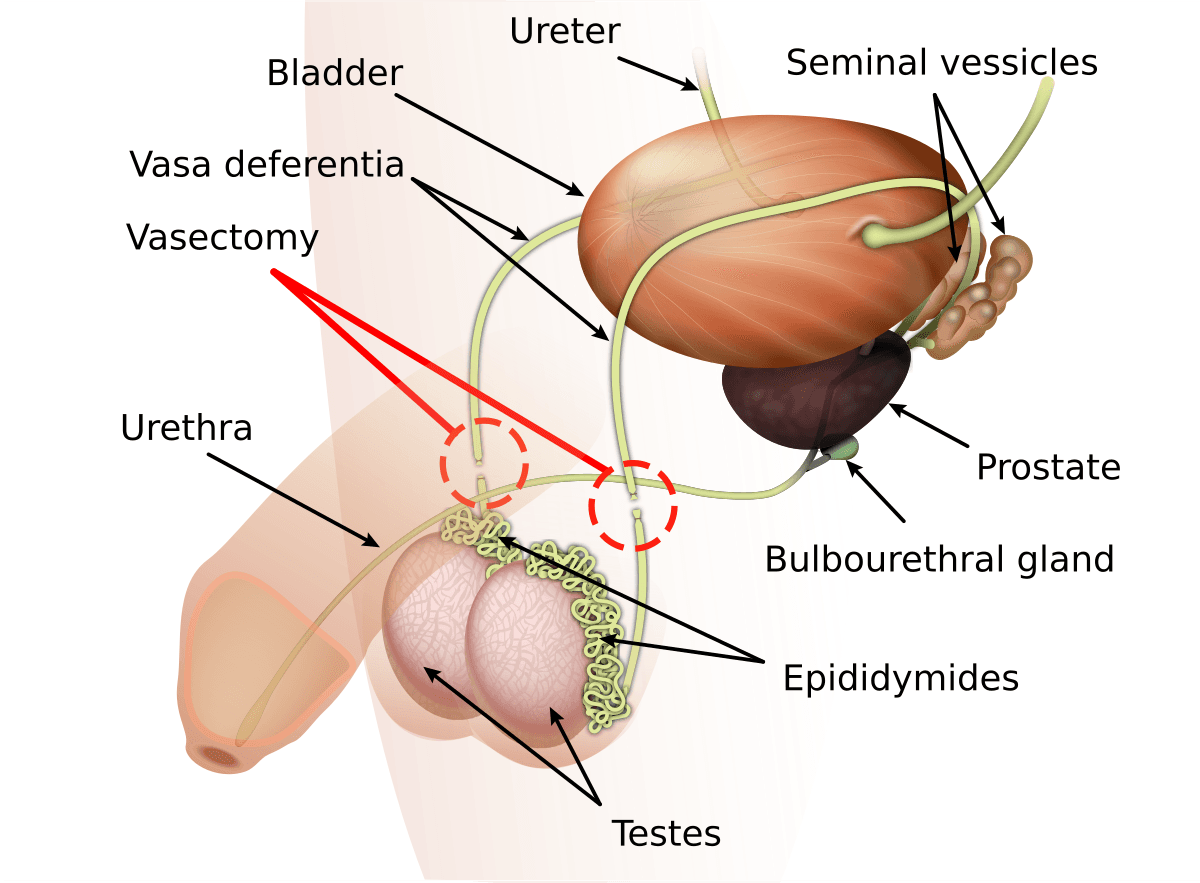
A vasectomy is a common surgical procedure designed to provide permanent contraception for men. It involves blocking or sealing the vas deferens, the tubes that carry sperm from the testicles into the semen. Although vasectomy is generally considered safe and effective, proper preparation is essential for a smooth procedure and comfortable recovery. In this guide, we explain how to prepare for your vasectomy, what to expect on the day of the procedure, and how to support your recovery afterward.
Understand the Vasectomy Procedure
Before scheduling your vasectomy, it is important to understand how the procedure works and what it means for your future reproductive health.
During a vasectomy, a surgeon interrupts the vas deferens on both sides to prevent sperm from entering the semen. The procedure is usually performed under local anesthesia and typically takes around 15 to 30 minutes, although the exact duration depends on the technique and individual circumstances.
Two common techniques are conventional vasectomy, which involves small incisions in the scrotum, and no-scalpel vasectomy, which uses a small puncture to access the vas deferens. Your doctor can explain which approach is most suitable for you. A vasectomy is intended to be permanent. Although reversal procedures are sometimes possible, they are not guaranteed to restore fertility. Therefore, you should consider your future family plans carefully before making a decision.
It is also important to understand that vasectomy does not immediately prevent pregnancy. Sperm may remain in the reproductive tract for a period after the procedure, so alternative contraception is necessary until your doctor confirms success through a semen analysis.

Schedule a Consultation with Your Doctor
A preoperative consultation is one of the most important steps in preparing for a vasectomy. During this appointment, your doctor will assess your health, discuss your expectations, and determine whether the procedure is appropriate for you.
Be prepared to discuss your medical history, including previous surgeries, bleeding disorders, allergies, chronic conditions, and any history of scrotal pain or injury. You should also tell your doctor if you have experienced infections or other problems affecting your reproductive system. Your surgeon may examine the scrotum to assess the anatomy and identify any factors that could influence the procedure.
This consultation is also an opportunity to ask questions about anesthesia, potential complications, recovery time, and follow-up appointments. If you are traveling abroad for treatment, discuss the availability of postoperative care and how you can contact your medical team after returning home.
Review Your Medications and Supplements
Before your vasectomy, provide your doctor with a complete list of medications, vitamins, herbal products, and supplements you take.
Certain medications, including anticoagulants and antiplatelet drugs, may increase bleeding risk. Examples include warfarin, apixaban, rivaroxaban, and aspirin. Some supplements may also affect bleeding or interact with medications used during treatment.
You should also disclose any allergies, particularly reactions to local anesthetics, antibiotics, antiseptics, or latex.If you have diabetes or another chronic condition, ask whether you need any additional preparation or monitoring before the procedure.
Follow Preoperative Hygiene Instructions
Your clinic may provide specific instructions about bathing, cleaning the genital area, and preparing the surgical site.
In general, taking a shower before the appointment and wearing clean underwear and clothing are sensible measures. Your medical team may ask you to trim the scrotal hair if necessary, but you should not shave the area unless specifically instructed. Shaving can cause small cuts or skin irritation that may increase the risk of infection.
If you notice a rash, skin irritation, an open wound, or signs of infection around the scrotum before your appointment, inform your doctor. The procedure may need to be reassessed or postponed.
Ask Whether Fasting Is Necessary
Most vasectomies are performed under local anesthesia, and fasting may not be required when local anesthesia is used alone.However, requirements can differ if your procedure involves sedation or general anesthesia. In those circumstances, your healthcare team may instruct you to avoid food and certain liquids for a specified period before treatment.
If you take regular medication in the morning, confirm whether you should take it with water before arriving. This is especially important if you have diabetes or use medication that affects blood clotting.
Prepare Comfortable Clothing and Transportation
Practical arrangements can make the day of your vasectomy easier and help you feel more comfortable afterward. Consider preparing the following items:
Supportive underwear: Snug briefs or an athletic supporter can help support the scrotum and reduce discomfort after the procedure.
Loose clothing: Comfortable trousers and underwear can minimize pressure and friction around the surgical area.
Medical documents: Bring your identification, relevant medical records, medication list, allergy information, and any requested test results.
Transportation arrangements: Ask whether you can drive yourself home. If sedation is planned, you will generally need someone to take you home and may need supervision afterward.
Even when only local anesthesia is used, arranging transportation can be helpful if you feel uncomfortable after treatment. You should also plan to rest for the remainder of the day rather than scheduling work, sightseeing, or strenuous activities immediately after your appointment.
Plan Your Recovery in Advance
Preparing your home or accommodation before the procedure can make recovery more convenient. Arrange a comfortable place to rest, keep essential items within easy reach, and make sure you have access to ice packs or cold compresses if recommended by your doctor. Wrap cold packs in a cloth rather than placing ice directly against the skin.
Your surgeon may recommend supportive underwear, intermittent cold application, and appropriate pain relief to manage swelling and discomfort. Most men can return to light daily activities within a day or two, depending on how they feel and the nature of their work. However, strenuous exercise, heavy lifting, and activities that place pressure on the scrotum should be avoided for the period specified by the surgeon, often around one week.
You should also follow your doctor's advice regarding when to resume sexual activity. Although sexual activity may often resume after approximately one week, healing and comfort vary between individuals.
Understand the Risks and Warning Signs
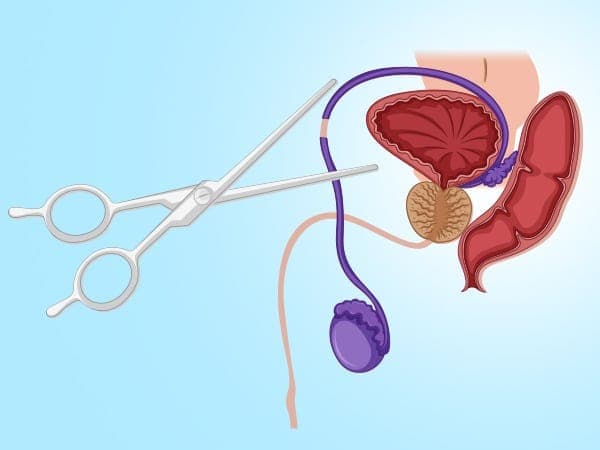
Vasectomy is generally safe, but like any surgical procedure, it carries potential risks. These include bleeding, infection, swelling, bruising, and discomfort. Some patients develop a sperm granuloma, which is a small lump caused by sperm leaking into surrounding tissue. Persistent scrotal pain can occur in a small proportion of patients.
Knowing which symptoms require medical attention is an important part of preparation. Contact your healthcare provider if you experience increasing pain, worsening swelling, persistent bleeding, or signs of infection such as spreading redness or discharge. Seek urgent medical assessment if you develop severe or rapidly increasing scrotal swelling, uncontrolled bleeding, or fever accompanied by worsening symptoms.
Conclusion
Preparing for a vasectomy involves more than simply scheduling a surgical appointment. Understanding the procedure, reviewing medications with your doctor, following hygiene instructions, arranging transportation, and planning time for recovery can help make the experience more comfortable and predictable. With appropriate preparation and adherence to medical advice, most men can undergo a vasectomy as an outpatient procedure and return to their usual activities relatively quickly.
Read More