


Penis enlargement surgery is a topic that attracts significant interest among men who are concerned about penile size, appearance, or sexual confidence. A variety of surgical and non-surgical procedures are marketed as ways to increase penile length or girth. However, deciding whether penis enlargement surgery is “worth it” requires looking beyond advertised results and considering the potential benefits, limitations, complications, costs, and individual expectations.
What Is Penis Enlargement Surgery?
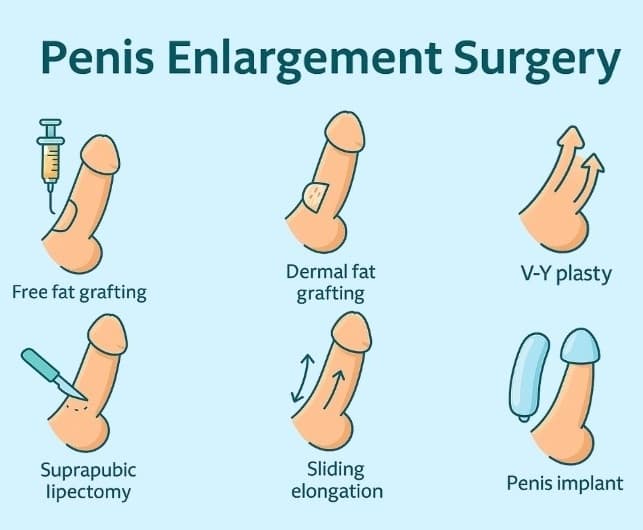
Penis enlargement surgery refers to procedures designed to alter the apparent or measured size of the penis. Most procedures aim to increase either penile length, penile girth, or both. The two main surgical approaches include:
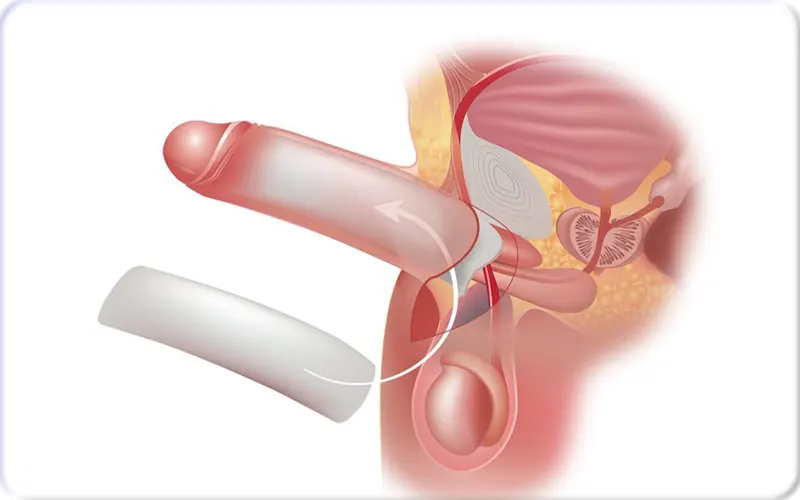
Lengthening procedures, which generally involve releasing part of the suspensory ligament that attaches the penis to the pubic bone.
Girth enhancement procedures, which may involve transferring fat or using other materials to increase the circumference of the penis.
Different clinics may use different techniques, and the results can vary considerably. Some procedures advertised as “penis enlargement” may also be intended to improve the appearance of a buried or partially concealed penis rather than actually increasing the anatomical length of the organ.
Why Do Men Consider Penis Enlargement Surgery?
Men seek penile enlargement for different reasons. Some have genuine concerns about penile size, while others may experience anxiety or dissatisfaction despite having a penis within the typical adult range. Common motivations include:
Concerns about Penile Appearance: Some men feel uncomfortable with the appearance of their penis, particularly when flaccid. This can affect body image and confidence.
Desire for Greater Sexual Confidence: A man may believe that increasing penile size will improve his confidence during sexual activity or relationships. However, satisfaction during sex depends on numerous physical and psychological factors, and penile size is only one of them.
Micropenis or Congenital Conditions: In certain patients, a medical condition such as micropenis or another anatomical abnormality may justify surgical evaluation. These cases should be assessed by an experienced urologist rather than a cosmetic clinic alone.
Buried Penis: A penis may appear shorter when part of it is concealed by surrounding tissue, obesity, scarring, or other anatomical factors. In selected cases, treating the underlying condition can improve visible length without simply performing cosmetic enlargement surgery.
How Much Enlargement Can Surgery Provide?
One of the most important questions patients ask is how much additional length or girth they can expect. The answer depends on the procedure, the patient's anatomy, surgical technique, and healing process. Importantly, results are not guaranteed, and advertised measurements should be viewed cautiously.
Lengthening procedures may make more of the penis externally visible, particularly when part of the shaft is concealed. However, cutting the suspensory ligament does not necessarily increase the actual erectile length of the penis.
Girth procedures can also produce an increase in circumference, but the result may change as swelling resolves and the injected or transferred material is absorbed.
Patients should therefore have realistic expectations and discuss anticipated outcomes with a qualified urologist before surgery.
Potential Benefits of Penis Enlargement Surgery
For appropriately selected patients, surgery may provide certain benefits.
Increased Visible Length: A lengthening procedure may increase the portion of the penis that is externally visible, particularly in patients with a concealed or partially buried penis.
Increased Girth: Certain procedures can increase penile circumference. Depending on the technique, the enhancement may involve fat transfer or another injectable or implanted material.
Improved Body Confidence: Some men report improved satisfaction with their appearance following successful treatment. However, psychological expectations play an important role in determining whether a patient ultimately feels satisfied.
Treatment of Specific Anatomical Problems: In selected patients, reconstructive procedures can address genuine anatomical problems rather than purely cosmetic concerns. In these situations, surgery may have functional as well as aesthetic objectives.
Risks and Possible Complications
The potential risks are one of the most important factors when determining whether penis enlargement surgery is worthwhile. Possible complications include:
Infection
Bleeding or hematoma
Scarring
Pain
Changes in sensation
Erectile or sexual difficulties
Unsatisfactory cosmetic results
Asymmetry
Irregularities or lumps after fat transfer
Absorption of transferred fat
Need for revision surgery
Changes in the appearance or angle of the erect penis
Lengthening surgery involving the suspensory ligament can also affect the angle or stability of an erection. Patients should discuss these risks in detail with their surgeon.
What about Non-Surgical Enlargement Methods?
Patients considering surgery are often exposed to numerous alternatives, including pills, creams, pumps, extenders, exercises, and injectable products. These approaches should not all be considered equivalent.
Some methods have limited evidence, while others can cause injury when used incorrectly. Penile traction devices, for example, have been investigated for their potential to produce modest length changes when used consistently over an extended period, but results vary. Pills and creams marketed specifically for permanent penis enlargement generally lack convincing evidence that they can safely produce substantial permanent enlargement.
Patients should be particularly cautious about unapproved injectable substances, as complications can include infection, inflammation, tissue damage, deformity, and other serious problems.
Is Penis Enlargement Surgery Worth It?
There is no universal answer. For a man with a specific anatomical condition, realistic expectations, and a thorough assessment by an experienced urologist, surgery may provide meaningful benefits.
For someone seeking a dramatic increase in size despite having typical anatomy, however, the potential benefits may not justify the surgical risks and recovery involved. The decision should therefore be based on medical need, expected outcome, personal expectations, and risk tolerance, rather than advertising claims.
Recovery after Surgery
Recovery depends on the specific procedure performed. Patients may experience swelling, bruising, discomfort, or temporary changes in sensation. The surgeon will provide instructions regarding wound care, physical activity, sexual activity, and follow-up appointments. Patients should follow these instructions carefully to reduce the risk of complications. Sexual activity is generally restricted during the initial healing period, with the exact timeframe determined by the surgeon and procedure. Because recovery can take weeks or longer, patients considering medical tourism should plan their travel schedule accordingly.
Conclusion
So, is penis enlargement surgery worth it? For some carefully selected patients, it may be. However, it is not a procedure that should be approached solely on the basis of marketing promises or expectations of dramatic enlargement. Potential benefits include increased visible length or girth and improved confidence, while potential disadvantages include scarring, infection, asymmetry, and changes in sensation, unsatisfactory results, and the possibility of additional surgery.
Read More