

Infertility is a growing concern affecting millions of couples worldwide. Fortunately, advances in reproductive medicine have made it possible for many individuals to achieve their dream of parenthood. Among the most common assisted reproductive technologies (ART) are Intrauterine Insemination (IUI) and In Vitro Fertilization (IVF). While both methods aim to facilitate pregnancy, they differ significantly in terms of procedure, cost, success rates, and suitability.
What is IUI (Intrauterine Insemination)?
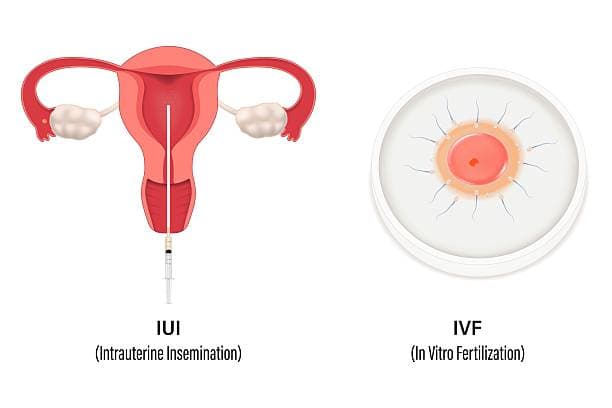
IUI is a relatively simple and minimally invasive fertility treatment. It involves placing specially prepared sperm directly into a woman’s uterus around the time of ovulation to increase the chances of fertilization. How IUI Works:
The woman’s ovulation cycle is monitored, sometimes with fertility medications.
A semen sample is collected and “washed” to concentrate healthy sperm.
The sperm is inserted into the uterus using a thin catheter.
Who is IUI Suitable For?
Couples with unexplained infertility
Mild male factor infertility (low sperm count or motility)
Cervical mucus issues
Single women or same-sex female couples using donor sperm
IUI is often considered the first step in fertility treatment due to its simplicity and lower cost.

What is IVF (In Vitro Fertilization)?
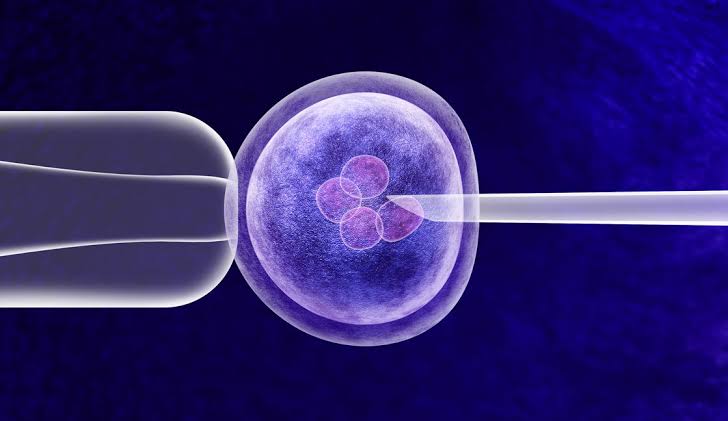
IVF is a more advanced and complex assisted reproductive technique. It involves fertilizing an egg with sperm outside the body in a laboratory, then transferring the resulting embryo into the uterus. How IVF Works:
Ovarian stimulation using hormone injections to produce multiple eggs
Egg retrieval through a minor surgical procedure
Fertilization of eggs with sperm in a lab
Embryo culture and monitoring
Transfer of one or more embryos into the uterus
Who is IVF Suitable For?
Women with blocked or damaged fallopian tubes
Severe male infertility
Endometriosis
Advanced maternal age
Failed IUI attempts
Genetic screening needs (PGT)
IVF offers more control over the fertilization process and higher success rates in many cases.

Key Differences between IUI and IVF
Procedure Complexity
IUI is straightforward and usually completed within a few minutes without anesthesia. It mimics natural conception by placing sperm closer to the egg.
IVF, on the other hand, is a multi-step process requiring hormone injections, egg retrieval, laboratory fertilization, and embryo transfer. It is significantly more complex and medically intensive.
Success Rates
Success rates vary based on age, underlying conditions, and clinic expertise.
IUI success rate: Approximately 10–20% per cycle
IVF success rate: Approximately 40–60% per cycle (higher in younger women)
IVF generally offers higher success rates, especially for complex infertility issues.
Cost Differences
Cost is a major deciding factor, particularly for medical tourism patients.
IUI is significantly more affordable due to its simplicity.
IVF is more expensive due to lab work, medications, and procedures.
However, IVF may be more cost-effective in the long run if fewer cycles are needed to achieve pregnancy.
Time to Pregnancy
IUI may require multiple cycles to succeed, which can extend the timeline.
IVF often provides faster results due to higher success rates per cycle, especially for patients with known fertility challenges.
Invasiveness and Risks
IUI is minimally invasive with very low risk.
IVF involves:
Hormonal side effects
Ovarian Hyperstimulation Syndrome (OHSS)
Minor surgical risks during egg retrieval
Despite these risks, IVF is generally safe when performed by experienced specialists.
Control over Fertilization
IUI relies on natural fertilization inside the body.
IVF allows full control over fertilization in a lab, including advanced techniques such as:
Intracytoplasmic Sperm Injection (ICSI)
Preimplantation Genetic Testing (PGT)
This makes IVF ideal for cases involving genetic concerns or severe infertility.
Suitability Based on Condition
IUI is best for mild infertility issues and as a first-line treatment.
IVF is recommended for:
Severe infertility
Structural reproductive issues
Genetic conditions
Repeated IUI failures
Doctors often recommend trying IUI first before moving to IVF, depending on the patient’s condition.
IUI vs. IVF: Which One Should You Choose?
Choosing between IUI and IVF depends on several factors:
Age of the woman
Cause of infertility
Budget and financial considerations
Time constraints
Previous treatment history
For younger couples with mild infertility, IUI may be a good starting point. However, for those seeking higher success rates or dealing with complex conditions, IVF is often the better choice.
Conclusion
Both IUI and IVF are effective fertility treatments, but they serve different purposes and patient needs. IUI is a simple, cost-effective, and less invasive option suitable for mild infertility cases. IVF, while more complex and expensive, offers higher success rates and advanced capabilities, making it ideal for more challenging situations. Consulting with a fertility specialist is the best way to determine the most appropriate treatment based on individual circumstances.
Read More