

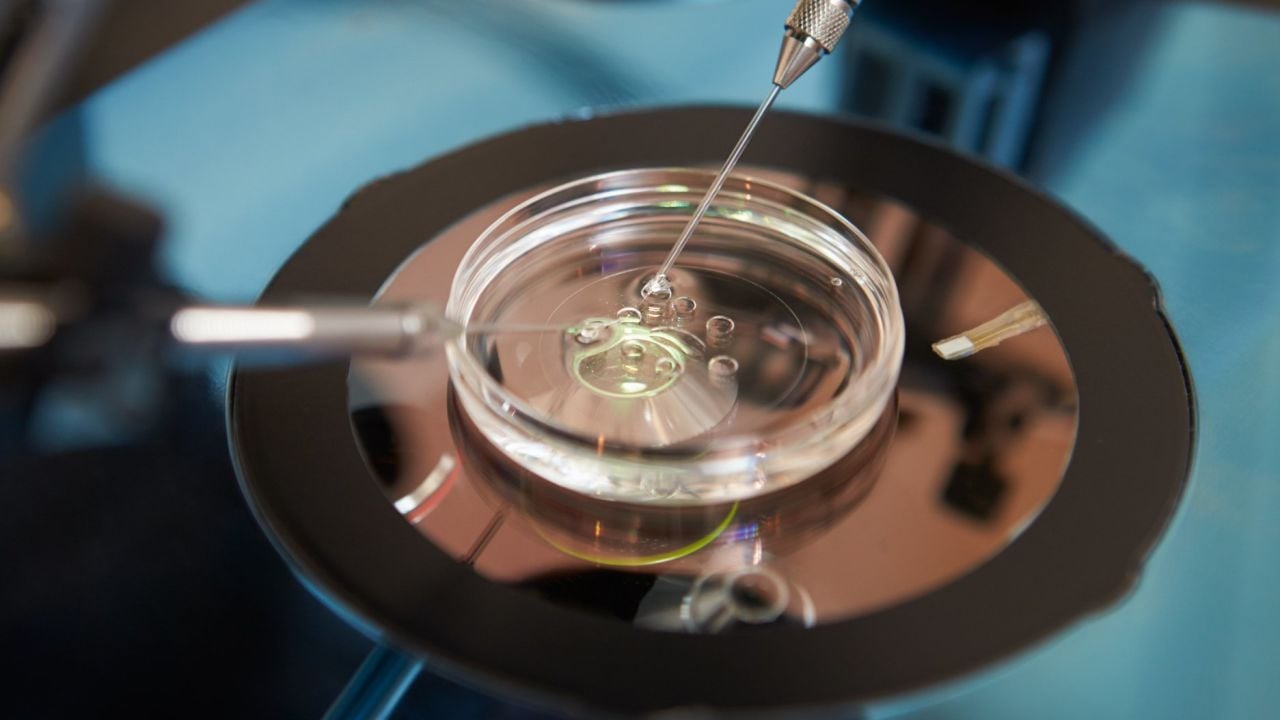
Infertility affects millions of couples worldwide, and advances in reproductive medicine have made parenthood possible through assisted reproductive technologies (ART). Among the most widely used treatments are In Vitro Fertilization (IVF) and Intracytoplasmic Sperm Injection (ICSI). While these two methods are closely related, they differ significantly in technique, indications, costs, success rates, and ideal candidates.
What Is IVF?
In Vitro Fertilization (IVF) is a process in which eggs are retrieved from a woman’s ovaries and fertilized with sperm in a laboratory setting. After fertilization, the resulting embryos are monitored and later transferred into the uterus. The IVF process typically involves several steps:
Ovarian stimulation using hormone medications
Egg retrieval through a minor surgical procedure
Mixing eggs with sperm in a lab dish
Natural fertilization (sperm penetrates the egg on its own)
Embryo culture and transfer
IVF mimics natural fertilization but occurs outside the body, making it suitable for a wide range of fertility issues.
What Is ICSI?
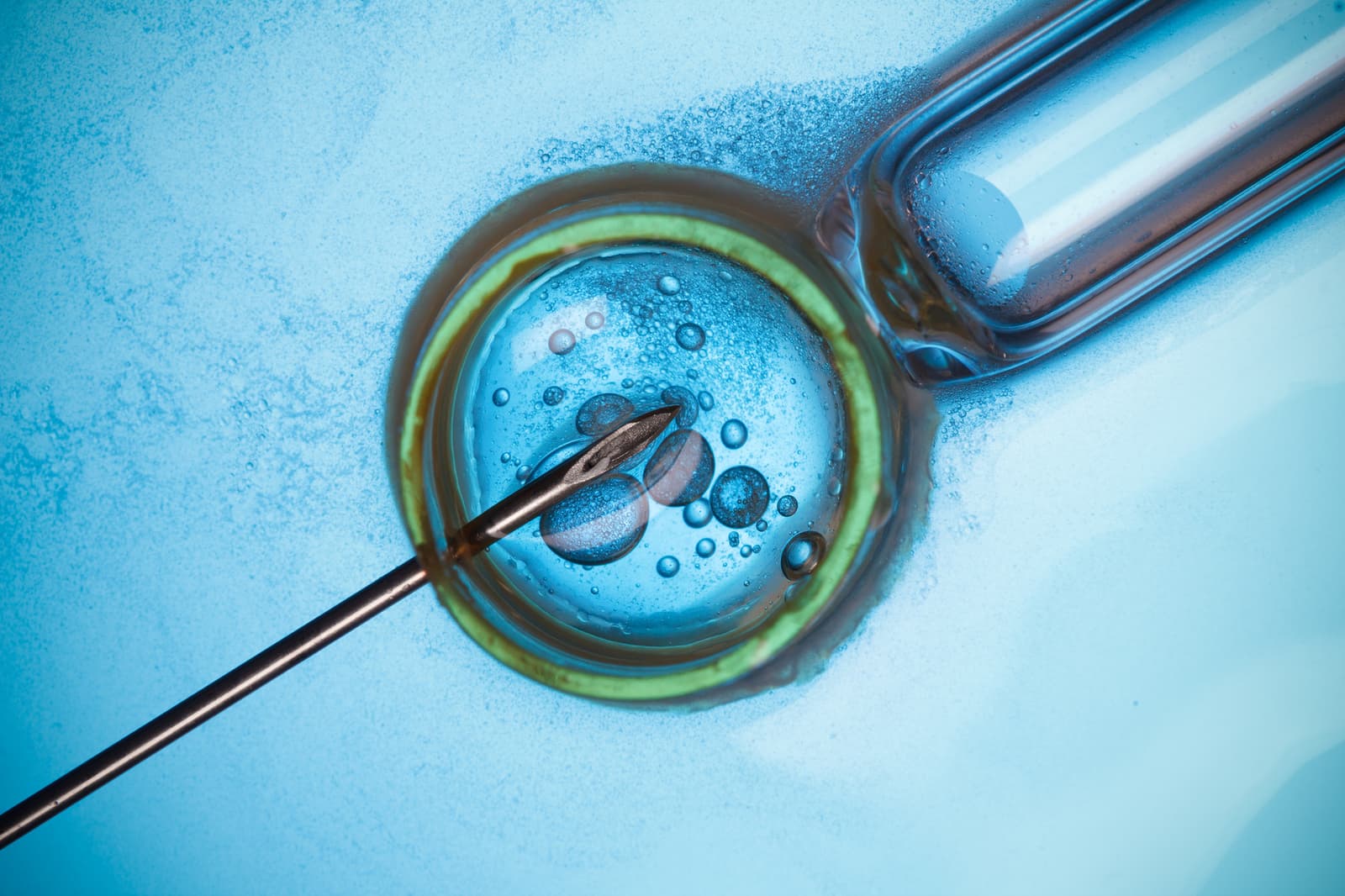
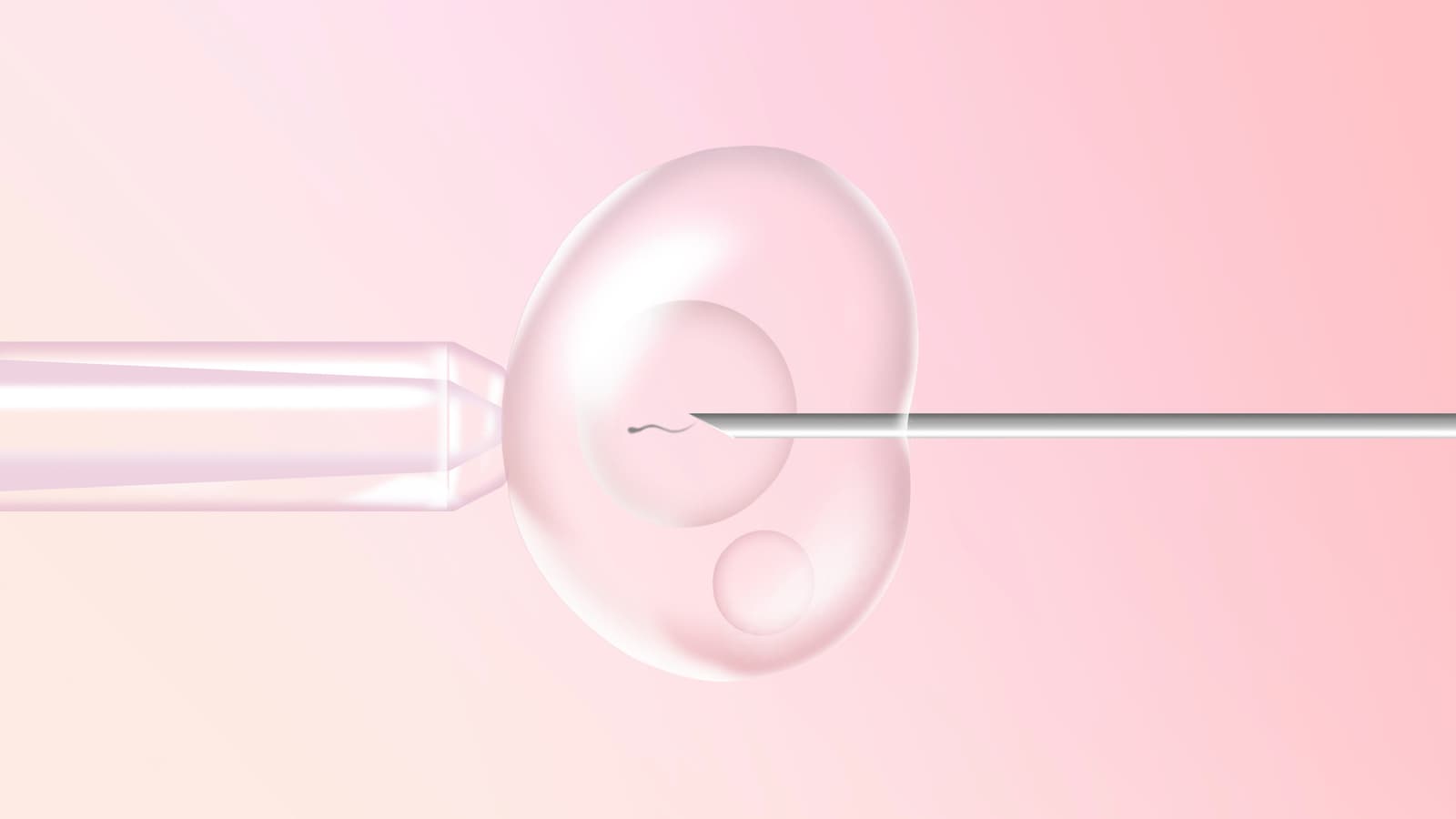
Intracytoplasmic Sperm Injection (ICSI) is a specialized form of IVF. The key difference lies in how fertilization occurs. Instead of allowing sperm to fertilize the egg naturally, a single sperm is directly injected into the egg using a fine needle under a microscope. ICSI follows the same initial steps as IVF (ovarian stimulation and egg retrieval), but fertilization is more controlled and precise. This method was developed primarily to address male infertility factors, such as low sperm count or poor sperm motility.
Key Differences between ICSI and IVF
Fertilization Method
The most fundamental difference is how fertilization happens.
In IVF, thousands of sperm are placed around an egg, and fertilization occurs naturally. The strongest sperm penetrates the egg on its own.
In ICSI, embryologists select a single healthy sperm and inject it directly into the egg. This bypasses the natural selection process.
Indications and Ideal Candidates
IVF is typically recommended for:
Blocked or damaged fallopian tubes
Ovulation disorders
Unexplained infertility
Mild male factor infertility
ICSI is primarily used when there is:
Severe male infertility (low sperm count or poor motility)
Abnormal sperm morphology
Previous IVF fertilization failure
Need for sperm retrieval from testes
In short, IVF is broader in application, while ICSI is more targeted.
Success Rates
Success rates for IVF and ICSI are often similar when used in appropriate cases. However, ICSI may improve fertilization rates in cases of male infertility. It’s important to note that while ICSI increases the likelihood of fertilization, it does not necessarily guarantee higher pregnancy or live birth rates compared to IVF in all patients.
Level of Intervention
IVF is considered less invasive at the fertilization stage because it allows sperm to fertilize the egg naturally.
ICSI is more technologically intensive and requires micromanipulation of the egg. This makes it a more controlled but also more complex procedure.
Risk of Fertilization Failure
In traditional IVF, there is a small risk that fertilization may not occur if sperm cannot penetrate the egg.
ICSI significantly reduces this risk because fertilization is manually achieved.
Cost Differences
ICSI is generally more expensive than IVF due to the advanced equipment, specialized skills, and additional laboratory procedures involved.
Genetic Considerations
One important difference is related to genetic risks. Since ICSI bypasses natural sperm selection, there is a slightly increased concern about passing on genetic abnormalities, particularly those linked to male infertility. In such cases, doctors may recommend genetic screening (PGT – Preimplantation Genetic Testing) alongside ICSI.
Laboratory Expertise Required
ICSI requires highly skilled embryologists and advanced laboratory infrastructure. The success of the procedure depends heavily on the expertise of the medical team.
IVF, while still complex, is less technically demanding during fertilization.
Time and Procedure Flow
Both IVF and ICSI follow similar timelines, typically taking 2–3 weeks per cycle. However, ICSI adds an extra step during fertilization, requiring more time and precision in the lab.
Emotional and Psychological Factors
For many couples, ICSI offers reassurance, especially after failed IVF attempts. Knowing that fertilization is directly assisted can reduce anxiety. On the other hand, some patients prefer IVF because it mimics natural processes more closely.
Which Treatment Is Right for You?
The choice between IVF and ICSI depends on several factors, including:
The cause of infertility
Age of the female partner
Sperm quality
Previous treatment history
Budget and personal preferences
A fertility specialist will conduct tests and recommend the most suitable approach based on your specific condition.
Conclusion
Both IVF and ICSI are powerful assisted reproductive technologies that have helped millions of couples achieve their dream of parenthood. While IVF allows fertilization to occur naturally in a controlled environment, ICSI takes a more direct approach by injecting a single sperm into the egg. The differences between the two lie in their technique, cost, level of intervention, and ideal use cases.
Read More