

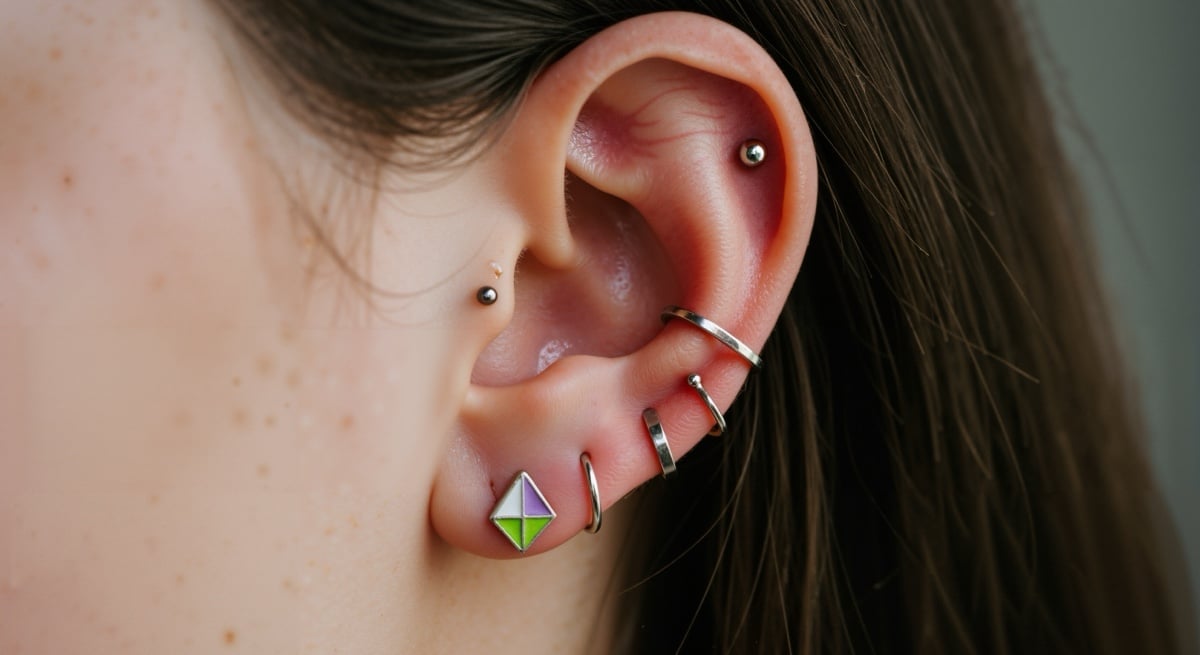
Ear piercing is one of the most popular forms of body modification worldwide. While traditional earlobe piercing remains a classic choice, modern piercing has expanded to include numerous placements throughout the ear. From the delicate helix to the distinctive industrial piercing, each option offers a different appearance and involves different considerations regarding anatomy, healing, jewelry, and aftercare.
For people considering ear piercing, understanding the differences between each type can help them choose an option that suits their personal style and lifestyle. It is also important to remember that a piercing creates an opening through the skin and, in the case of cartilage piercings, through specialized tissue that can take considerably longer to heal. Below are some of the most popular ear piercing types and what you should know about each one.
Lobe Piercing
The lobe piercing is the most traditional and widely recognized type of ear piercing. It is performed through the soft, fleshy lower portion of the ear and is often the first piercing people receive. Because the earlobe contains soft tissue and generally has good blood circulation, lobe piercings tend to heal more easily than cartilage piercings.
A single lobe piercing can provide a simple, classic appearance, while multiple lobe piercings allow people to create customized combinations of studs, hoops, and other jewelry. Double and triple lobe piercings have become particularly popular for creating a layered look.
Healing commonly takes several weeks, although complete healing can vary between individuals. During this period, the piercing should be kept clean and protected from unnecessary pressure or pulling.
High-quality jewelry is also important. Materials such as implant-grade titanium or suitable high-quality gold may be recommended, particularly for people who are sensitive to certain metals.
Although lobe piercing is relatively straightforward, complications such as infection, irritation, allergic reactions, or excessive scarring can still occur.
Helix Piercing
A helix piercing is positioned through the upper outer cartilage of the ear. It is one of the most popular cartilage piercings and offers considerable flexibility in terms of jewelry and placement. A single helix piercing can create a subtle accent, while multiple helix piercings can be arranged vertically along the outer edge of the ear.
Unlike lobe piercings, helix piercings pass through cartilage, meaning that healing can take considerably longer. Several months may be required, and the piercing can remain sensitive during the healing process.
Because cartilage has a different blood supply from the earlobe, it can be more vulnerable to prolonged inflammation and certain complications if the piercing is traumatized or improperly cared for.
Sleeping directly on a new helix piercing can cause pressure and irritation, while headphones, helmets, hair, and clothing can accidentally catch on the jewelry. Keeping these sources of friction to a minimum is therefore important.
A professional piercer should assess the thickness and shape of the ear before selecting the precise location. Appropriate jewelry size and material can also contribute to comfortable healing.
Persistent swelling, increasing pain, spreading redness, warmth, or discharge should be evaluated rather than dismissed as normal healing.
Tragus Piercing
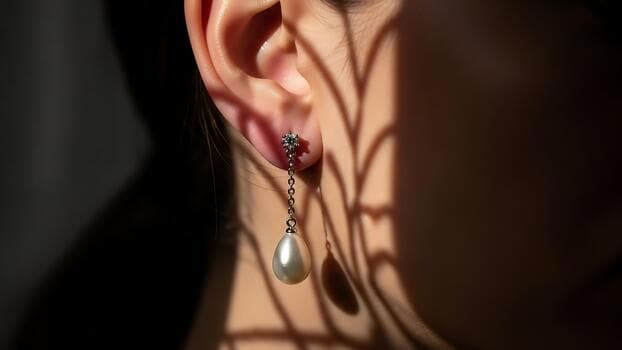
The tragus piercing is located through the small piece of cartilage that projects in front of the ear canal. Its distinctive location makes it popular among people who want a subtle but noticeable cartilage piercing.
Small studs are commonly used for tragus piercings, although the appropriate jewelry depends on the individual's anatomy and professional recommendations. Because the tragus is relatively small, precise placement is particularly important.
Healing generally takes longer than a standard lobe piercing. During this period, pressure and friction should be minimized. Earbuds and headphones can be particularly relevant because they may come into contact with the piercing.
Keeping the area clean and avoiding unnecessary touching are important parts of aftercare. People should wash their hands before handling the jewelry and follow the cleaning instructions provided by their professional piercer.
As with other cartilage piercings, complications can include irritation, infection, swelling, and the development of a piercing bump. Some bumps may result from irritation rather than infection, so self-diagnosis can be difficult.
People considering a tragus piercing should discuss their everyday use of earbuds, headphones, or other devices with their piercer.
Conch Piercing
The conch piercing is positioned through the broad cartilage area in the central portion of the ear. It can be performed as an inner conch piercing or, depending on anatomy, an outer conch placement. Its relatively central position provides an attractive location for both studs and hoops.
Conch piercings have become increasingly popular because they can create a distinctive appearance without requiring multiple piercings along the outer edge of the ear. Jewelry can also be selected to complement other ear piercings.
Because the conch is cartilage, healing generally takes several months and requires patience. Sleeping on the pierced ear may cause pressure and irritation, while headphones and other objects that contact the area can interfere with healing.
During the healing period, unnecessary rotation or movement of the jewelry should generally be avoided. Regular gentle cleaning according to professional instructions is preferable to excessive cleaning, which can itself irritate healing tissue.
If pain or swelling becomes increasingly severe rather than gradually improving, professional or medical assessment may be appropriate.
Daith Piercing
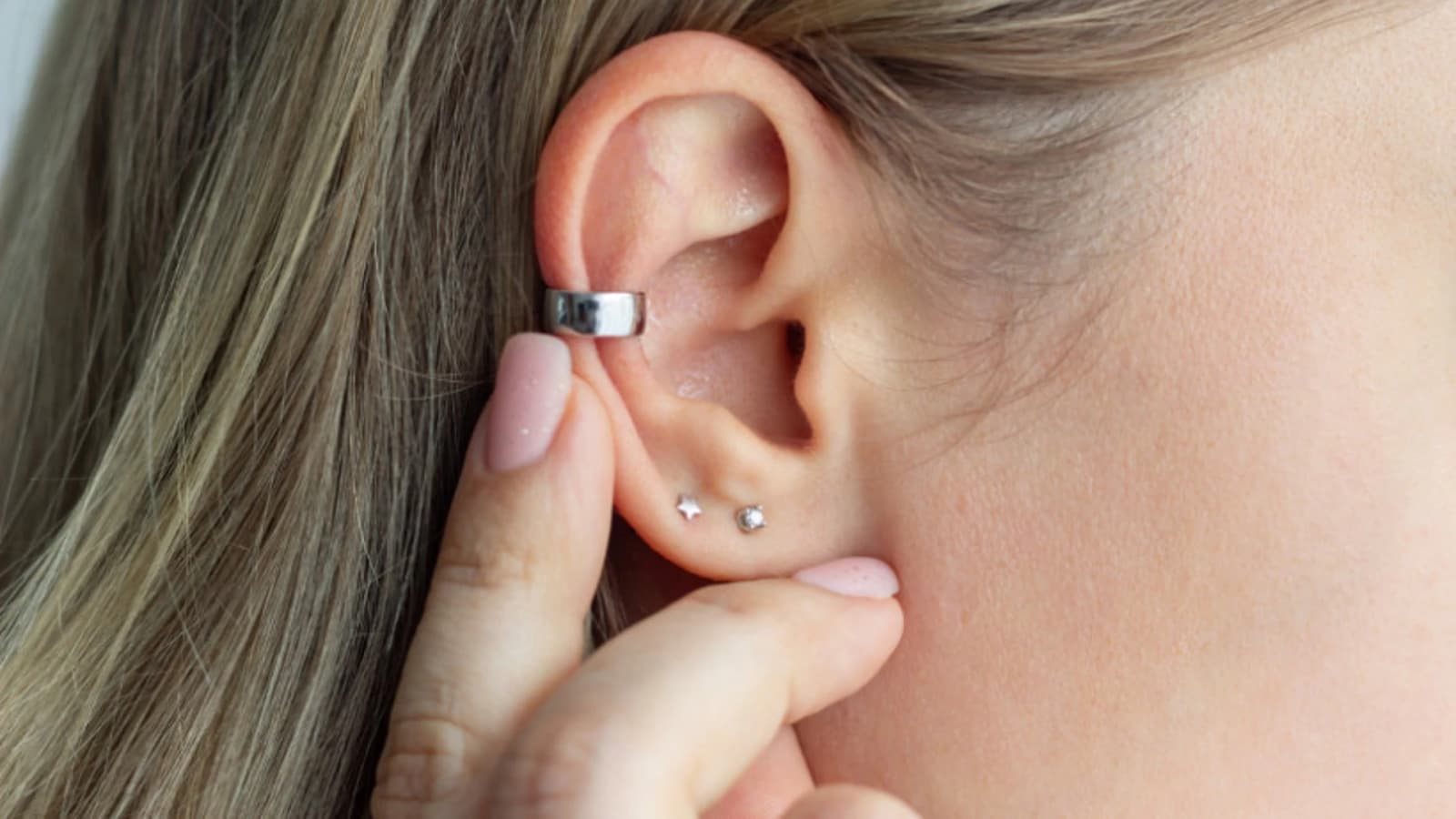
A daith piercing passes through the small fold of cartilage located above the ear canal. Its unusual position gives it a distinctive appearance, and it is frequently chosen by people looking for a less conventional cartilage piercing.
Curved jewelry and rings are commonly associated with daith piercings, although the choice should depend on anatomy and the recommendations of an experienced piercer. Because the area is relatively difficult to access, professional technique and appropriate equipment are especially important.
Daith piercings can take several months to heal. During this period, pressure on the ear can contribute to irritation. People who sleep on their side may therefore find healing more challenging if the piercing is located on their preferred sleeping side.
The piercing should be handled as little as possible, and hands should be thoroughly washed before any necessary contact. Earbuds and headphones may also require consideration depending on their design.
A common misconception is that daith piercing can treat or prevent migraines. Although some people report personal experiences, there is no reliable scientific evidence establishing daith piercing as an effective treatment for migraine. It should therefore not be considered a substitute for appropriate medical care.
Rook Piercing
The rook piercing is positioned through a fold of cartilage in the upper inner portion of the ear. Because of its relatively hidden location, it provides a distinctive look that can be more understated than an outer-ear piercing.
A curved barbell is commonly associated with rook piercings, although jewelry should always be selected according to the person's anatomy and professional recommendations. Not everyone's ear has a suitable cartilage fold for this piercing, making an anatomical assessment particularly important.
Rook piercings generally require several months to heal. As with other cartilage piercings, pressure, friction, and accidental impacts can prolong healing. Sleeping directly on the piercing may be uncomfortable and can contribute to irritation.
During healing, the area should be cleaned appropriately without excessive manipulation. Jewelry should generally remain in place unless a professional advises otherwise.
Because the rook is located in a relatively thick area of cartilage, swelling and tenderness can occur after piercing. However, symptoms such as severe or worsening pain, significant swelling, spreading redness, or unusual discharge should be evaluated.
Industrial Piercing
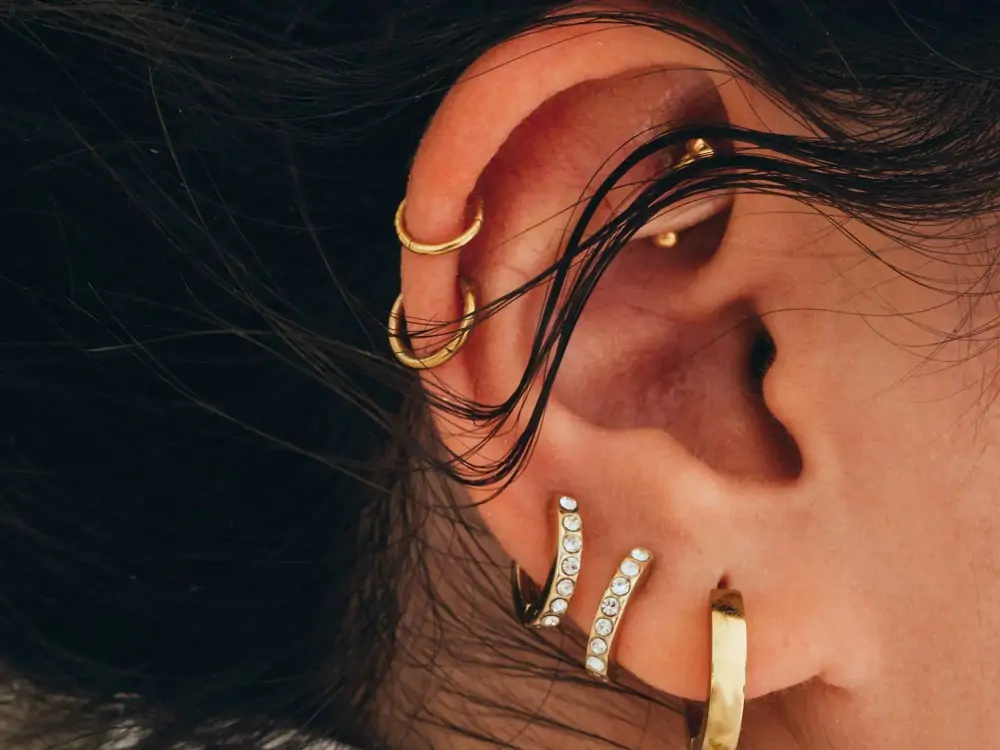
An industrial piercing is one of the most recognizable cartilage piercing styles. Rather than consisting of a single piercing, it generally connects two separate cartilage piercings with a single straight barbell. The bar creates a striking horizontal line across the upper portion of the ear.
Industrial piercings require careful planning because the two piercing points must align correctly with the individual's ear anatomy. Not every ear is suitable for a traditional industrial bar, and attempting to force an unsuitable placement can increase irritation and healing problems.
Because two cartilage sites are involved, healing can be challenging and may take several months or longer. Pressure from sleeping, headphones, hair, or clothing can irritate either end of the piercing.
Jewelry should be appropriately sized and made from a suitable body-safe material. During the healing period, unnecessary movement should be avoided, and the piercing should be cleaned according to professional instructions.
Flat Piercing
A flat piercing, sometimes called a flat helix piercing, is positioned through the relatively flat cartilage area on the upper part of the ear. It has become popular because it provides a larger surface for decorative jewelry, including gemstone and ornamental studs.
Unlike a traditional helix piercing, which follows the outer rim of the ear, a flat piercing sits farther inward on the upper cartilage. This creates opportunities for jewelry arrangements and combinations with other piercings.
As a cartilage piercing, it typically requires a longer healing period than an earlobe piercing. Pressure from sleeping, headphones, hats, and other objects can cause irritation during recovery.
Professional placement is important because the available cartilage varies considerably from person to person. Jewelry should have enough room to accommodate initial swelling while being appropriately fitted as healing progresses.
Aftercare generally involves keeping the area clean and avoiding unnecessary touching or movement. Excessive cleaning or harsh products may irritate the healing tissue, so following professional guidance is preferable.
Choosing the Right Ear Piercing
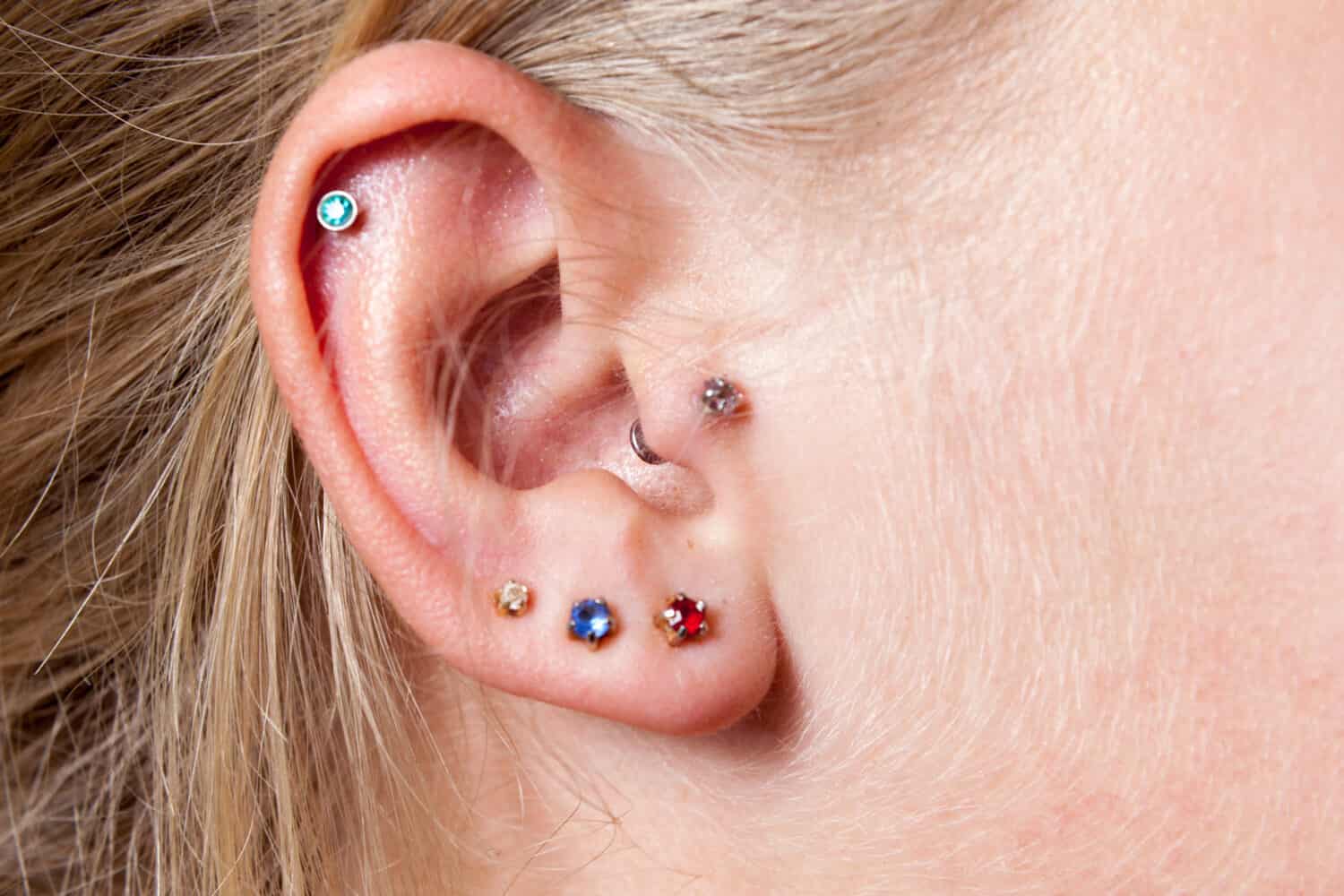
Choosing an ear piercing involves more than selecting a style based on appearance. Anatomy, healing time, lifestyle, jewelry, and professional technique should all be considered. For example, someone who frequently wears headphones may need to think carefully about tragus or conch piercings, while a person who sleeps on their side may find certain cartilage placements more difficult to heal.
A professional piercer should examine the ear and explain the realistic expectations associated with the selected piercing. They should also use appropriate sterilization procedures and sterile equipment. People with a history of metal allergies, abnormal scarring, or previous piercing complications should mention these factors before the procedure.
Ear Piercing Aftercare
Good aftercare can help support uncomplicated healing. General principles include:
Wash your hands before touching a new piercing.
Clean the piercing according to professional instructions.
Avoid unnecessary twisting or rotating of jewelry.
Minimize pressure, friction, and accidental pulling.
Avoid changing jewelry before the piercing has adequately healed.
Keep cosmetics, hair products, and other irritants away from the healing area.
Do not use harsh chemicals or excessive cleaning methods.
Seek professional or medical advice if symptoms worsen.
It is important to remember that a piercing may appear healed externally before the underlying tissue has completely recovered.
Conclusion
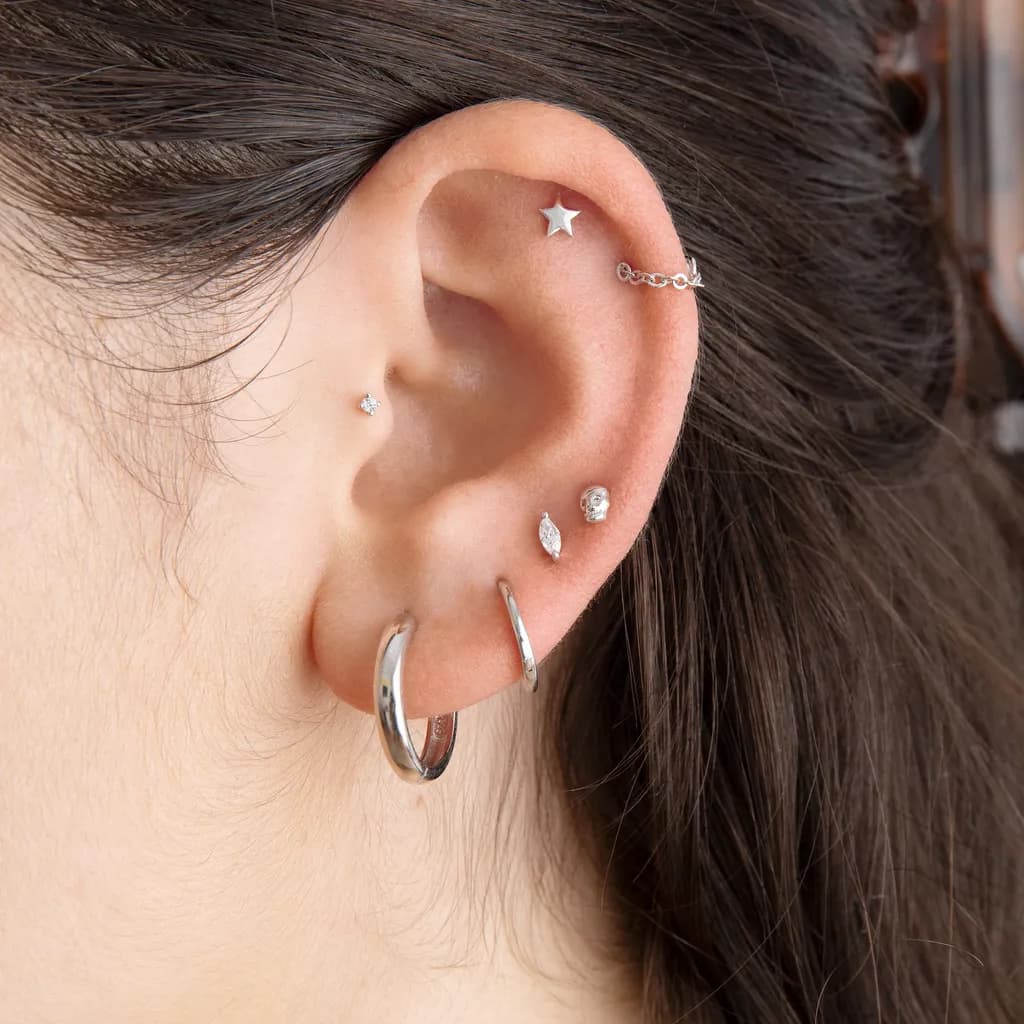
Ear piercing offers an enormous variety of styles, from the classic lobe piercing to cartilage options such as helix, tragus, conch, daith, rook, industrial, and flat piercings. Each type provides a different aesthetic and comes with its own healing requirements and potential challenges.
The safest approach is to choose a reputable professional who evaluates your anatomy, follows appropriate hygiene and sterilization procedures, and uses suitable jewelry. Understanding the expected healing process and following aftercare instructions can help reduce the risk of complications.
Read More