

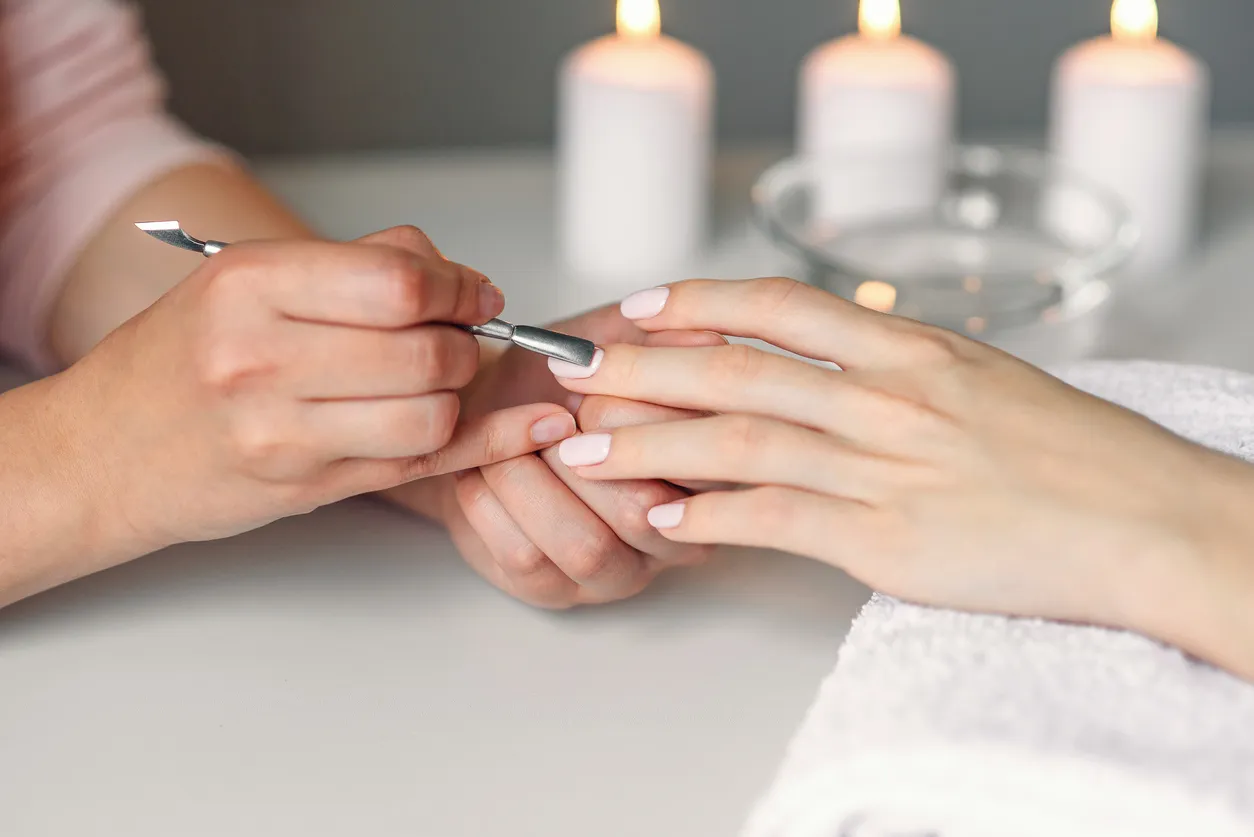
The beauty and nail-care industry is constantly evolving, introducing techniques designed to make nails look healthier, smoother, stronger, and more polished. Among the newer trends attracting attention is nail lamination, a treatment that focuses on improving the appearance and condition of the natural nails while creating a smooth, glossy finish.
Unlike traditional nail extensions, nail lamination is generally intended to work with the person's natural nails rather than adding significant length with artificial tips. The technique may involve applying specialized products in carefully controlled layers to smooth the nail surface, improve its appearance, and provide a protective coating. Nail lamination has become particularly appealing to people who prefer a natural-looking manicure but still want their nails to appear neat, glossy, and well-groomed.
What Is Nail Lamination?
Nail lamination is a cosmetic nail treatment designed to coat, smooth, and enhance the natural nail plate. The concept is somewhat comparable to other lamination procedures in the beauty industry: products are applied in layers to create a smoother and more uniform surface.
The exact process can differ considerably. Some nail professionals use strengthening or flexible gel-based products, while others may use specialized nail-care formulations designed to create a protective layer over the natural nail. The main objective is usually to produce nails that look smoother, healthier, and more polished without relying on traditional extensions.
Nail lamination may be particularly attractive to individuals with nails that appear thin, uneven, brittle, or prone to splitting. However, it is important to distinguish cosmetic enhancement from medical treatment. Nail lamination does not cure underlying nail diseases or permanently repair damaged nails.
How Does Nail Lamination Work?
Although procedures differ between providers, a typical nail-lamination appointment begins with preparing the natural nails. Existing polish or other products are removed, and the nails are gently shaped.
The nail surface and surrounding cuticles are then prepared. Depending on the technique, the professional may apply a primer or base product before adding the lamination or strengthening formulation.
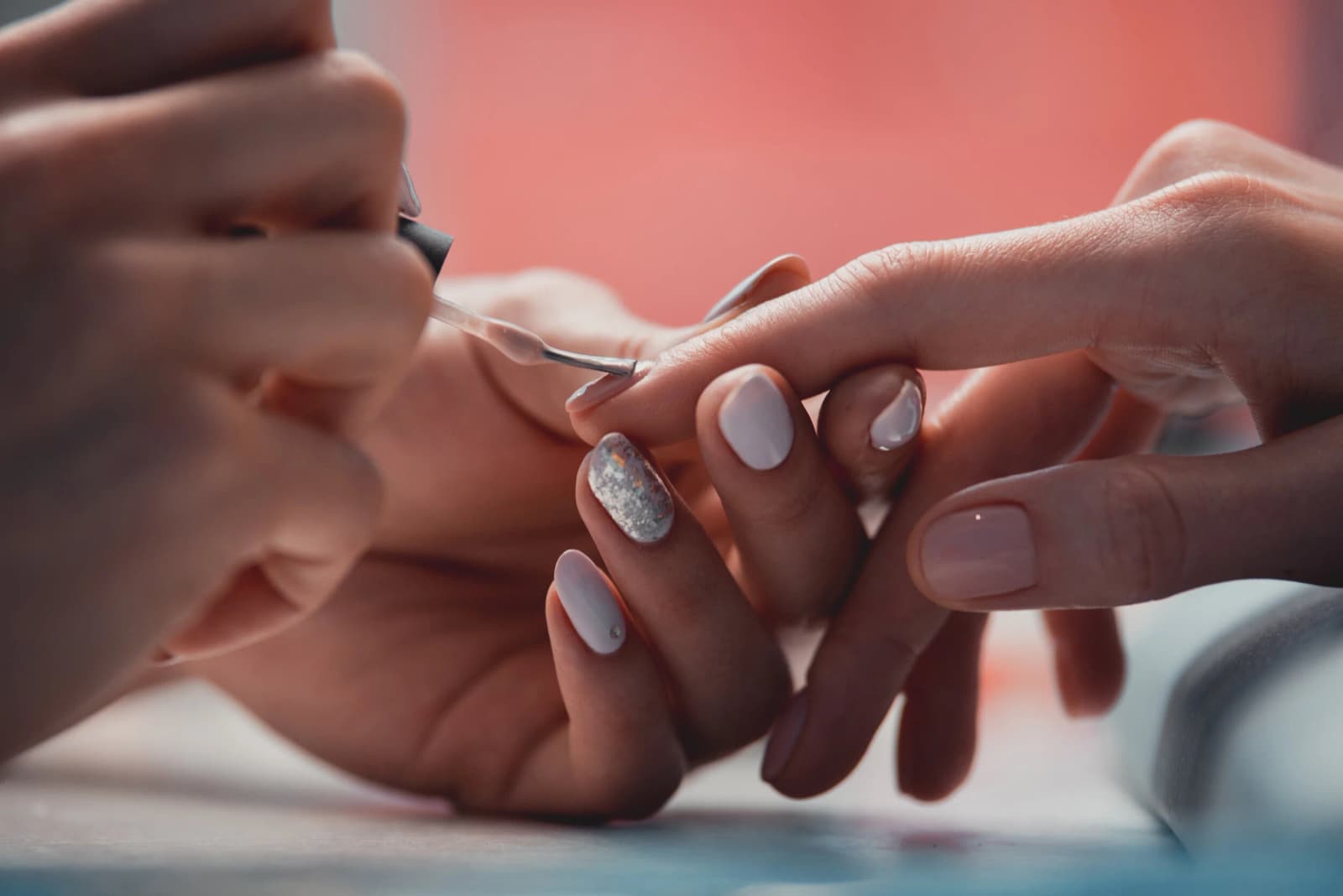
The product is generally applied carefully in thin layers. Each layer may need to be cured using an appropriate lamp if a gel-based system is being used. The aim is to create an even coating that follows the natural shape of the nail without making it excessively thick.
After the final layer has been applied and cured or set, the nails may be lightly refined and finished with a glossy topcoat. Some clients choose to leave the nails natural, while others combine the treatment with conventional nail polish or decorative nail art.
Benefits of Nail Lamination
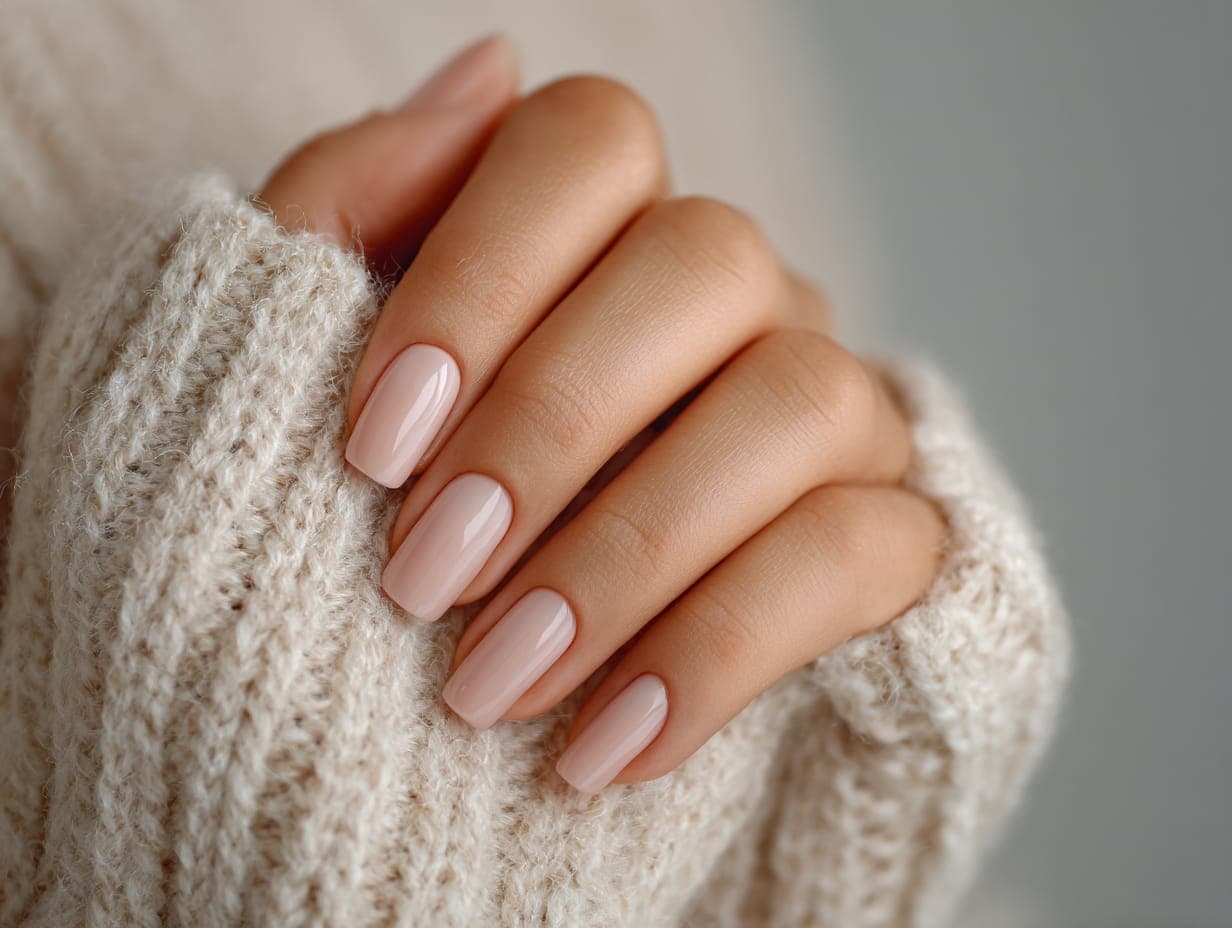
One of the primary attractions of nail lamination is its natural appearance. Instead of dramatically changing the length or shape of the nails, the technique is designed to enhance the existing nail. Potential cosmetic benefits may include:
A smoother-looking nail surface
A glossy, polished appearance
A more uniform nail shape
Improved visual appearance of uneven nails
A protective coating over the natural nail
Reduced visibility of minor surface imperfections
A suitable base for nail color and nail art
A natural alternative to some extension techniques
For people who dislike the thickness or maintenance associated with artificial extensions, lamination may offer a more subtle option.
Nail Lamination vs. Nail Extensions
Nail lamination and nail extensions have different purposes.
Nail extensions are designed primarily to add length and can dramatically change the shape and appearance of the natural nail. They may involve artificial tips, forms, acrylic systems, or various gel systems.
Nail lamination, by contrast, generally focuses on improving and protecting the appearance of the existing nail without adding substantial artificial length.
This makes lamination appealing to individuals who want a minimalist manicure or a natural-looking result. It can also be a practical option for someone who wants polished nails without committing to long extensions. The appropriate choice depends on personal preferences, nail condition, desired appearance, and lifestyle.
Who May Consider Nail Lamination?
Nail lamination may appeal to people who:
Prefer natural-looking manicures
Want a glossy finish without significant nail extensions
Have uneven-looking natural nails
Want to enhance short nails
Prefer a relatively subtle manicure
Enjoy regular nail care and maintenance
Want a smooth base for polish or nail art
It may not be appropriate for everyone. Individuals with suspected fungal infections, unexplained nail discoloration, open wounds, inflammation, or other nail abnormalities should seek appropriate professional or medical evaluation before undergoing cosmetic nail procedures.
How Long Does Nail Lamination Last?
The longevity of nail lamination depends on several factors, including the products used, nail growth, exposure to water and chemicals, lifestyle, and aftercare. Because natural nails continuously grow, the treated area gradually moves away from the cuticle as new nail develops. This means clients may eventually require maintenance or removal and reapplication.
Some people may notice changes after a few weeks, while others may maintain the appearance for longer. Repeated treatments should also be performed responsibly. Continually applying or removing coatings without allowing the nails to be assessed can potentially contribute to dryness or mechanical damage, particularly if aggressive filing or peeling is involved.
Nail Lamination Aftercare
Proper aftercare can help maintain the appearance of laminated nails and protect the surrounding skin. Clients may be advised to:
Avoid picking or peeling the coating.
Use gloves when working with household cleaning chemicals.
Keep the cuticles moisturized.
Apply nail and cuticle oil regularly.
Avoid using nails as tools.
Minimize unnecessary exposure to harsh chemicals.
Have the coating professionally removed when required.
Avoid aggressive filing of the natural nail.
One of the most important rules is not to peel or forcibly remove the coating. Pulling off a bonded product can remove superficial layers of the natural nail and leave the nail thinner or more vulnerable.
Is Nail Lamination Safe?
For most people, professionally performed cosmetic nail treatments can be used safely when appropriate products, hygiene practices, and application techniques are followed.
Nevertheless, nail products can occasionally cause irritant or allergic reactions, particularly when products come into contact with surrounding skin or are improperly cured. Symptoms may include redness, itching, swelling, blistering, or irritation around the nails.
Hygiene is another important consideration. Nail instruments should be properly cleaned and sterilized or appropriately disinfected according to their intended use, and single-use materials should not be reused.
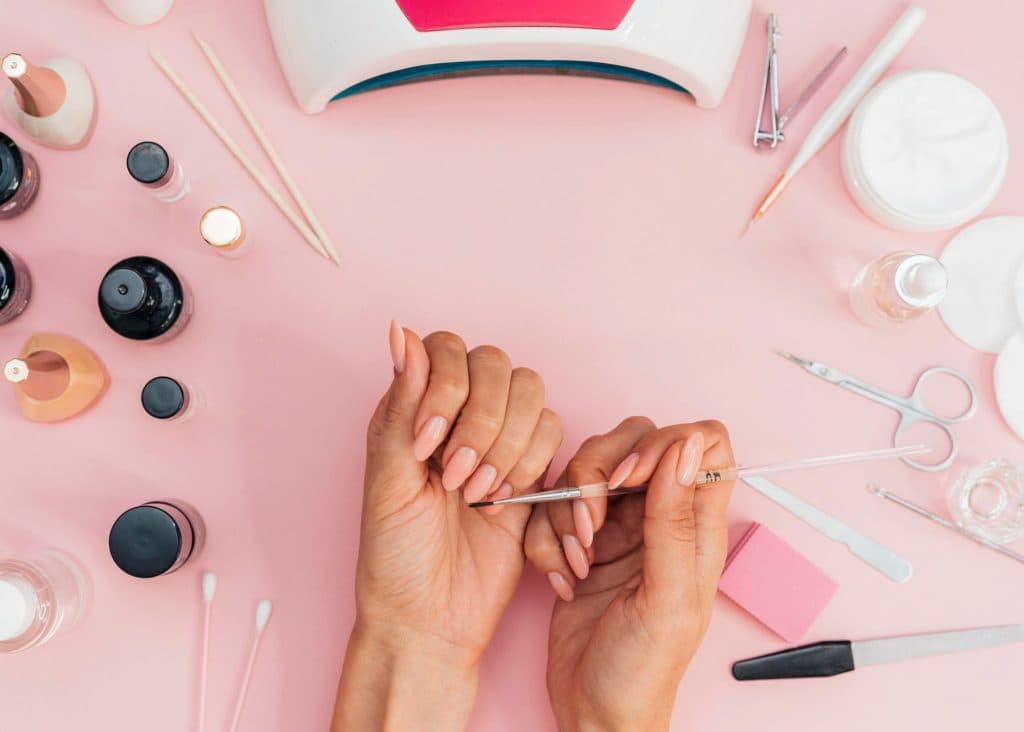
Nail Lamination vs. Other Nail Treatments
Nail lamination is only one of many approaches to nail enhancement. Traditional polish offers temporary color without creating a substantial protective coating. Gel manicures can provide a durable, glossy finish, while acrylic and other extension systems can add considerable length.
Lamination generally sits between basic nail care and more substantial artificial enhancement. Its appeal lies in enhancing the natural nail while maintaining a relatively understated appearance. The best treatment depends on the client's goals. Someone looking for dramatic length may prefer extensions, while someone primarily interested in smooth, natural-looking nails may prefer lamination.
Conclusion
Nail lamination is an emerging nail-industry technique focused on enhancing the appearance of natural nails through carefully applied protective or strengthening layers. Its smooth, glossy finish and relatively natural appearance make it an appealing option for people who want polished nails without dramatic extensions.
However, the term can refer to different procedures and products, so clients should always clarify what a particular salon means by “nail lamination.” The quality of the products, application technique, hygiene standards, and removal process can all influence the final result and the condition of the natural nails.
Read More