

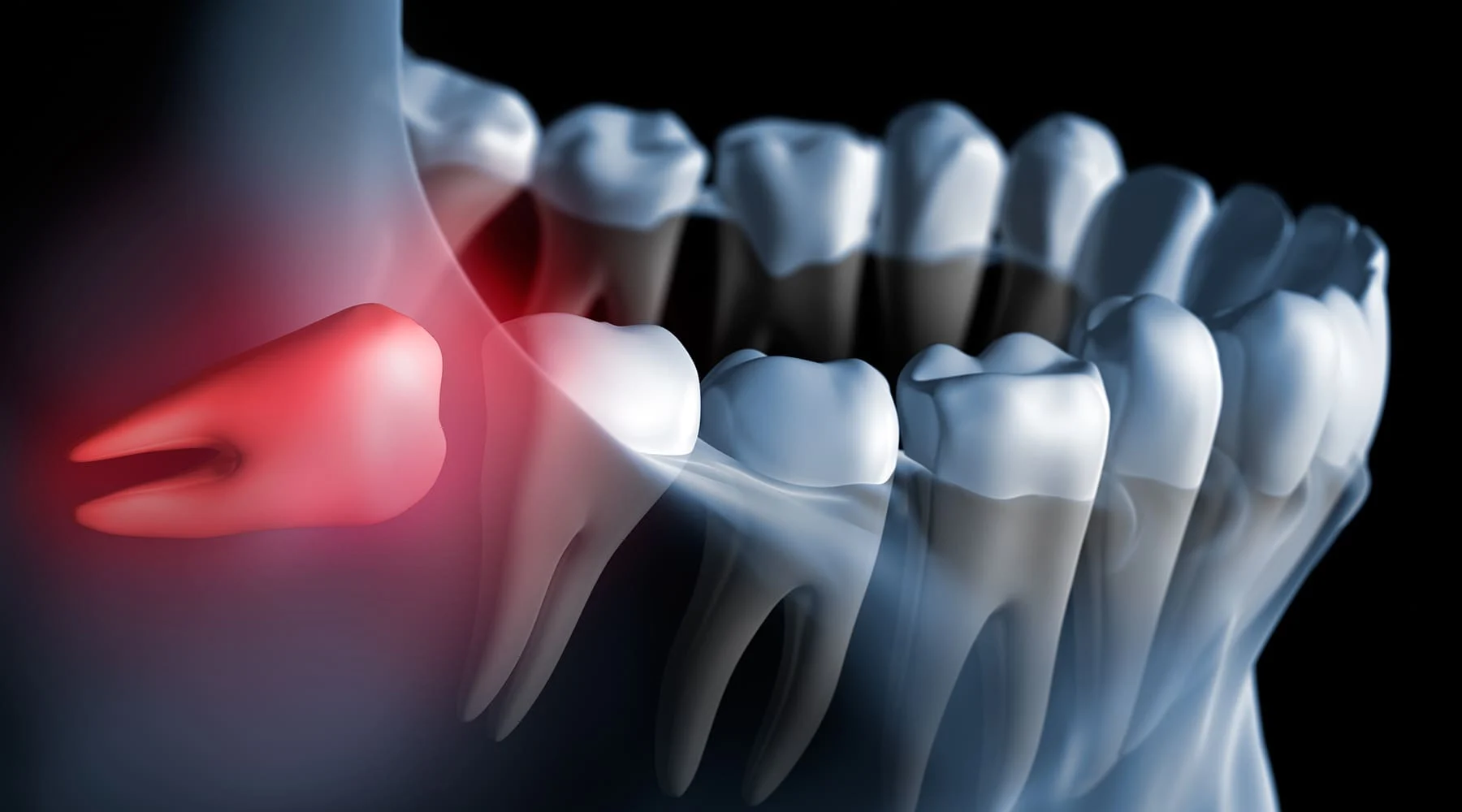
Wisdom teeth, also called third molars, are the final set of teeth to develop in the mouth. They usually begin to emerge during the late teenage years or early adulthood, although the timing can vary considerably from person to person. While some people have enough space for their wisdom teeth to grow normally, others may experience pain, infection, tooth decay, gum problems, or damage to nearby teeth.
If you are wondering; Should I have my wisdom teeth removed? The answer depends on the position and condition of the teeth, your symptoms, your oral health, and whether there is a risk of future complications. Wisdom tooth removal is not automatically necessary for everyone, particularly when the teeth are healthy, fully erupted, correctly positioned, and easy to clean.
What Are Wisdom Teeth?
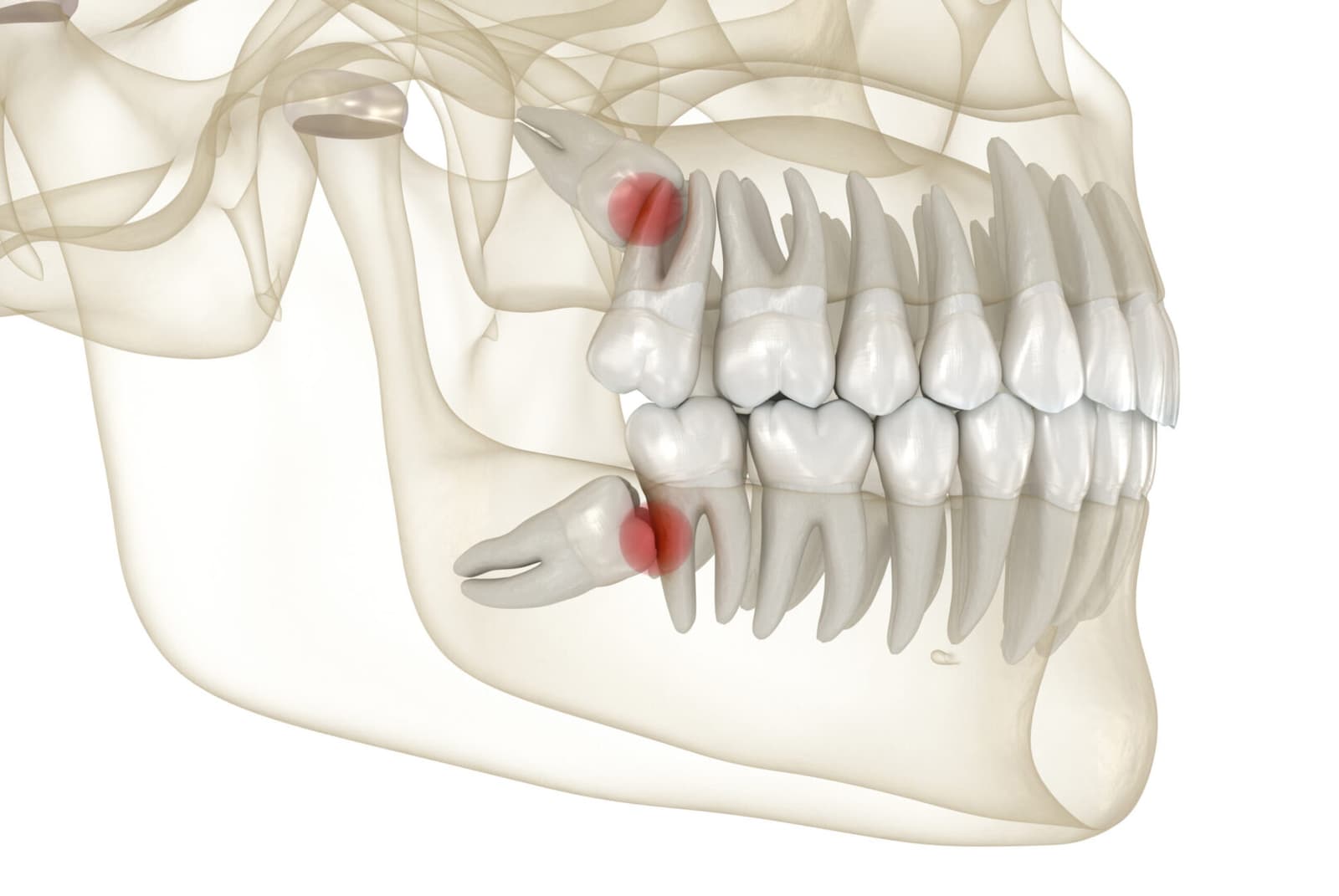
Wisdom teeth are the third molars located at the very back of the upper and lower jaws. Most people develop up to four wisdom teeth, although some people have fewer or do not develop them at all. Modern human jaws are sometimes not large enough to accommodate these additional teeth comfortably. As a result, wisdom teeth may become impacted, meaning they cannot fully emerge through the gums.
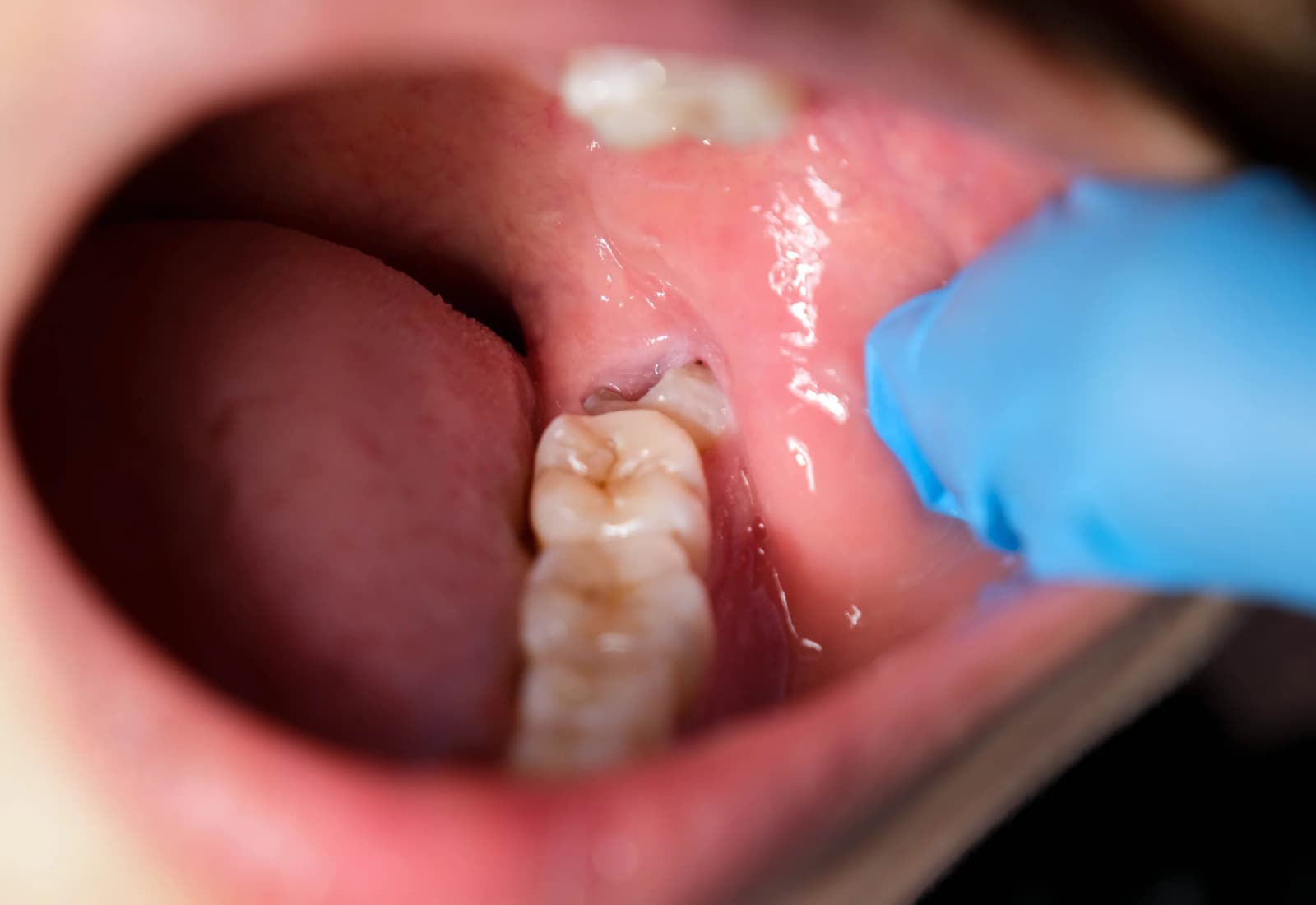
Wisdom teeth can become impacted in several ways. They may remain completely inside the jawbone, emerge only partially, or grow at an unusual angle toward the neighboring tooth. In some cases, a wisdom tooth may erupt normally and cause no significant problems.
When Should Wisdom Teeth Be Removed?
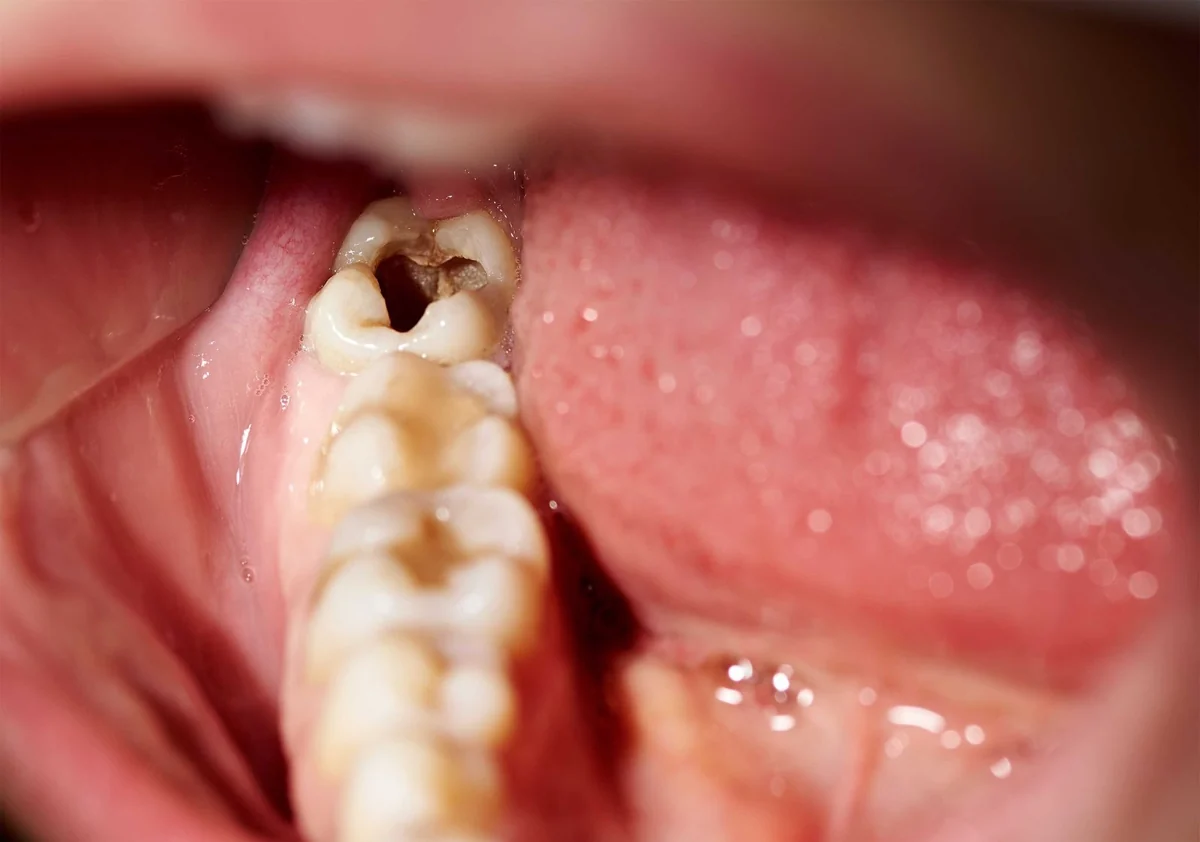
There are several situations in which a dentist may recommend wisdom tooth removal. One of the most common reasons is recurrent pain or infection. A partially erupted wisdom tooth can create a flap of gum tissue around the tooth. Food and bacteria may become trapped in this area, potentially causing inflammation or infection known as pericoronitis. Symptoms can include pain, swelling, bad breath, difficulty opening the mouth, and an unpleasant taste. Removal may also be considered when a wisdom tooth causes or contributes to:
Repeated gum infections
Tooth decay that cannot be effectively treated
Gum disease around the wisdom tooth or neighboring tooth
Damage to an adjacent tooth
Cysts or other abnormalities around the tooth
Persistent pain or swelling
Crowding or other dental problems in certain circumstances
The decision should be based on an individual assessment rather than simply on the presence of wisdom teeth.
Do All Wisdom Teeth Need to Be Removed?
No. Having wisdom teeth does not automatically mean that they need to be extracted. If a wisdom tooth has fully erupted, is healthy, positioned properly, participates normally in chewing, and can be cleaned effectively, a dentist may recommend keeping it. Regular dental examinations can help monitor the tooth over time.
Similarly, some impacted wisdom teeth may not require immediate removal if they are not causing symptoms or identifiable problems. However, an impacted tooth may still require monitoring because its condition can change. This is why a professional dental examination is important. A decision based only on whether the tooth hurts may not provide the complete picture.
What Happens Before Wisdom Tooth Removal?
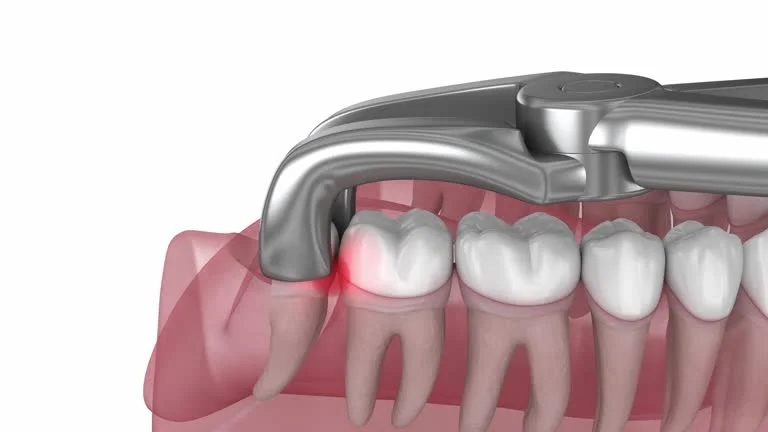
Before recommending extraction, a dentist or oral surgeon typically examines the mouth and reviews dental imaging. An X-ray can show the position of the wisdom tooth, its roots, its relationship with neighboring teeth, and the surrounding bone. The healthcare professional may also ask about symptoms, previous dental problems, medications, allergies, and general health.
Depending on the complexity of the extraction, the procedure may be performed by a general dentist or an oral and maxillofacial surgeon. Simple extractions can sometimes be performed when the tooth has fully erupted and can be accessed easily. An impacted wisdom tooth may require a surgical extraction, in which the dentist or surgeon makes an opening in the gum and may remove a small amount of bone or divide the tooth into sections before removing it.
Is Wisdom Tooth Removal Painful?
During the procedure, local anesthesia is used to numb the area, so you should not feel sharp pain while the tooth is being removed. You may, however, experience pressure, movement, or other sensations during the procedure. For more complicated procedures or for patients who are particularly anxious, additional forms of sedation may sometimes be available. The appropriate option depends on the procedure and the patient's individual circumstances.
After the anesthesia wears off, some pain, swelling, and jaw discomfort are common. These symptoms usually improve during the following days. Your dentist or surgeon can provide instructions about pain management, eating, oral hygiene, and activity after the procedure.
How Long Does Recovery Take?
Recovery varies depending on factors such as the number of teeth removed, whether they were impacted, the complexity of the procedure, and the individual's healing process. Swelling and discomfort are often most noticeable during the first few days and gradually improve. Your dental team may recommend soft foods temporarily and advise you to avoid activities that could disturb the extraction site.
One important complication is dry socket, which can occur when the blood clot that normally forms in the extraction site becomes displaced or breaks down prematurely. This can cause significant pain and delay healing. Following the dentist's aftercare instructions can help reduce the risk of complications.
Are There Risks Associated with Wisdom Tooth Removal?
Like any surgical procedure, wisdom tooth extraction has potential risks. Most people recover without serious complications, but the risks depend partly on the position of the tooth and the complexity of the procedure. Possible complications include:
Pain and swelling
Bleeding
Infection
Dry socket
Temporary difficulty opening the mouth
Damage to nearby teeth or dental restorations
Temporary or, rarely, longer-lasting nerve-related symptoms
Lower wisdom teeth can sometimes be located close to nerves that supply sensation to the lower lip, chin, or tongue. Your dentist or oral surgeon can assess the X-ray and discuss the specific risks before treatment.
What If I Do Not Remove a Problematic Wisdom Tooth?
If a wisdom tooth is causing repeated infections, decay, damage to neighboring teeth, or other dental problems, leaving it untreated may allow the problem to continue or worsen.
However, the appropriate treatment depends on the underlying issue. In some situations, monitoring, cleaning, medication, or another dental treatment may be considered instead of immediate extraction. A dental professional can determine whether removal, monitoring, or another treatment is appropriate.
Conclusion
Some wisdom teeth remain healthy and functional throughout life and can be monitored without extraction. Others may cause recurrent infections, decay, gum disease, damage to neighboring teeth, or other complications that make removal appropriate. The most reliable way to determine whether extraction is necessary is through an examination by a dentist or oral and maxillofacial surgeon, supported by appropriate dental imaging. The decision should consider both your current symptoms and the condition and position of the teeth.
Read More