

As people look for ways to improve their skin without surgery or injectable treatments, non-invasive and minimally invasive rejuvenation techniques have become increasingly popular. Topical carboxytherapy is one of the treatments attracting attention for its potential to improve the appearance and texture of the skin without injecting carbon dioxide (CO₂) into the tissue.
What Is Topical Carboxytherapy?
Topical carboxytherapy is a non-injectable skin treatment that uses carbon dioxide-related technology at the skin's surface to support skin rejuvenation. Depending on the specific system or product used, treatment may involve applying a specially formulated gel, mask, or topical preparation to the skin. Some systems are designed to generate carbon dioxide through a chemical reaction when two components are combined.
The resulting CO₂ interacts with the skin's surface and may temporarily influence local circulation and other physiological processes. The exact formulation, mechanism, and treatment protocol vary between products and clinics. Unlike conventional injectable carboxytherapy, topical carboxytherapy does not involve inserting a needle into the skin to deliver CO₂ directly into the tissue.
How Does Topical Carboxytherapy Work?
The proposed mechanism behind topical carboxytherapy is related to the interaction between carbon dioxide and the skin. When CO₂ is present around the skin, it can influence local blood flow and oxygen dynamics. Injectable carboxytherapy is based partly on the Bohr effect, in which increased carbon dioxide concentration and lower pH can encourage hemoglobin to release oxygen to surrounding tissues.
Topical treatments are different because the CO₂ is generated or applied at the skin's surface rather than directly injected into the dermis or subcutaneous tissue. Therefore, the physiological effects should not automatically be assumed to be identical to those of injectable carboxytherapy.
Potential Benefits of Topical Carboxytherapy
Topical carboxytherapy is primarily used as a cosmetic skin-rejuvenation treatment. Potential benefits may include:
Improved Skin Radiance: Some people seek topical carboxytherapy because their skin appears dull or tired. Treatment may temporarily improve the appearance of the complexion, potentially creating a fresher and more radiant look.
Smoother Skin Texture: Topical carboxytherapy may be incorporated into facial rejuvenation programs intended to improve the appearance of uneven or rough skin texture.
Fine Lines: Some clinics promote carboxytherapy as a treatment for the appearance of fine lines. Any improvement may depend on the patient's skin condition, the treatment protocol, and whether topical carboxytherapy is combined with other rejuvenating procedures.
Hydration and Skin Appearance: Depending on the formulation used, topical carboxytherapy products may be combined with moisturizing or active skincare ingredients. In these cases, some of the perceived improvement may come from the accompanying topical ingredients rather than CO₂ exposure alone.
Minimal Downtime: One of the attractions of topical carboxytherapy is that it does not require needles or surgical incisions. Patients can generally return to their normal activities relatively quickly, although the treated skin may experience temporary redness or sensitivity.
Topical vs. Injectable Carboxytherapy
Although they share the name "carboxytherapy," topical and injectable treatments are not identical.
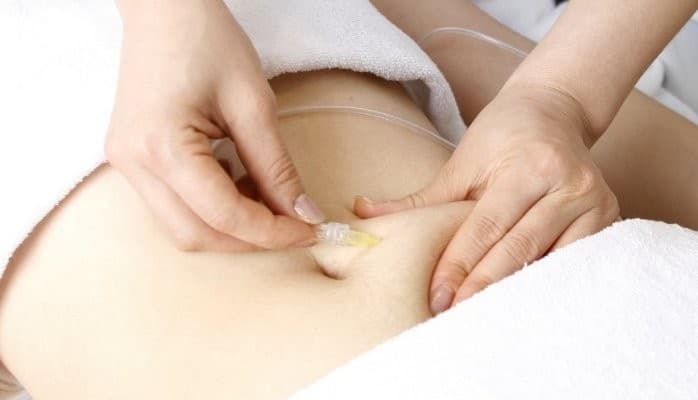
Injectable carboxytherapy involves introducing medical-grade CO₂ beneath the skin using a fine needle. The gas is delivered into targeted tissues under controlled conditions.
Topical carboxytherapy, on the other hand, applies or generates CO₂ at the skin's surface without injecting gas.
Topical treatment may appeal to people who want to avoid injections, while injectable treatment can provide a more direct method of delivering CO₂ to targeted tissues.
What Happens During a Topical Carboxytherapy Treatment?
The exact process depends on the product or device being used, but a typical session may involve several steps.
First, the skin is cleansed to remove makeup, oil, and other surface impurities. The practitioner then applies the carboxytherapy preparation according to the manufacturer's protocol.
When the components are combined, a chemical reaction may generate CO₂. Patients can experience sensations such as mild tingling, warmth, tightness, or bubbling on the skin.
The product is generally left in place for a specified period before being removed or processed according to the treatment protocol. The practitioner may then apply a soothing or moisturizing product.
A session commonly takes a relatively short amount of time, although the duration varies depending on the treatment area and the specific system used.
How Many Sessions Are Needed?
The number of treatments depends on the individual's skin condition, treatment goals, and the specific topical carboxytherapy system. Some clinics recommend a series of sessions rather than a single treatment. A practitioner may establish a treatment schedule and then assess the skin's response over time.
It is important not to assume that more sessions will necessarily produce better results. The appropriate frequency should be based on the manufacturer's instructions and professional assessment of the patient's skin.
Is Topical Carboxytherapy Painful?
Because topical carboxytherapy does not require injections, it generally avoids the needle-related discomfort associated with injectable carboxytherapy.
During treatment, some patients may notice mild tingling, warmth, bubbling, or a temporary tightening sensation. These sensations are usually associated with the topical preparation and its interaction with the skin.
However, individual sensitivity varies. People with particularly reactive skin should inform their practitioner before treatment.
Possible Side Effects and Risks
Although topical carboxytherapy is generally considered less invasive than injectable procedures, it is not necessarily risk-free. Temporary effects may include:
Redness
Tingling or mild burning
Temporary sensitivity
Tightness
Dryness or irritation
Temporary swelling in some cases
The likelihood of irritation can depend on the ingredients used in the formulation, the concentration and treatment protocol, and the individual's skin sensitivity. People with a history of allergic reactions to skincare ingredients should discuss their allergies with the practitioner before treatment.
Who May Be a Candidate?
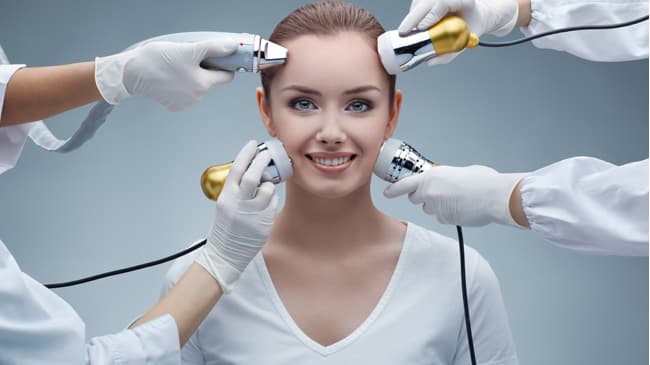
Topical carboxytherapy may be considered by adults who want a non-invasive approach to improving the appearance of dull, tired, or uneven skin. A consultation is important before treatment, particularly for people with sensitive skin, chronic skin conditions, allergies, or a history of reactions to cosmetic products. Patients should also have realistic expectations. Topical carboxytherapy is a cosmetic treatment and should not be considered a replacement for medical treatment of a skin disease.
Who Should Avoid Topical Carboxytherapy?
Not everyone is an appropriate candidate for every topical cosmetic treatment.
Treatment may need to be postponed or avoided in areas with active skin infections, open wounds, severe irritation, or significant inflammation. Individuals with known allergies to any ingredients in the treatment formulation should not undergo the procedure unless a qualified professional determines that it is appropriate.
Pregnant or breastfeeding individuals should discuss cosmetic procedures with an appropriate healthcare professional before treatment, particularly because the safety of specific formulations can vary.
A complete medical and skincare history allows the practitioner to identify potential contraindications and select an appropriate treatment plan.
Topical Carboxytherapy for Different Areas
Although facial rejuvenation is one of the most common applications discussed in connection with topical carboxytherapy, similar approaches may be used on other areas of the body depending on the product and its intended indications.
Face: Facial treatments may target dullness, uneven texture, and the appearance of fine lines. Because facial skin can be sensitive, treatment intensity and product selection should be individualized.
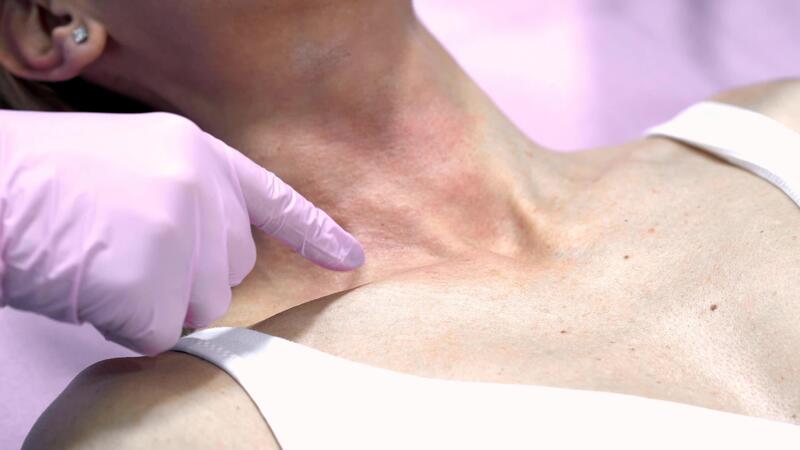
Neck: The neck is another area where signs of skin aging may become visible. Some clinics incorporate topical carboxytherapy into rejuvenation protocols for improving the overall appearance of neck skin.
Décolletage: The chest area can develop pigmentation, dryness, and visible signs of photoaging. A practitioner may consider topical rejuvenation treatments for the décolletage when appropriate.
Can Topical Carboxytherapy Replace Other Skin Treatments?
Topical carboxytherapy should not necessarily be viewed as a replacement for established treatments such as chemical peels, microneedling, laser procedures, or injectable treatments. Different procedures target different aspects of skin aging.
For example, chemical peels can remove controlled layers of the outer skin, while microneedling creates tiny controlled injuries intended to stimulate the skin's repair response. Laser treatments use specific wavelengths of light to target selected skin structures.
Topical carboxytherapy may instead be used as a standalone cosmetic treatment or as part of a broader skincare program, depending on the patient's needs.
What Results Can You Expect?
Results vary considerably from person to person. Some patients may notice a temporary improvement in radiance or skin freshness after treatment, while others may require several sessions before noticing a change.
Topical carboxytherapy should not be presented as a permanent solution to skin aging. Natural aging and environmental factors continue after treatment, and maintaining healthy skincare habits and sun protection remains important.
The outcome also depends on the underlying skin concern. A treatment designed to improve temporary dullness, for example, should not be expected to eliminate deep wrinkles, significant skin laxity, or pronounced pigmentation.
Conclusion
Topical carboxytherapy is a non-invasive skin-rejuvenation approach that uses carbon dioxide-related technology at the skin's surface rather than injecting CO₂ into the tissue. It has attracted interest among people seeking treatments for dullness, uneven texture, and other visible signs of skin aging while avoiding needles and significant downtime.
However, topical and injectable carboxytherapy are different procedures, and evidence for one should not automatically be applied to the other. Results can also vary according to the specific product, treatment protocol, skin condition, and individual response.
Read More