

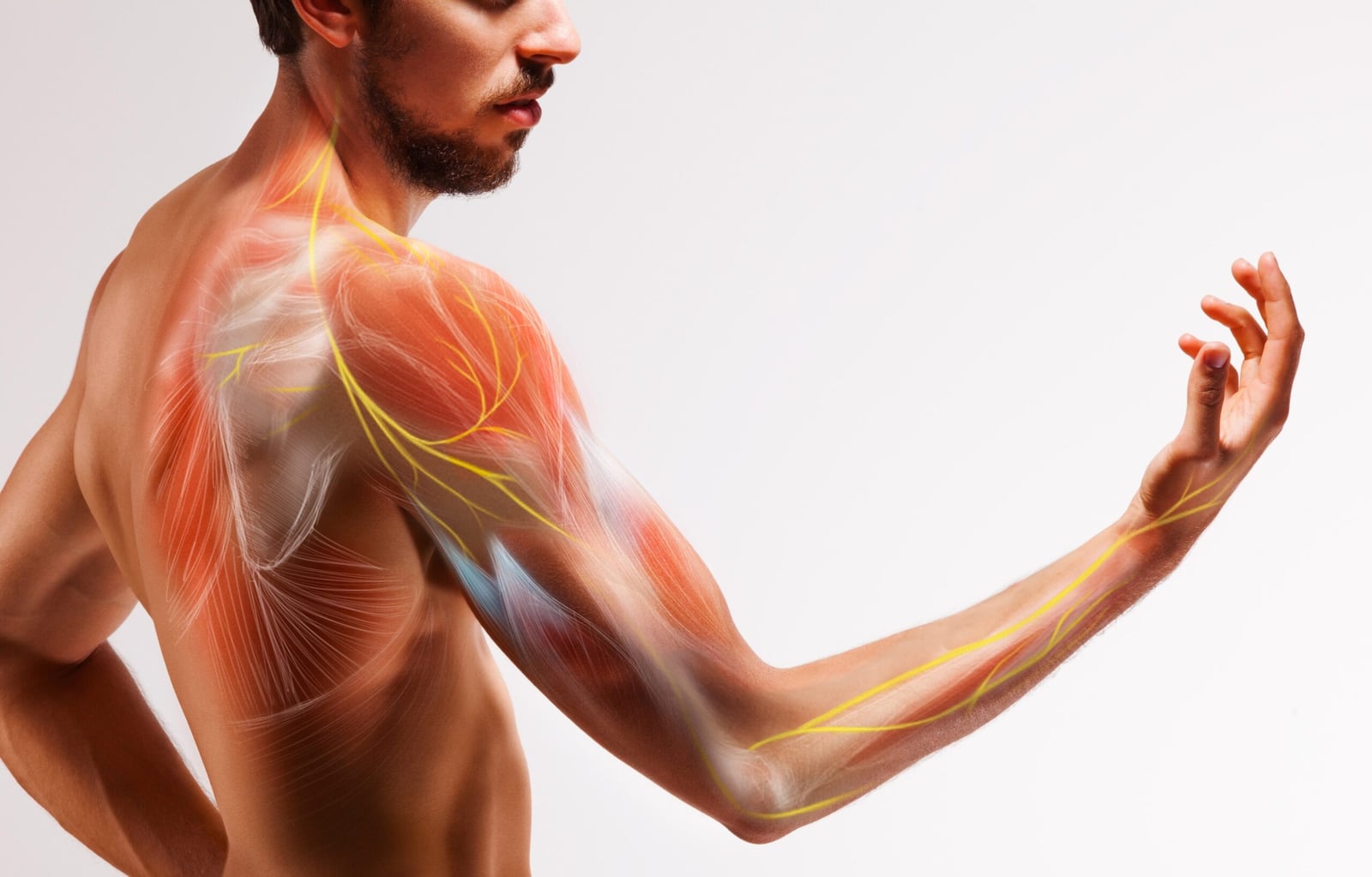
Peripheral nerves form an essential part of the nervous system, connecting the brain and spinal cord with the rest of the body. They allow us to move our muscles, feel sensations such as touch and temperature, and control certain automatic functions, including sweating and blood pressure. When these nerves become injured or damaged, a condition known as peripheral nerve damage or peripheral neuropathy can develop. This can occur for many reasons, including physical injuries, diabetes, infections, autoimmune diseases, exposure to toxins, and certain medications.
What Is Peripheral Nerve Damage?
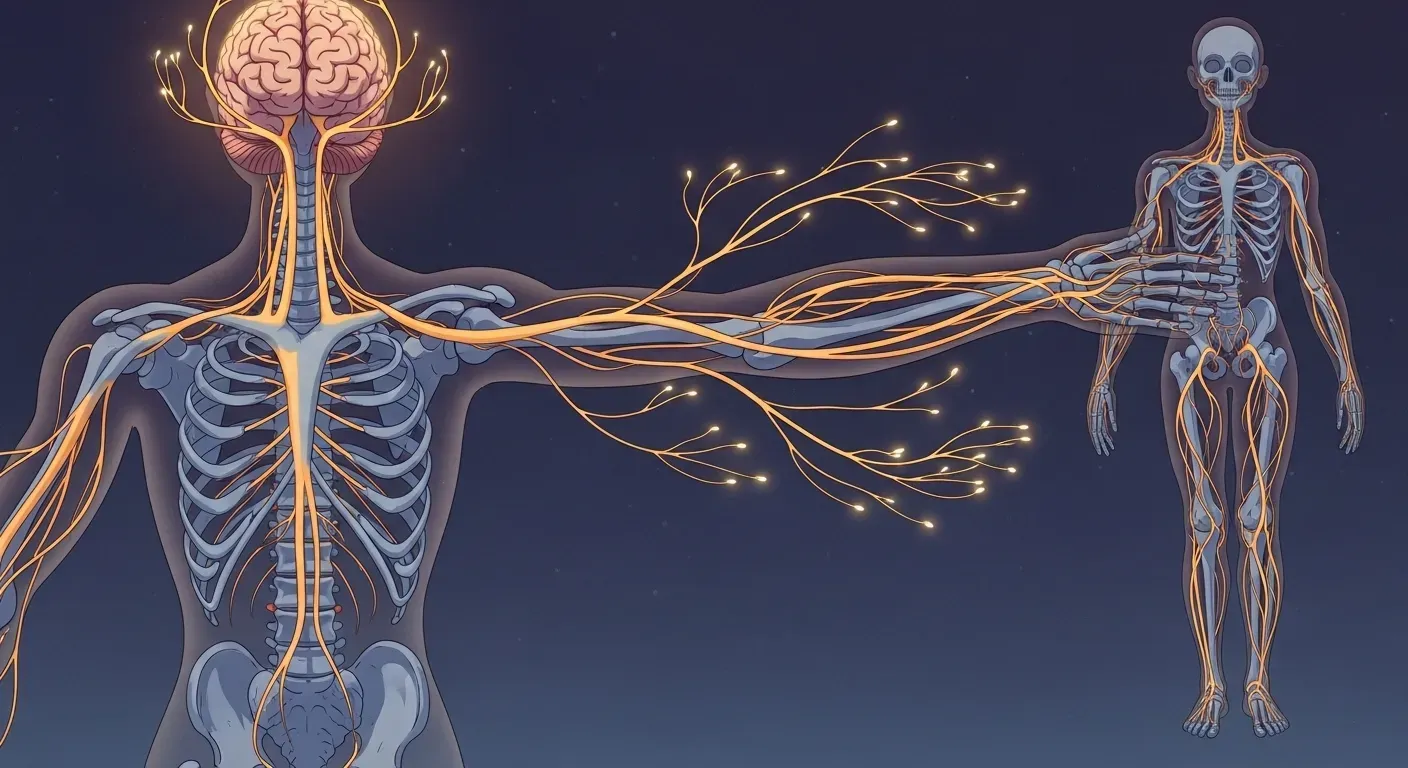
Peripheral nerve damage occurs when nerves outside the brain and spinal cord become injured or stop functioning normally. The peripheral nervous system includes a complex network of nerves extending throughout the arms, legs, skin, muscles, and internal organs. Peripheral nerves can be broadly divided according to the functions they perform:
Sensory nerves transmit information from the body to the brain, including pain, temperature, touch, and pressure.
Motor nerves carry signals from the brain and spinal cord to muscles, allowing movement.
Autonomic nerves regulate involuntary functions such as heart rate, digestion, sweating, and blood pressure.
Damage to one or more of these nerve groups can produce different symptoms and complications.
Types of Peripheral Nerve Damage Based on the Affected Nerves
Sensory Nerve Damage
Sensory neuropathy affects nerves responsible for transmitting sensations from the body to the brain. It commonly causes abnormal or reduced sensation in the hands and feet.
Symptoms may include numbness, tingling, burning sensations, increased sensitivity to touch, or sharp and shooting pain. Some patients may have difficulty distinguishing hot from cold or may not notice minor injuries to their feet.
Diabetes is one of the most common causes of sensory peripheral neuropathy. However, nutritional deficiencies, chemotherapy, alcohol use, infections, and certain neurological disorders can also contribute to sensory nerve damage.
Motor Nerve Damage
Motor nerves control voluntary muscle movements. When these nerves are damaged, communication between the nervous system and muscles can become impaired.
Motor neuropathy may cause muscle weakness, cramps, twitching, reduced coordination, and difficulty performing everyday movements. In more severe cases, prolonged nerve damage can contribute to muscle wasting, also known as muscle atrophy.
Motor nerve damage can result from traumatic injuries, compression, inflammatory disorders, inherited neurological conditions, and other diseases affecting peripheral nerves.
Autonomic Nerve Damage
Autonomic nerves control functions that normally occur without conscious effort. These include digestion, heart rate, blood pressure, sweating, bladder function, and sexual function.
Autonomic neuropathy can therefore produce a wide variety of symptoms. Patients may experience dizziness when standing because of abnormal blood-pressure regulation, excessive or reduced sweating, digestive problems, difficulty controlling the bladder, or changes in sexual function.
Diabetes is a common cause of autonomic neuropathy, although other diseases and conditions can also damage these nerves.
Types of Nerve Injury Based on Severity
Peripheral nerve injuries can also be classified according to how severely the nerve has been damaged. A commonly used classification includes:
Neurapraxia
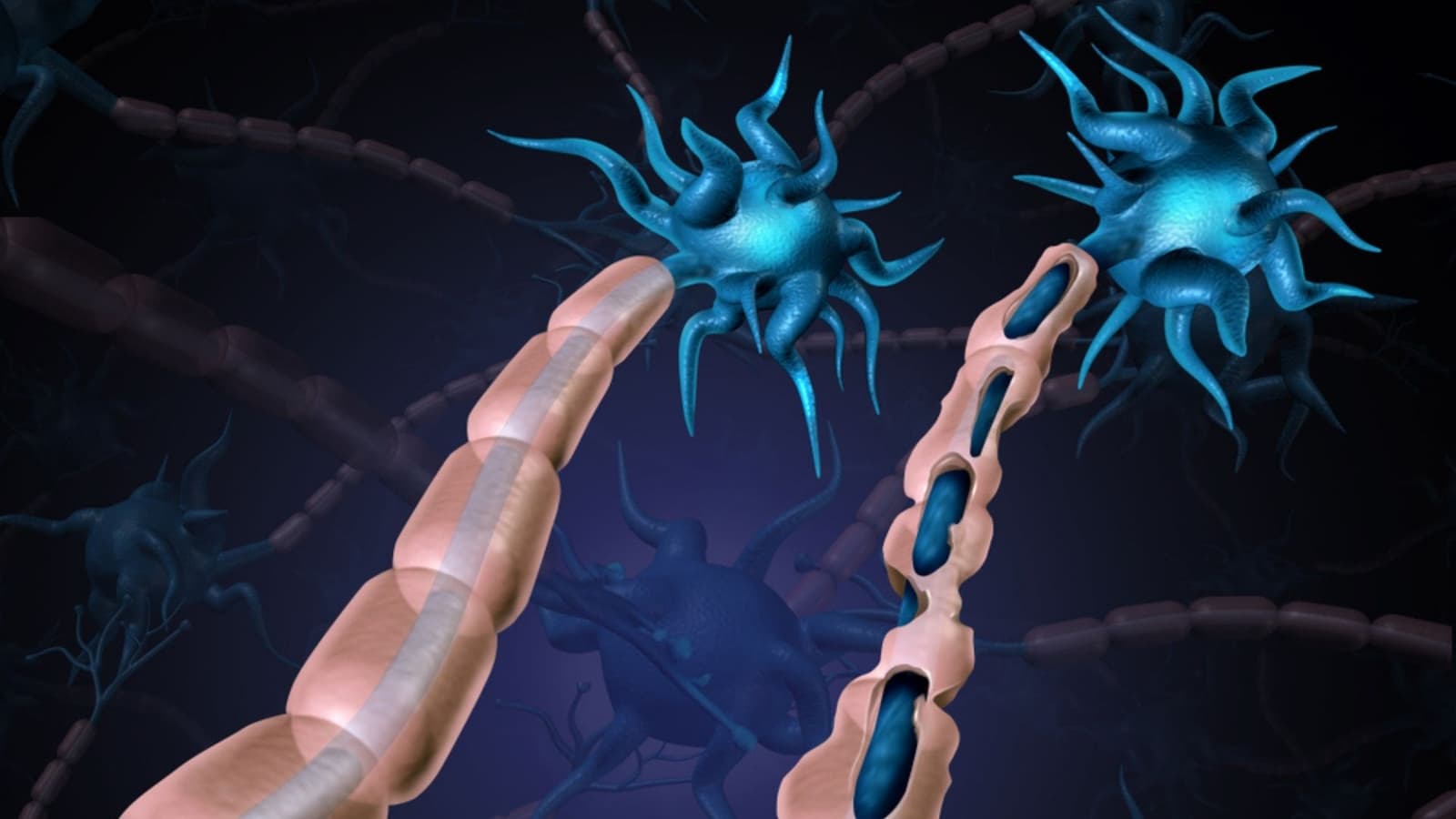
Neurapraxia is generally considered the mildest form of peripheral nerve injury. The nerve remains structurally intact, but its ability to conduct electrical signals is temporarily disrupted.
It can occur following compression, stretching, or a minor injury. Symptoms may include temporary weakness, numbness, or abnormal sensations.
Because the nerve structure remains largely preserved, neurapraxia often has a favorable prognosis, and function may return gradually as the nerve recovers.
Axonotmesis
Axonotmesis is a more significant nerve injury in which the axon, the part of the nerve responsible for transmitting electrical signals, is damaged. However, some of the surrounding connective tissue structures remain intact.
This type of injury can occur following substantial compression, stretching, or trauma. Recovery may be possible because the remaining nerve structures can provide a pathway for axonal regeneration.
However, recovery is usually slower than with neurapraxia and may take months or longer, depending on the location and severity of the injury.
Physical therapy and rehabilitation may be important during recovery to maintain muscle function and prevent stiffness or other complications.
Neurotmesis
Neurotmesis represents the most severe form of peripheral nerve injury. In this situation, the nerve and its supporting structures are completely disrupted.
Severe traumatic injuries, including certain lacerations or crush injuries, can result in neurotmesis. Without appropriate treatment, spontaneous functional recovery is unlikely.
Depending on the location and extent of the injury, surgical treatment may be necessary. Procedures can include direct nerve repair, nerve grafting, or nerve transfer. Early evaluation by a peripheral nerve or reconstructive surgeon can be important when a severe nerve injury is suspected.
Common Causes of Peripheral Nerve Damage
Peripheral nerve damage has many possible causes. Trauma is an important cause, particularly when a nerve is cut, stretched, compressed, or damaged during an accident. Other causes include:
Diabetes: High blood sugar over time can damage peripheral nerves.
Nerve compression: Conditions such as carpal tunnel syndrome can compress individual nerves.
Infections: Certain bacterial and viral infections may affect peripheral nerves.
Autoimmune diseases: Some immune-system disorders can cause inflammation and nerve injury.
Vitamin deficiencies: Inadequate levels of certain vitamins, particularly vitamin B12, may contribute to neuropathy.
Medications and chemotherapy: Some medications can cause peripheral nerve toxicity.
Alcohol misuse: Long-term excessive alcohol consumption may contribute to nerve damage.
Inherited disorders: Certain genetic conditions can progressively affect peripheral nerves.
Tumors: A tumor may directly affect a nerve or compress surrounding nerve structures.
Identifying the underlying cause is an important part of treatment because addressing the cause may prevent further nerve damage.
Symptoms of Peripheral Nerve Damage
Symptoms depend on the type and location of the affected nerves. Common symptoms include numbness, tingling, burning pain, sensitivity to touch, electric-shock-like sensations, muscle weakness, cramps, and problems with coordination.
Patients with autonomic nerve involvement may experience symptoms such as abnormal sweating, digestive problems, dizziness, changes in blood pressure, or bladder and sexual difficulties. Symptoms may develop gradually or appear suddenly after an injury. They can also affect one specific area of the body or occur symmetrically in the hands and feet.
Progressive, severe, or unexplained symptoms should be evaluated by a medical professional.
How Is Peripheral Nerve Damage Diagnosed?
Diagnosis usually begins with a detailed medical history and neurological examination. The doctor may evaluate muscle strength, reflexes, sensation, coordination, and the distribution of symptoms.
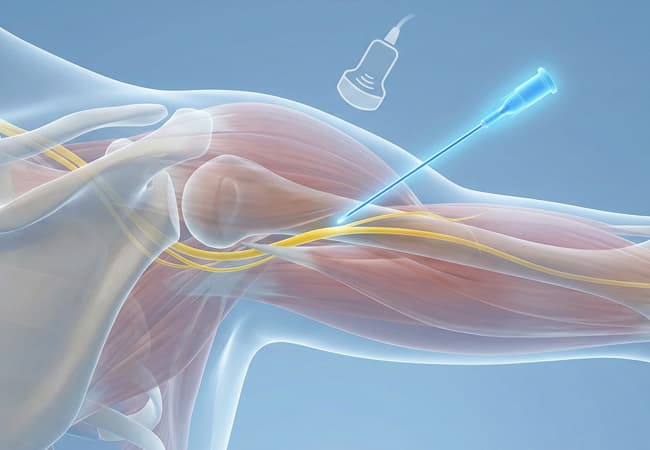
Additional tests may be recommended depending on the suspected cause. Nerve conduction studies and electromyography (EMG) can assess how effectively electrical signals travel through nerves and how muscles respond to nerve stimulation. Imaging studies such as MRI or ultrasound may help identify structural problems, nerve compression, tumors, or traumatic injuries. Blood tests can also help identify conditions such as diabetes, vitamin deficiencies, infections, or autoimmune disorders.
Treatment for Peripheral Nerve Damage
Treatment depends on the cause, severity, affected nerves, and whether the injury is likely to recover without intervention.
For some patients, treating the underlying condition is the primary goal. For example, improving blood-glucose control may help prevent further diabetic nerve damage.
Medications may be used to manage neuropathic pain. Physical and occupational therapy can help improve strength, mobility, balance, and the ability to perform everyday activities.
For severe traumatic nerve injuries, surgery may be considered. Depending on the injury, surgical options can include nerve repair, nerve grafting, or nerve transfer. The objective is to restore communication between the nerve and the muscles or sensory areas it supplies.
Rehabilitation is often an important part of recovery, particularly after nerve surgery. Because peripheral nerves regenerate slowly, functional improvement may take considerable time.
Conclusion
Peripheral nerve damage can affect sensory, motor, and autonomic functions and may range from a temporary disturbance to a severe injury requiring surgery. Sensory nerve damage can cause numbness and abnormal sensations, while motor nerve damage may result in weakness and muscle loss. Autonomic nerve damage can interfere with important involuntary functions. The appropriate treatment depends on the underlying cause, location, severity, and overall health of the patient.
Read More