About Peripheral Nerve Surgery
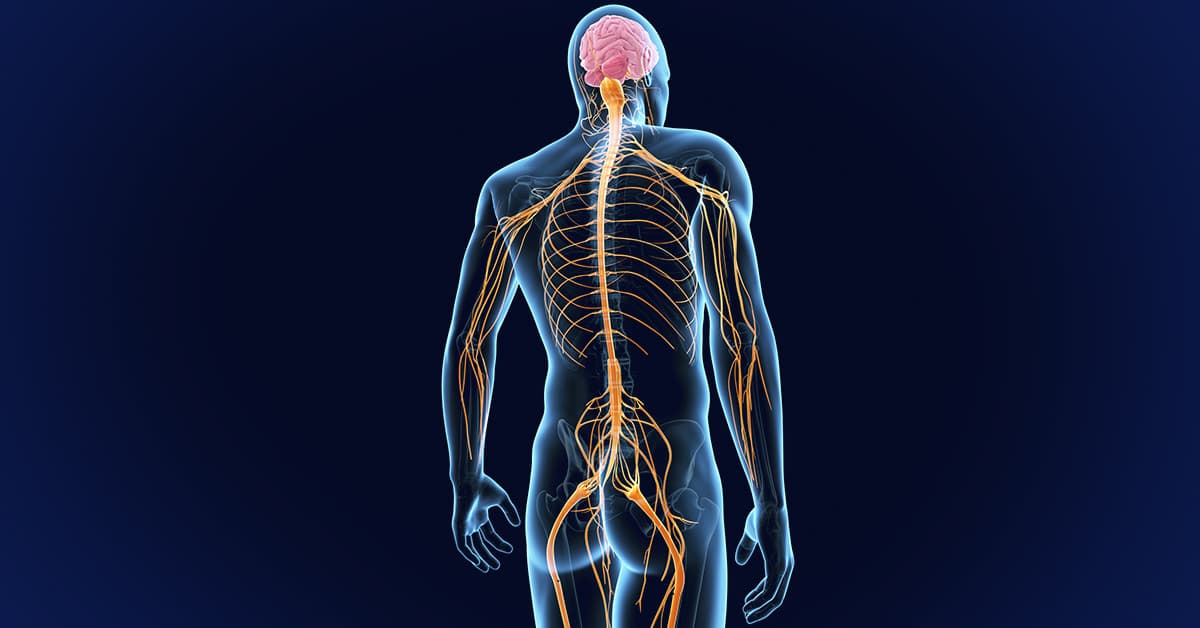
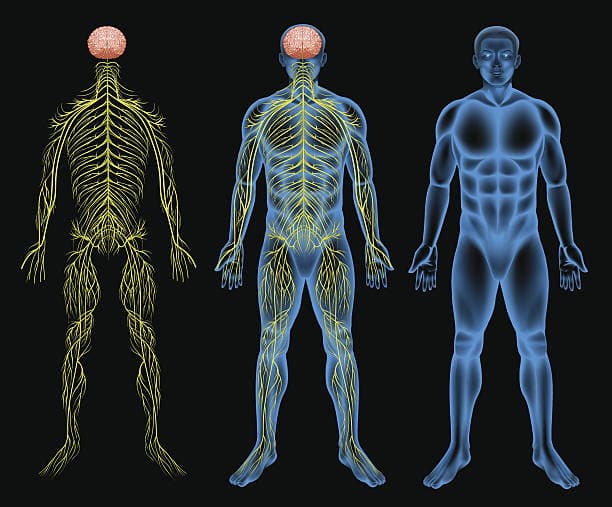
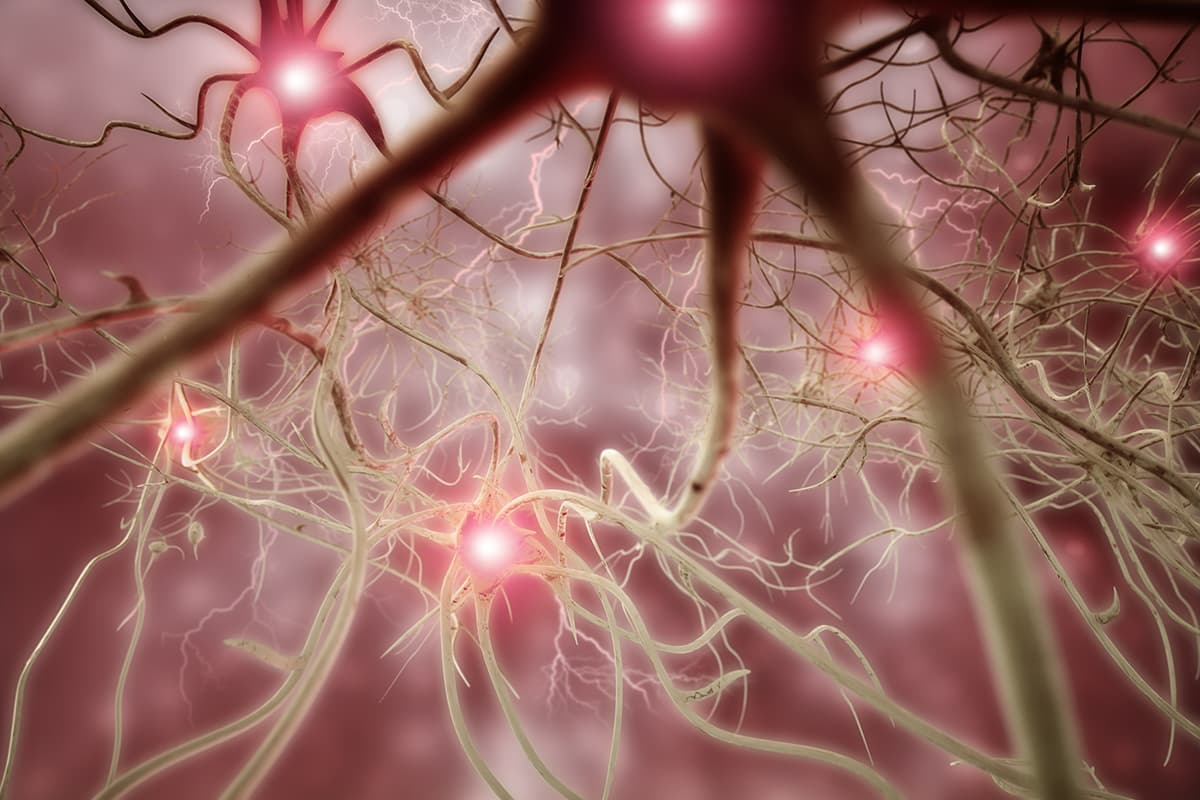
Peripheral nerve surgery is a specialized medical field that focuses on diagnosing and treating disorders affecting the peripheral nervous system. The peripheral nervous system includes all the nerves outside the brain and spinal cord, responsible for transmitting signals between the central nervous system and the rest of the body.
What is Peripheral nerve surgery?
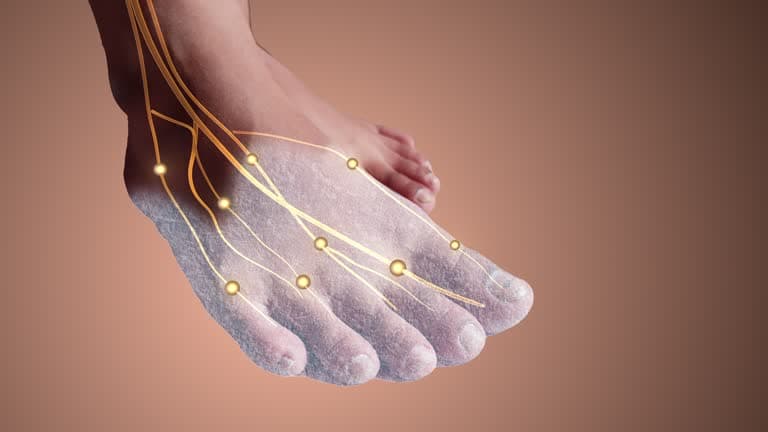
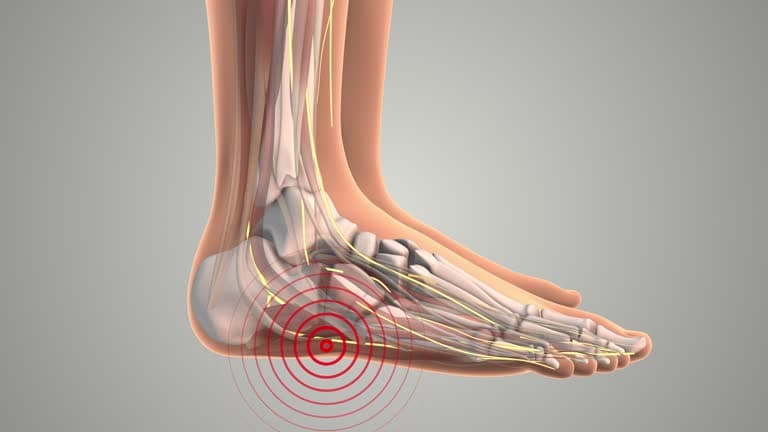
Peripheral nerve surgery is a specialized medical field that focuses on diagnosing and treating disorders affecting the peripheral nervous system, which includes all the nerves outside the brain and spinal cord. These nerves play a crucial role in transmitting signals between the central nervous system and the rest of the body, enabling movement, sensation, and autonomic functions. Peripheral nerve disorders can result from various causes, including traumatic injuries, entrapment syndromes, tumors, and chronic conditions that lead to nerve dysfunction.
The goal of peripheral nerve surgery is to restore normal nerve function, relieve pain, and improve the patient's quality of life. Surgeons in this field use a variety of techniques to address different types of nerve damage. For example, in cases of nerve injuries caused by trauma, procedures such as nerve repair, nerve grafting, or nerve transfer may be performed. These techniques involve reconnecting severed nerves, using donor nerve tissue to bridge gaps, or redirecting healthy nerves to restore function to the affected area.
Entrapment neuropathies, such as carpal tunnel syndrome or cubital tunnel syndrome, occur when nerves are compressed or pinched by surrounding tissues. Surgical decompression procedures aim to relieve this pressure by releasing the constricting structures, thereby alleviating symptoms and preventing further nerve damage. Tumors affecting peripheral nerves, whether benign or malignant, may require surgical removal to preserve or restore nerve function and prevent complications.
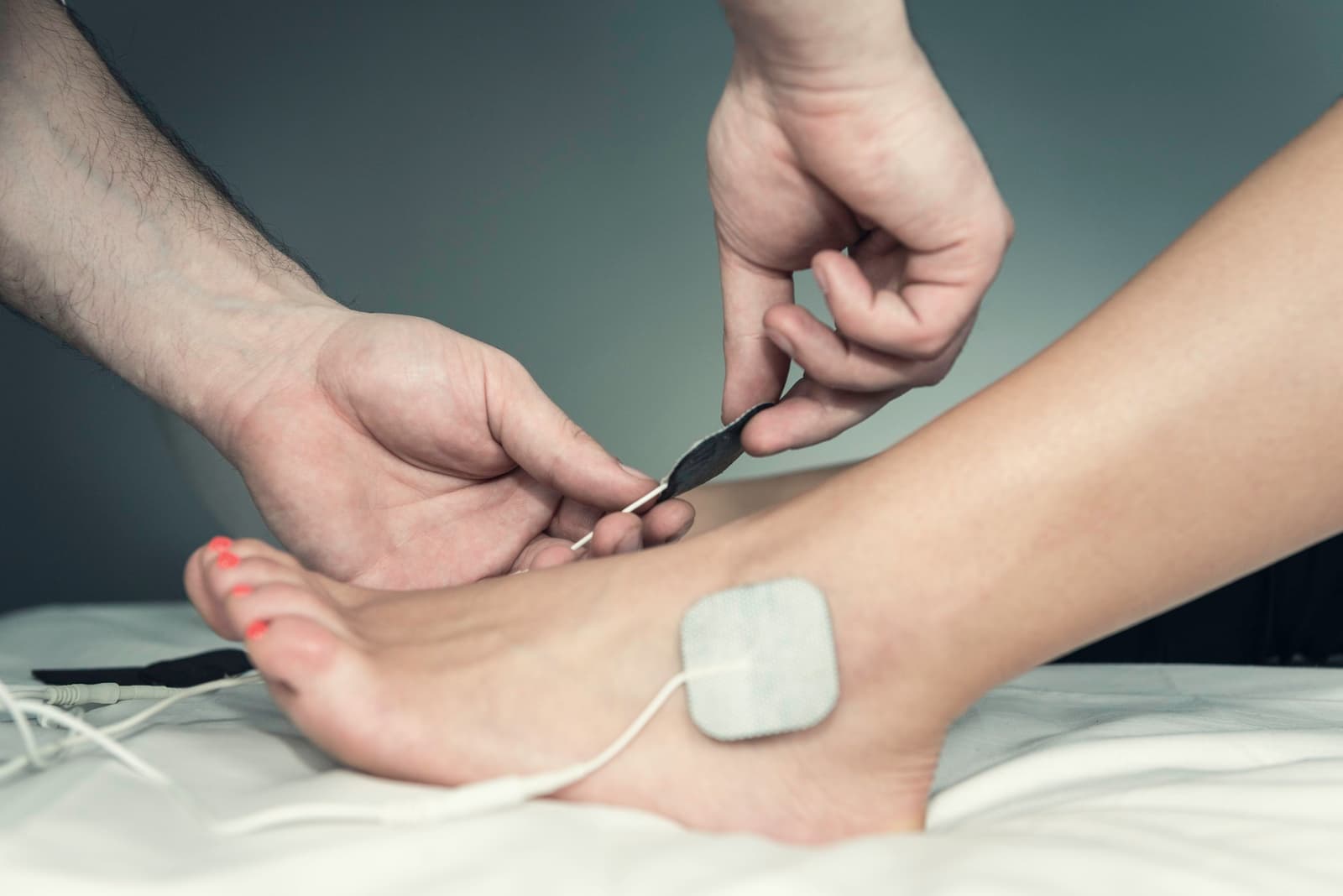
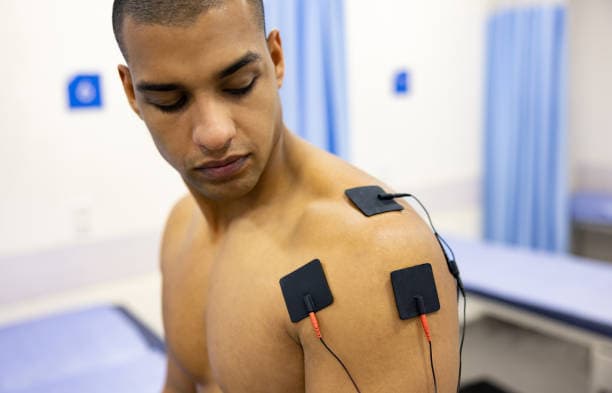
Advancements in diagnostic tools, such as electromyography (EMG) and nerve conduction studies, play a significant role in peripheral nerve surgery. These tests help pinpoint the exact location and extent of nerve damage, allowing surgeons to plan and execute precise interventions. Imaging techniques like MRI and ultrasound further enhance the ability to visualize nerves and surrounding structures, aiding in accurate diagnosis and treatment planning.
Peripheral nerve surgery can range from minimally invasive procedures to more complex reconstructive surgeries, depending on the specific condition and its severity. The success of these surgeries largely depends on timely and accurate diagnosis, the surgeon's expertise, and the patient's adherence to post-operative care and rehabilitation protocols. Rehabilitation, including physical and occupational therapy, is often a critical component of recovery, helping patients regain strength, function, and mobility.