

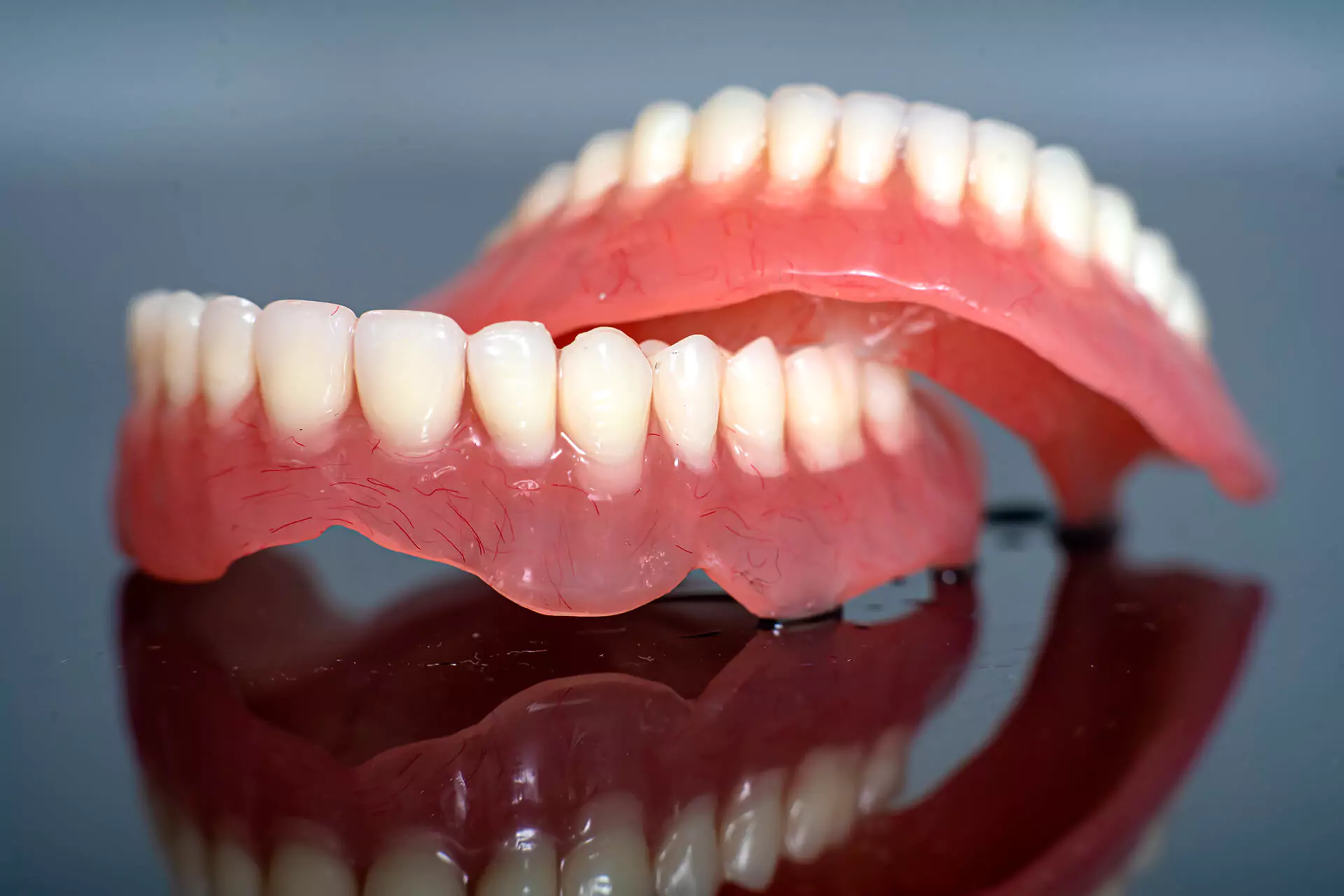
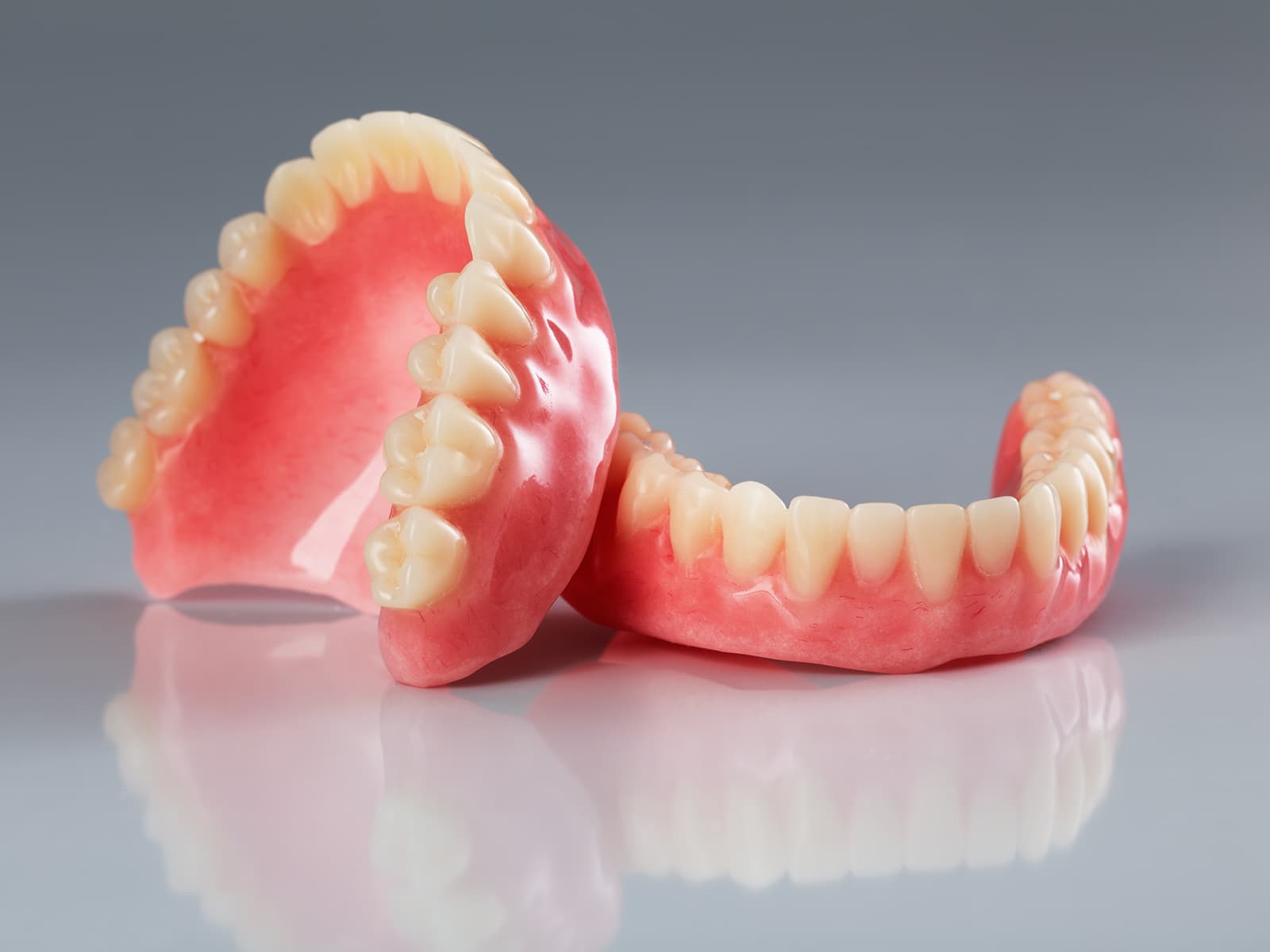
Dentures are removable dental appliances designed to replace missing teeth and restore important oral functions such as chewing and speaking. They can replace several missing teeth or, in the case of complete dentures, an entire arch of teeth. Modern dentures are designed to resemble natural teeth and gums, helping restore both oral function and appearance.
Tooth loss can occur because of tooth decay, gum disease, trauma, certain medical conditions, or age-related changes. Regardless of the cause, missing teeth can affect more than appearance. They may make eating difficult, alter speech, and affect confidence.
How Do Dentures Work?
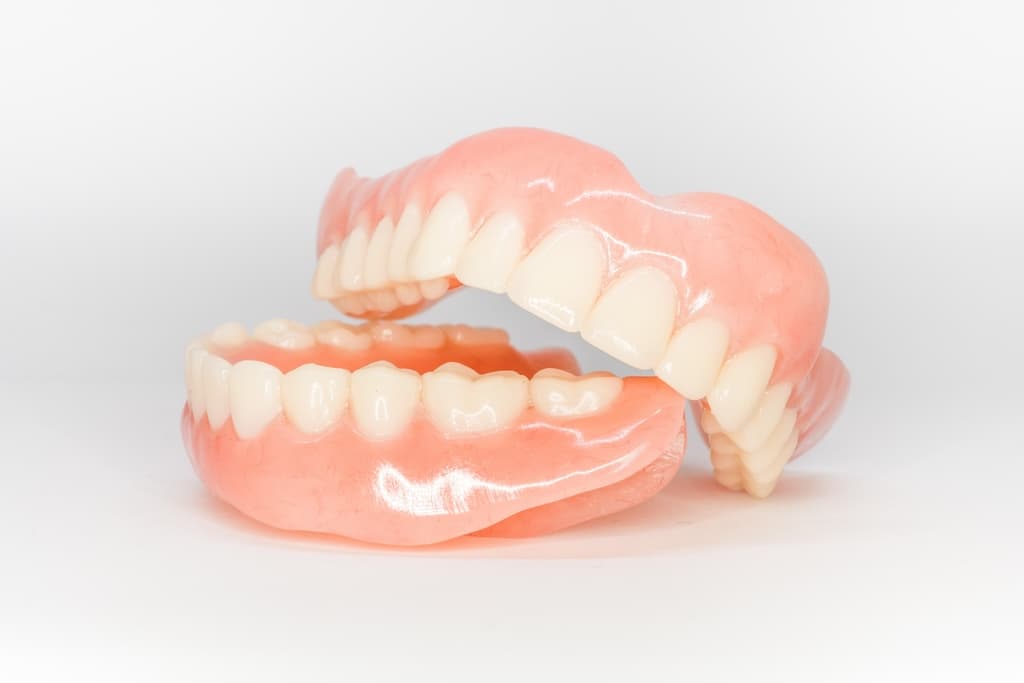
Dentures replace missing natural teeth with artificial teeth attached to a supporting base. The base is designed to resemble gum tissue and is typically made from acrylic or other dental materials. Depending on the type of denture, the appliance may rest directly on the gums or be supported by remaining natural teeth or dental implants. Dentures are custom-made based on the patient's mouth, bite, facial structure, and individual needs.
Unlike dental implants, which are surgically placed into the jawbone, conventional dentures are removable. Patients can usually take them out for cleaning and, depending on their dentist's instructions, while sleeping.
What Are the Main Types of Dentures?
Dentures come in several forms. The appropriate option depends on how many teeth are missing, the condition of the remaining teeth and gums, jawbone structure, and the patient's overall oral health.
Complete Dentures
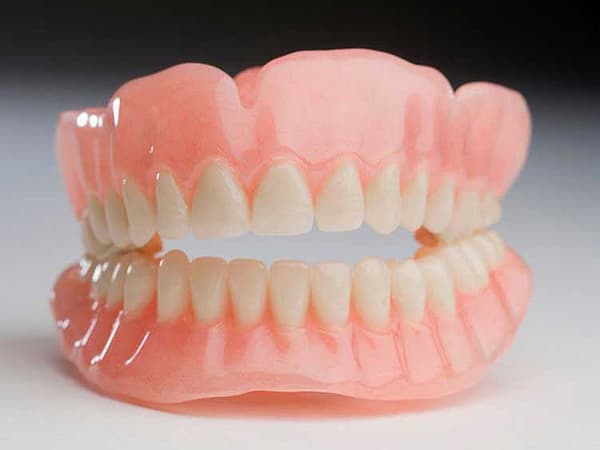
Complete dentures, also called full dentures, are used when all natural teeth are missing from an upper or lower dental arch. An upper complete denture covers the upper gums and palate and is generally held in place through a combination of suction, anatomical fit, and oral structures. Lower dentures are shaped differently because they must accommodate the tongue and other structures in the lower jaw. Complete dentures can restore basic chewing and speaking functions while also supporting facial appearance.
Partial Dentures
Partial dentures are designed for people who have some natural teeth remaining. They replace missing teeth while fitting around the existing teeth. Depending on the design, partial dentures may use clasps or other components to improve stability. They can be useful when several teeth are missing but some healthy natural teeth remain. A partial denture may also help prevent remaining teeth from shifting into spaces created by missing teeth.
Implant-Supported Dentures
Implant-supported dentures combine removable dentures with dental implants. Rather than resting entirely on the gums, the denture is attached to implants that have been surgically placed into the jawbone. Implant support can provide greater stability than conventional removable dentures, particularly for lower dentures, which can sometimes move during speaking or eating. The number and position of implants required vary according to the patient's anatomy and treatment plan. Implant-supported dentures are therefore different from conventional dentures and require an assessment of bone quality, oral health, and overall suitability for implant surgery.
Immediate Dentures
Immediate dentures are prepared before the remaining teeth are extracted and can be placed shortly after tooth removal. They can help patients avoid being without teeth during the initial healing period. Because the gums and underlying tissues can change shape as they heal following extractions, immediate dentures may require adjustments or replacement with a more definitive denture after healing.
Who May Need Dentures?
Dentures may be considered for people who have lost multiple teeth or all of their teeth. Tooth loss can result from several causes, including advanced gum disease, extensive tooth decay, injuries, or other oral health problems. A dentist evaluates the condition of the remaining teeth, gums, jawbone, and bite before recommending dentures.
Dentures may be particularly useful when a patient needs to replace many missing teeth and wants a removable treatment option. However, they are not automatically the best solution for every patient. Alternatives such as bridges or dental implants may also be considered.
What Are the Benefits of Dentures?
Dentures can provide several functional and cosmetic benefits.
Restoring the Ability to Chew: Missing teeth can make it difficult to bite and chew certain foods. Dentures can restore some of this function by providing artificial teeth that can break down food. However, patients generally need time to adapt to eating with dentures. Certain hard, sticky, or very chewy foods may remain difficult depending on the type and stability of the denture.
Improving Speech: Missing teeth can affect pronunciation, particularly for sounds that involve the tongue and teeth. Dentures can help restore the structures needed for normal speech. It is common for speech to feel slightly different when a person first receives dentures. Practicing speaking and reading aloud can help many patients adapt.
Supporting Facial Appearance: Natural teeth provide support for the lips and cheeks. Significant tooth loss can change facial appearance by reducing this support. Well-designed dentures can help restore some of the lost facial support and create a more natural appearance.
Replacing Missing Teeth Without Permanent Surgery: Conventional dentures are removable and do not require surgical placement into the jawbone. This can make them an option for patients who are not suitable candidates for certain surgical treatments or who prefer a removable solution.
What Is the Process of Getting Dentures?
Getting dentures generally involves several stages.
First, the dentist examines the patient's mouth and discusses their dental history, goals, and available treatment options. Existing teeth that cannot be preserved may need to be removed before a complete denture is provided.
The dentist then takes impressions or digital scans of the mouth. These records help the dental laboratory create a denture that fits the patient's oral anatomy.
Depending on the treatment, patients may receive a temporary or trial version before the final denture is produced. The dentist checks factors such as fit, bite, appearance, and comfort.
Once the final denture is ready, it is placed and adjusted. Follow-up appointments may be necessary because even a carefully designed denture can require adjustments after the patient begins using it.
Is It Difficult to Get Used to Dentures?
It can take some time to become comfortable wearing dentures. During the adjustment period, patients may experience increased saliva production, mild irritation, difficulty speaking, or challenges eating certain foods.
Starting with softer foods and cutting food into smaller pieces may make the transition easier. Speaking regularly can also help patients become accustomed to the appliance. If a denture causes persistent pain, significant irritation, or difficulty eating, it should be evaluated by a dentist rather than simply tolerated.
How Should Dentures Be Cleaned?
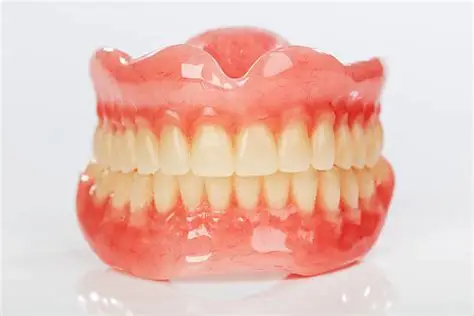
Proper denture care is essential for maintaining oral health and prolonging the life of the appliance. Dentures should generally be cleaned regularly to remove food particles and plaque. They can be cleaned using a soft denture brush and products specifically intended for dentures.
Patients should avoid using abrasive household cleaners or very hot water unless specifically instructed by their dental professional, as these can damage or distort the appliance. The mouth should also be cleaned even when all natural teeth have been replaced. Gently cleaning the gums, tongue, and palate can help maintain oral hygiene. If a patient still has natural teeth, those teeth require normal brushing with fluoride toothpaste and appropriate cleaning between the teeth.
Should Dentures Be Removed at Night?
Many dentists recommend removing removable dentures at night to allow the gums and oral tissues to rest. Dentures can then be cleaned before being stored appropriately. Patients should follow their dentist's specific instructions because recommendations can differ depending on the type of denture and individual circumstances.
How Long Do Dentures Last?
Dentures are not permanent and may eventually need adjustment, repair, or replacement. Changes in the gums and jawbone can occur over time, particularly after tooth extraction. These changes can affect how well an existing denture fits. A denture that becomes loose, uncomfortable, cracked, or damaged should be examined by a dental professional. Regular dental visits are also important because the condition of the gums, remaining teeth, and oral tissues can change over time.
Dentures vs. Dental Implants
Dentures and dental implants replace missing teeth in different ways. Conventional dentures are removable and sit on the gums. Dental implants are surgically placed into the jawbone and can support individual crowns, bridges, or implant-supported dentures. Implants generally require sufficient bone and involve a surgical procedure, while conventional dentures do not require implant surgery. The choice depends on factors such as the number of missing teeth, oral health, jawbone condition, budget, personal preferences, and suitability for surgery. A dentist can assess these factors and explain which options may be appropriate.
Conclusion
Dentures are removable dental appliances used to replace missing teeth and restore important functions such as chewing and speaking. They are available in several forms, including complete dentures, partial dentures, immediate dentures, and implant-supported dentures. Although adapting to dentures can take time, a properly designed and fitted appliance can improve oral function and appearance. Maintaining good oral hygiene and caring for the denture correctly are essential for comfort and long-term use.
Read More