

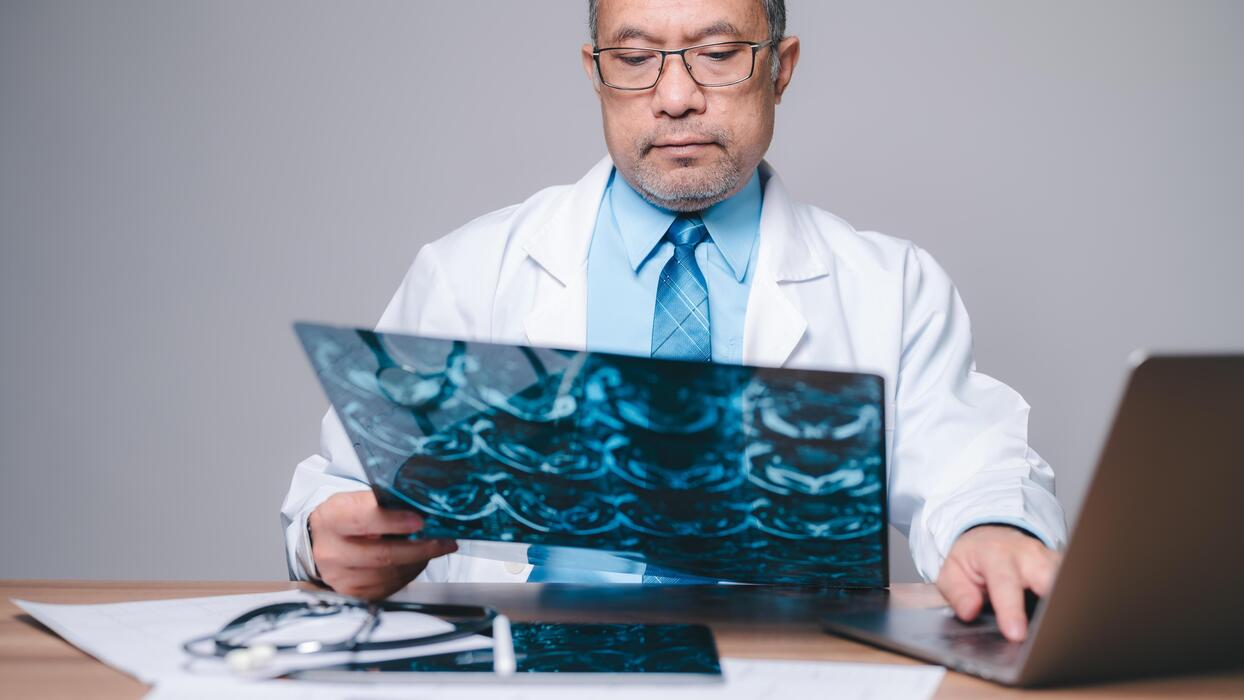
In modern healthcare, accurate diagnosis is the foundation of effective treatment. Before any therapy, surgery, or medical intervention can begin, physicians rely on a range of laboratory and diagnostic tests to understand a patient’s condition in detail. These tests provide critical insights into the body’s internal functions, helping doctors detect diseases, monitor progress, and tailor personalized treatment plans.
What Are Laboratory & Diagnostic Tests?
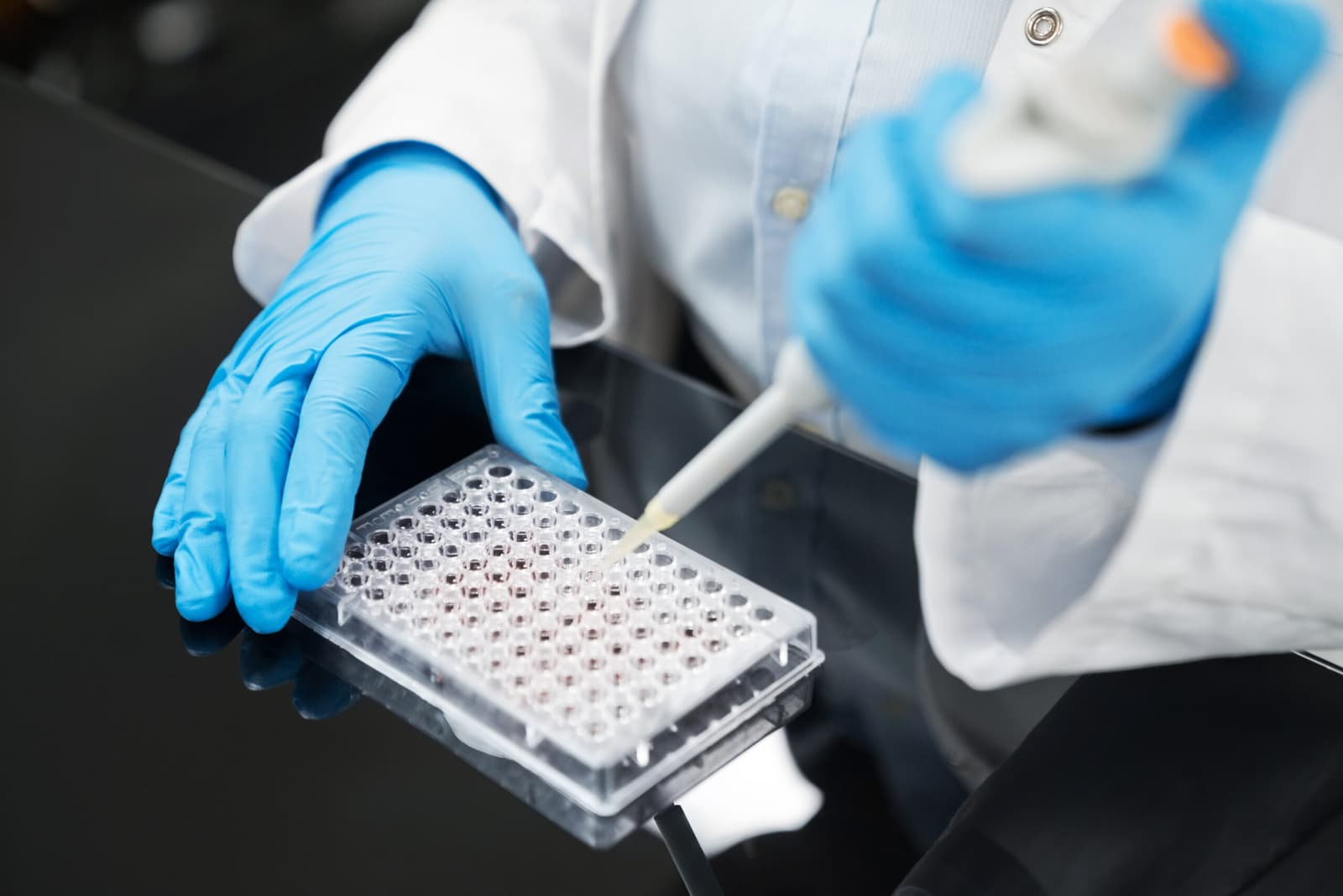
Laboratory and diagnostic tests are medical procedures used to collect and analyze data about a patient’s health. They help identify diseases, assess organ function, and guide treatment decisions. Laboratory tests typically involve analyzing samples taken from the body, such as blood, urine, tissue, or other fluids. These tests are performed in specialized labs using advanced equipment and techniques.
Diagnostic tests, on the other hand, often include imaging and functional evaluations that provide visual or measurable information about the body’s internal structures and systems. These tests may involve machines, scanners, or monitoring devices.

Types of Laboratory Tests
Laboratory tests are among the most commonly used tools in medicine. They are essential for detecting infections, evaluating organ performance, and identifying abnormalities.
Blood Tests: Blood tests are one of the most widely used laboratory tests. They can measure various components such as red and white blood cells, hemoglobin levels, glucose, cholesterol, and electrolytes. These tests help diagnose conditions like anemia, diabetes, infections, and cardiovascular diseases.
Urine Tests: Urinalysis evaluates the physical and chemical properties of urine. It is commonly used to detect kidney disorders, urinary tract infections, and metabolic conditions.
Biopsy and Histopathology: A biopsy involves removing a small sample of tissue for examination under a microscope. This test is crucial for diagnosing cancers and other abnormal tissue changes.
Microbiology Tests: These tests identify bacteria, viruses, fungi, or parasites in the body. They are essential for diagnosing infections and determining the most effective treatment.
Genetic Testing: Genetic tests analyze DNA to identify inherited conditions, mutations, or predispositions to certain diseases. These tests are increasingly important in personalized medicine.
Types of Diagnostic Tests
Diagnostic tests go beyond lab analysis and often involve imaging or monitoring body functions.
Imaging Tests: Imaging techniques allow doctors to see inside the body without surgery. Common examples include X-rays, ultrasound, CT scans, and MRI scans. These tests are used to detect fractures, tumors, organ abnormalities, and more.
Cardiac Tests: Tests such as electrocardiograms (ECG) and echocardiograms assess heart function. They help detect irregular heart rhythms, structural issues, and cardiovascular diseases.
Endoscopy: Endoscopy involves inserting a thin, flexible tube with a camera into the body to examine internal organs. It is commonly used to evaluate the digestive tract, lungs, or urinary system.
Functional Tests: These tests measure how well specific organs or systems are working. For example, pulmonary function tests assess lung capacity, while stress tests evaluate heart performance under physical exertion.

Why Are These Tests Important?
Laboratory and diagnostic tests play a crucial role in healthcare for several reasons:
Early Detection: Many diseases can be identified before symptoms appear, increasing the chances of successful treatment.
Accurate Diagnosis: These tests help confirm or rule out medical conditions.
Treatment Planning: Doctors use test results to design personalized treatment strategies.
Monitoring Progress: Tests track how well a treatment is working and whether adjustments are needed.
Prevention: Regular screenings can identify risk factors and prevent serious health issues.
What to Expect During Laboratory & Diagnostic Tests
The process of undergoing laboratory and diagnostic tests is generally straightforward, but it can vary depending on the type of test.
Preparation: Some tests require fasting, avoiding certain medications, or following specific instructions beforehand.
Sample Collection: This may involve drawing blood, collecting urine, or taking tissue samples.
Procedure: Imaging or functional tests may require you to lie still, hold your breath, or follow instructions from medical staff.
Duration: Most tests are quick, but some imaging procedures or biopsies may take longer.
Results: Depending on the test, results may be available within hours, days, or longer.
Healthcare providers usually guide patients through each step to ensure comfort and accuracy.

Risks and Considerations
While laboratory and diagnostic tests are generally safe, there are some considerations to keep in mind:
Minimal Discomfort: Blood tests or biopsies may cause slight discomfort or bruising.
Radiation Exposure: Some imaging tests, such as CT scans, involve low levels of radiation.
Allergic Reactions: Rarely, patients may react to contrast dyes used in imaging.
Accuracy Limitations: No test is 100% accurate, and results must be interpreted by qualified professionals.
Discussing any concerns with your healthcare provider can help minimize risks and ensure a safe experience.
Conclusion
Laboratory and diagnostic tests are essential tools in modern medicine, forming the backbone of accurate diagnosis and effective treatment. From simple blood tests to advanced imaging techniques, these procedures provide vital insights into a patient’s health, enabling doctors to make informed decisions.
Read More