

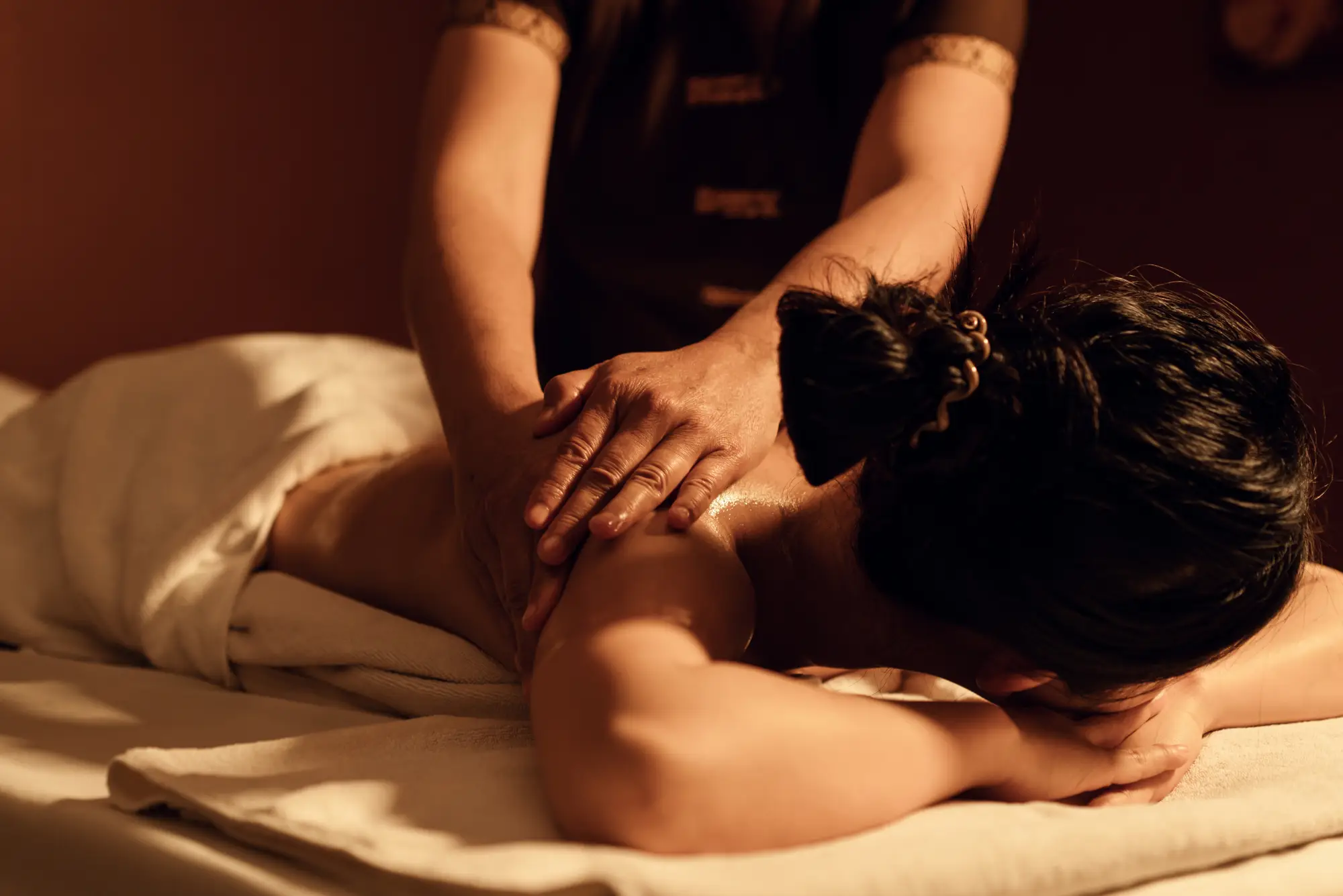
Massage therapy is a hands-on treatment that involves manipulating the body's soft tissues, including muscles, tendons, ligaments, and connective tissues. It has been practiced in different forms for centuries and is now widely used as a complementary approach to healthcare, rehabilitation, relaxation, and general well-being.
People seek massage therapy for many different reasons. Some want to reduce muscle tension after physical activity, while others use it to manage stress, improve relaxation, or support recovery from certain injuries. Although massage therapy can provide meaningful benefits for many people, it is not appropriate for every condition.
What Is Massage Therapy?
Massage therapy involves applying techniques such as kneading, stroking, pressure, friction, and manipulation to muscles and other soft tissues. The exact approach varies depending on the type of massage and the patient's goals.
Common types include Swedish massage, deep-tissue massage, sports massage, therapeutic massage, and some specialized techniques. The pressure and techniques used should be adapted to the individual's health, physical condition, and treatment objectives. Massage therapy may be used as a standalone wellness treatment or alongside conventional medical care and physical rehabilitation.
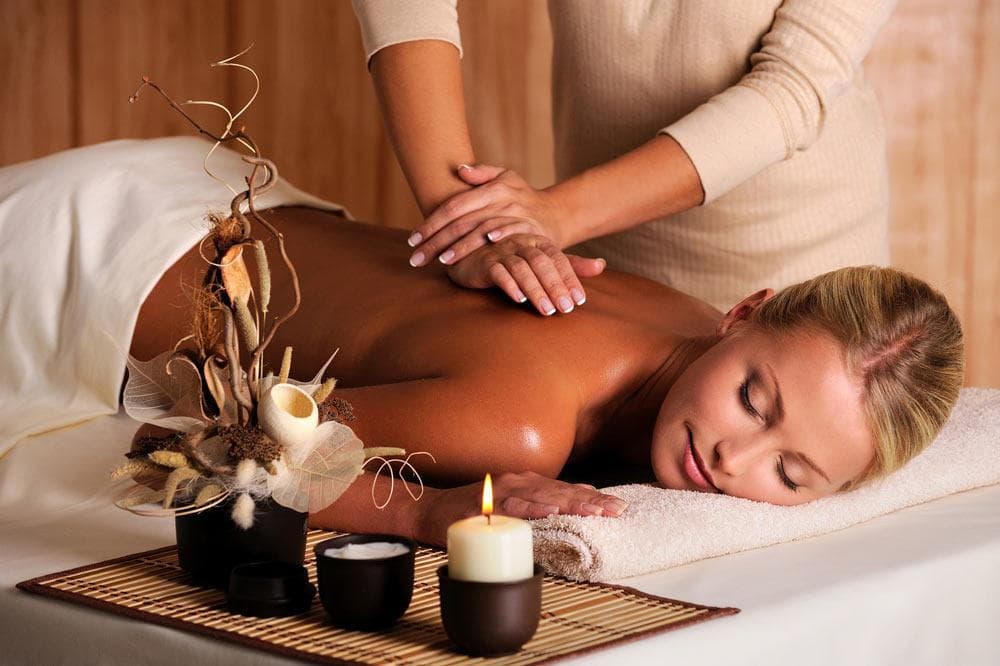
Benefits of Massage Therapy
May Help Reduce Muscle Tension
One of the most recognized benefits of massage therapy is its potential to reduce muscle tension. Long periods of sitting, repetitive movements, physical activity, poor posture, and exercise can contribute to tight or uncomfortable muscles. Massage techniques can manipulate soft tissues and may help people feel less tense and more comfortable. For people who regularly participate in sports or physically demanding activities, massage may also be incorporated into a broader recovery routine.
May Help Relieve Certain Types of Pain
Massage therapy may provide short-term relief for some types of musculoskeletal pain. It is sometimes used as part of a broader approach to conditions involving the back, neck, shoulders, or other soft tissues. By working on tense muscles and surrounding tissues, massage may help improve comfort and mobility for some individuals. The effectiveness varies depending on the underlying cause of pain. Massage is not a substitute for diagnosis and treatment when pain is caused by a serious injury, neurological condition, infection, or another medical problem.
May Promote Relaxation
Relaxation is another major reason people choose massage therapy. A massage session typically takes place in a calm environment and involves rhythmic, controlled movements that may encourage physical and mental relaxation. Many people report feeling calmer after a session. Massage may therefore be incorporated into wellness programs for people looking to take time away from daily demands and support general relaxation.
May Help Reduce Stress
Chronic stress can affect both physical and emotional well-being. Muscle tension, headaches, poor sleep, and fatigue can sometimes accompany periods of increased stress. Massage therapy may help people relax and temporarily reduce feelings of tension. Some research has also investigated its effects on stress-related physiological responses. It is important to remember that massage is not a primary treatment for mental health disorders. People experiencing persistent anxiety, depression, or severe stress should seek appropriate professional care.
May Support Sleep and Rest
Relaxation following massage may help some people sleep more comfortably. People who experience muscle tension or stress may find it easier to relax after a massage session. Some studies have examined massage as a complementary approach for improving sleep quality in specific populations. Nevertheless, chronic insomnia can have many underlying causes. Persistent sleep problems should be discussed with a healthcare professional rather than managed exclusively through massage.
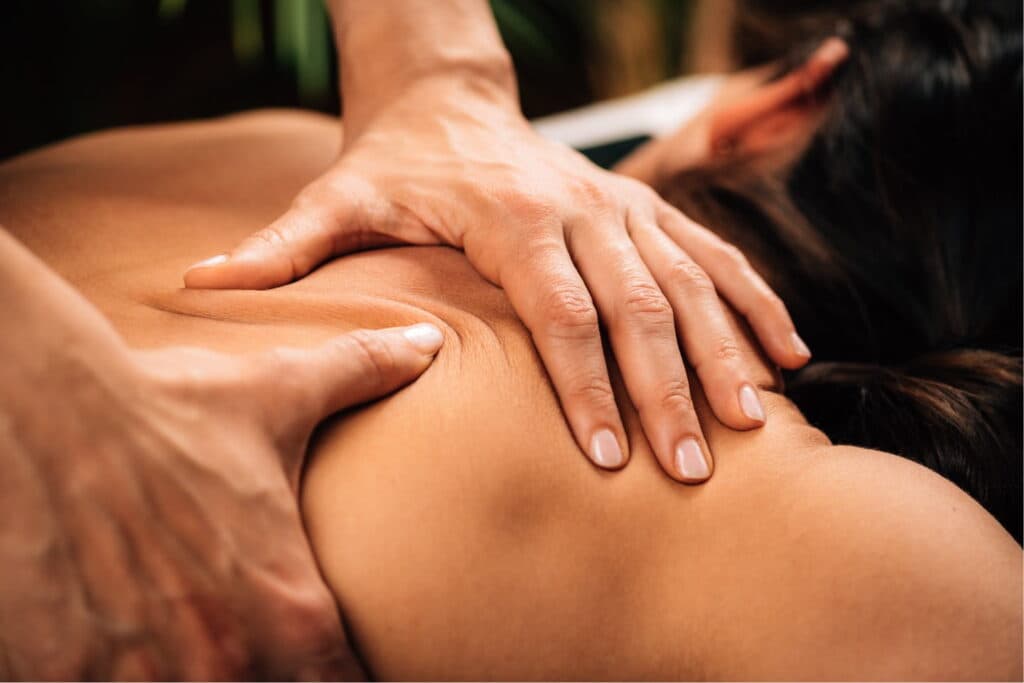
May Improve Flexibility and Range of Motion
Tight muscles and soft-tissue restrictions can sometimes contribute to reduced mobility. Massage may help relax muscles and support movement, particularly when combined with stretching or physical therapy. For athletes and people recovering from certain musculoskeletal problems, massage may form part of a broader mobility and rehabilitation program. However, massage should not be used to force a joint beyond its normal range of motion. Treatment should always be performed according to the individual's physical condition.
May Support Exercise Recovery
Sports and exercise can place considerable stress on muscles and soft tissues. Some athletes use massage as part of their recovery routine. Massage may help reduce the sensation of muscle soreness and promote relaxation following physical activity. Sports massage can also be adapted to the needs of people who participate in particular athletic activities. It should be considered one component of recovery rather than a replacement for adequate hydration, nutrition, sleep, appropriate training, and injury management.
May Improve General Sense of Well-Being
Massage therapy can provide benefits that extend beyond a particular physical complaint. Taking time to relax and receive professional hands-on treatment may contribute to a person's overall sense of well-being. Some people report feeling refreshed, less tense, and more comfortable after a session. This is one reason massage therapy is frequently included in wellness and preventive health programs.
May Complement Physical Rehabilitation
Massage therapy may sometimes be incorporated into rehabilitation programs for certain musculoskeletal conditions. A healthcare team may combine massage with exercises, stretching, strengthening, manual therapy, and other interventions depending on the patient's diagnosis. The purpose is not necessarily to treat the underlying condition with massage alone, but to complement other evidence-based treatments and help the patient work toward improved comfort and movement.
May Support Circulation and Soft-Tissue Mobility
Massage involves physical manipulation of soft tissues and may temporarily influence local circulation. The mechanical action of massage can also help mobilize soft tissues. However, claims that massage “detoxifies” the body or removes toxins should be treated cautiously. The body already has sophisticated systems, particularly the liver and kidneys, for processing and eliminating metabolic waste. The potential benefits of massage should therefore be discussed in realistic, evidence-based terms.
What Happens During a Massage Therapy Session?
A massage session usually begins with a discussion about the patient's health, concerns, and treatment goals. The therapist may ask about pain, previous injuries, medications, and relevant medical conditions. The patient is positioned comfortably, and the therapist uses techniques appropriate for the selected type of massage. Pressure can generally be adjusted according to comfort and therapeutic goals.
Patients should communicate if the pressure is painful or uncomfortable. Massage should not normally cause severe or sharp pain. The duration of a session varies depending on the treatment and provider, but sessions commonly range from approximately 30 to 90 minutes.
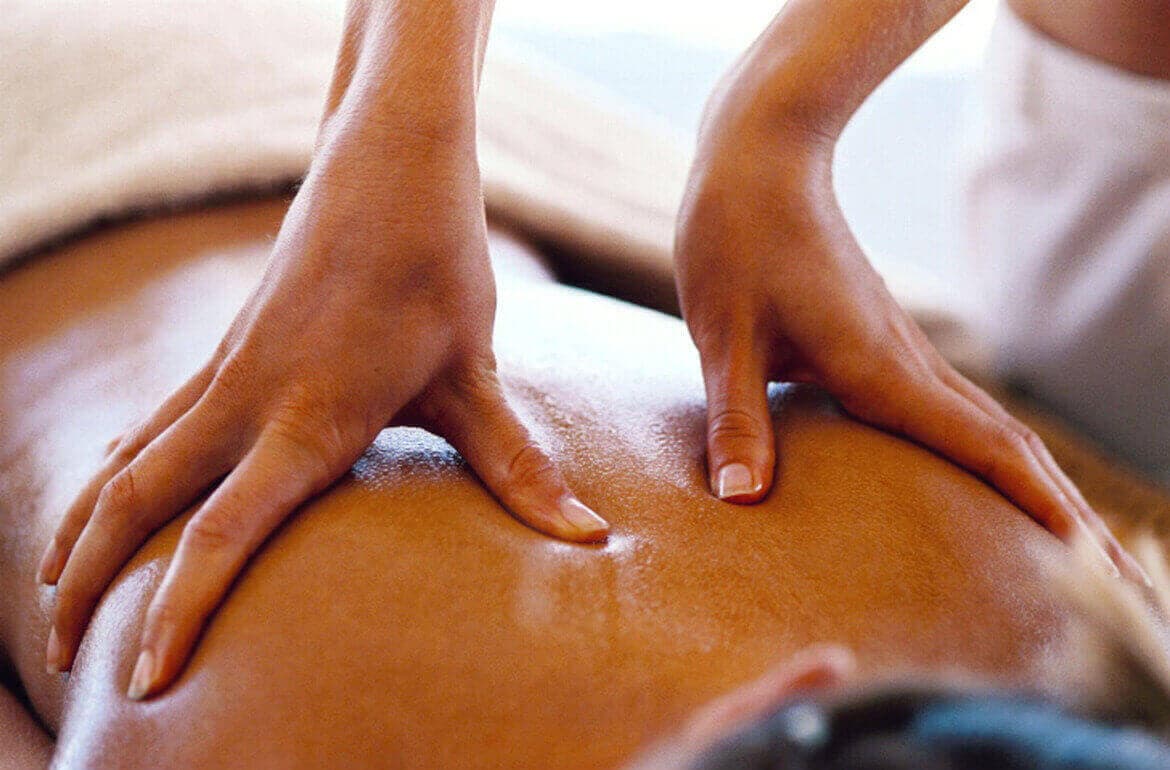
Is Massage Therapy Safe?
Massage therapy is generally considered safe when performed appropriately by a trained professional. Nevertheless, it is not suitable for everyone. People with certain medical conditions may need to avoid massage or obtain medical clearance beforehand. Particular caution may be necessary for people with conditions affecting blood clotting, certain infections, significant injuries, fractures, severe osteoporosis, or other serious health problems.
People taking blood-thinning medication should also discuss massage with their healthcare provider before treatment. Pregnant patients should seek a therapist trained in prenatal massage and discuss the treatment with their healthcare provider when appropriate.
Conclusion
Massage therapy can offer a range of potential benefits, particularly for relaxation, muscle tension, certain types of pain, stress management, flexibility, exercise recovery, and general well-being. It may also be useful as a complementary component of physical rehabilitation when appropriately integrated into a patient's treatment plan. However, massage is not a cure for every medical condition, and its effectiveness varies from person to person.
Read More