

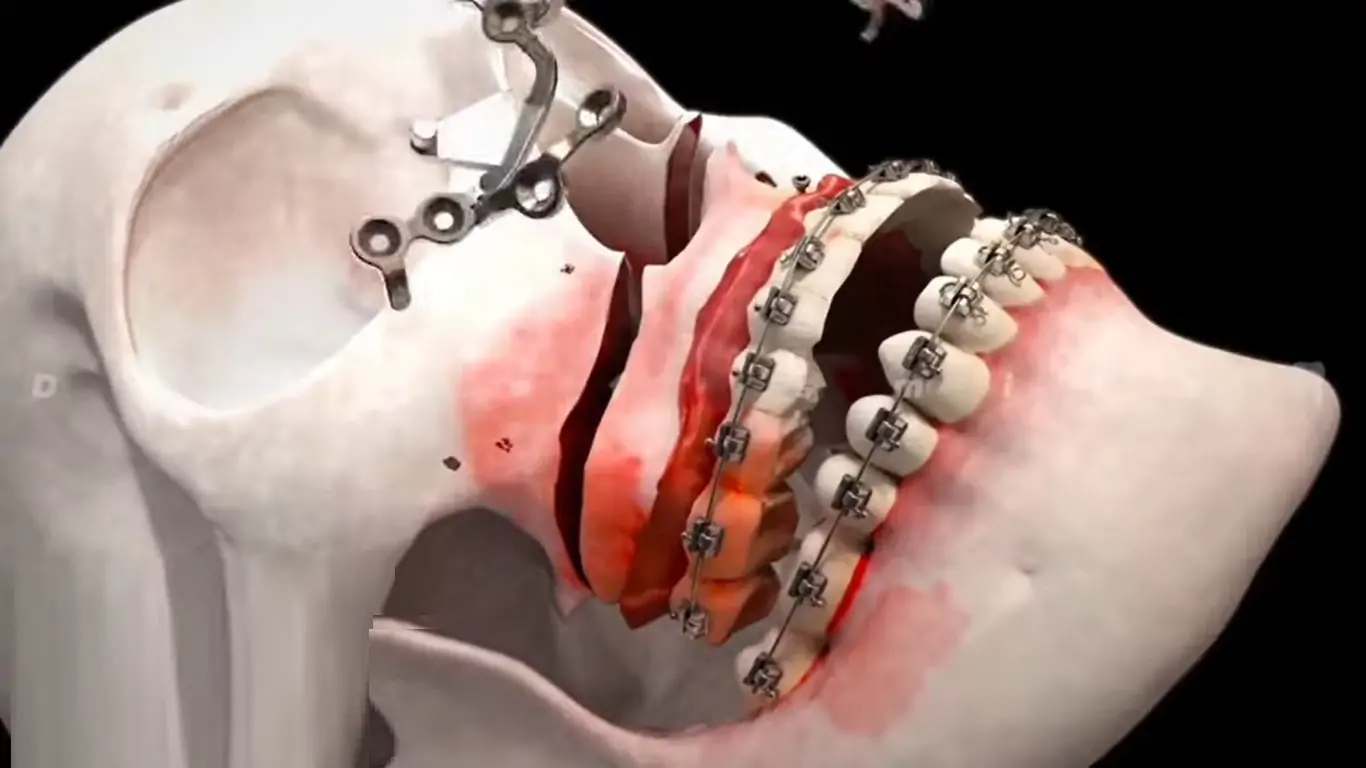
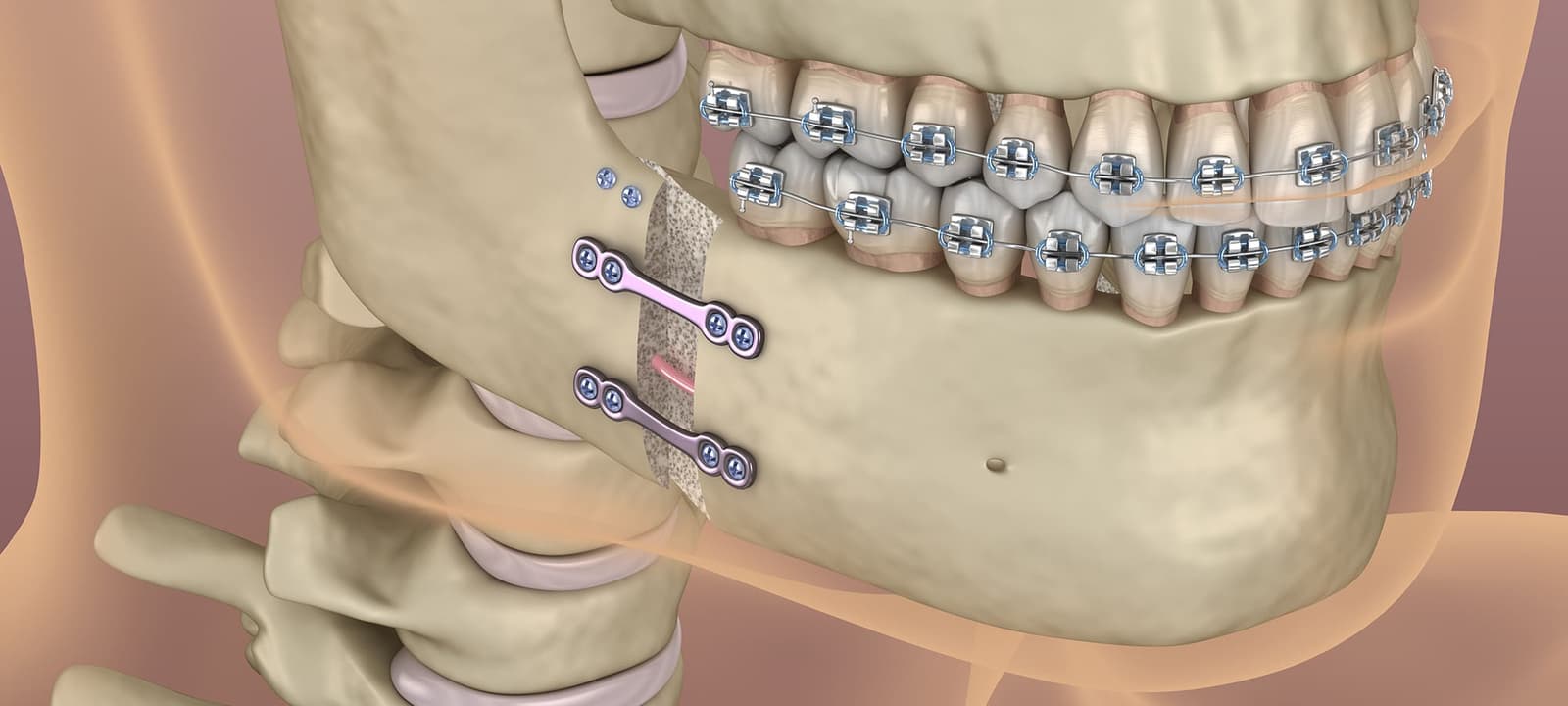
Jaw surgery, medically known as orthognathic surgery, is a procedure used to correct problems involving the position and alignment of the upper jaw, lower jaw, or both. It may be recommended for people with significant bite problems, jaw asymmetry, facial skeletal abnormalities, or functional difficulties that cannot be adequately corrected with orthodontic treatment alone.
The long-term outcome depends on several factors, including the type of surgery, the patient's anatomy, surgical technique, healing process, and whether orthodontic treatment is required before or after surgery.
What is Jaw Surgery?
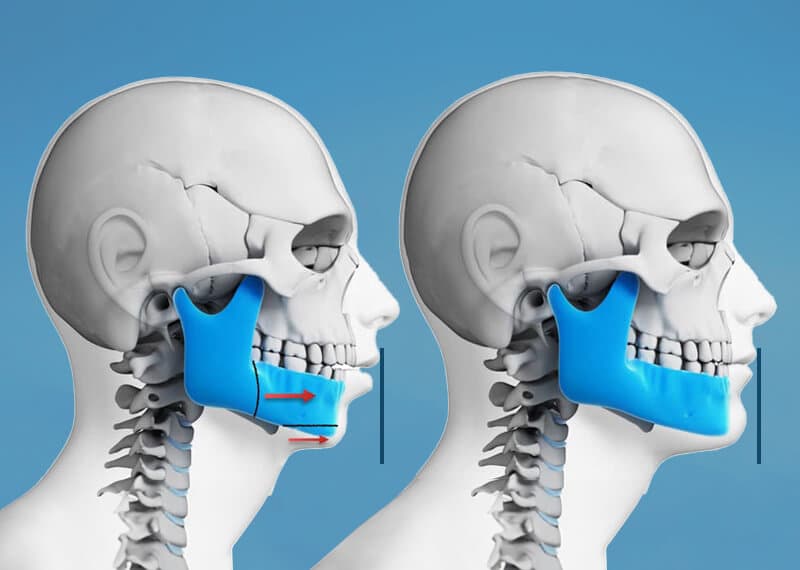
Orthognathic surgery involves repositioning one or both jaws to improve their relationship with each other and with the rest of the facial skeleton. Common procedures include:
Maxillary surgery, which changes the position of the upper jaw
Mandibular surgery, which repositions the lower jaw
Double jaw surgery, which involves both jaws
Chin surgery, which may sometimes be performed alongside jaw surgery to improve facial proportions
Jaw surgery is generally performed after facial growth has finished. Treatment frequently involves orthodontics, with braces or clear aligners used before and/or after surgery to establish an appropriate bite.
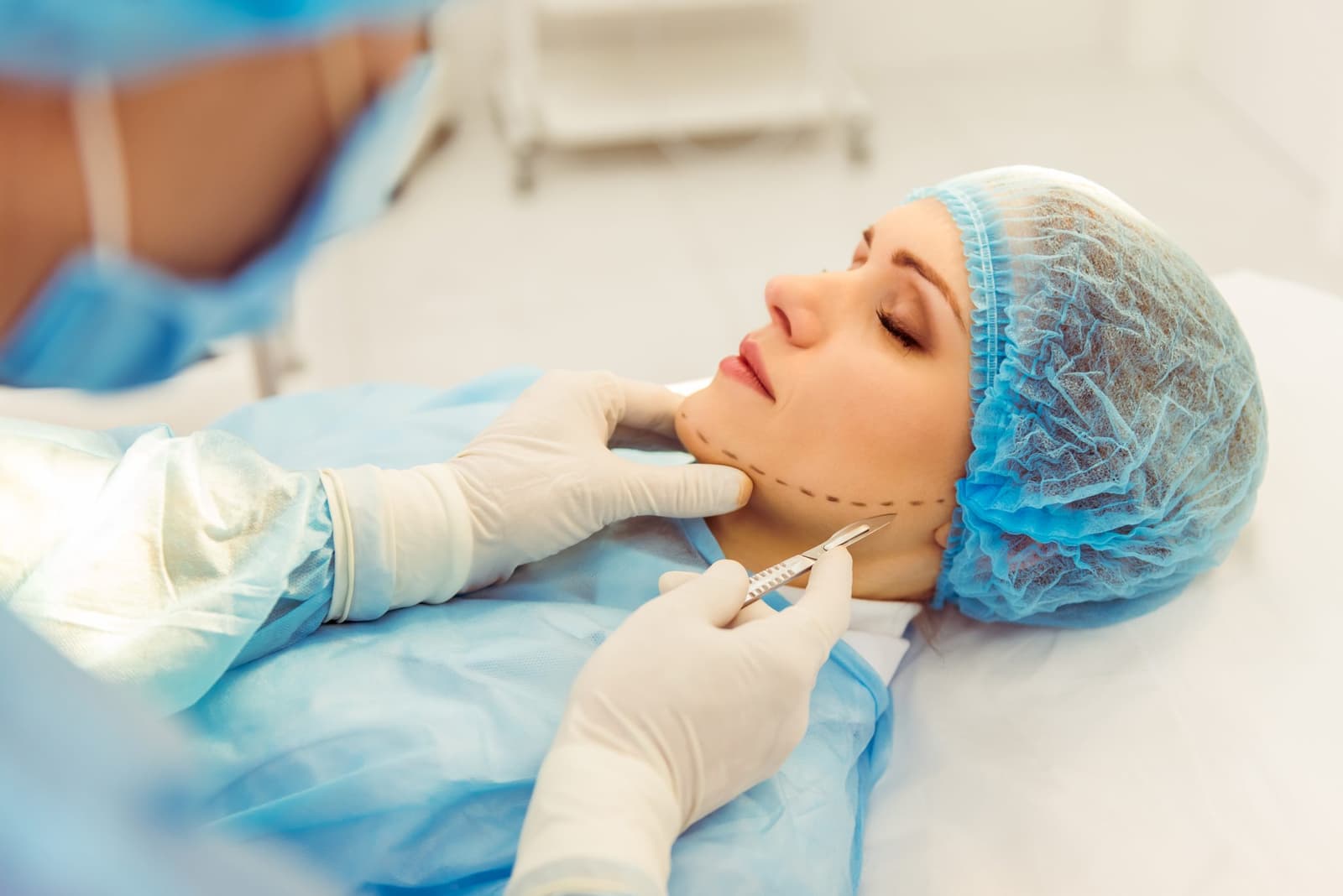
Long-term side effects of Jaw Surgery
Although the procedure can provide significant functional and aesthetic benefits, patients should understand that recovery can take several months and that some effects may persist after healing. These side effects include:
Numbness and Changes in Sensation
One of the most important potential long-term effects of jaw surgery is altered sensation. The nerves responsible for sensation in the lower lip, chin, cheeks, or tongue can be located near areas where the surgeon operates. After lower jaw surgery in particular, patients may experience numbness, tingling, or altered sensation in the lower lip and chin.
These symptoms are often temporary and may gradually improve as the nerves recover. However, some patients can experience persistent sensory changes. The degree and duration of nerve-related symptoms vary between individuals. Factors such as the surgical technique, anatomy, age, and the position of the nerves can influence the risk.
Jaw Relapse and Changes in Bite
Another potential long-term issue is skeletal relapse, in which the jaw gradually moves away from its surgically corrected position. Relapse does not necessarily mean that surgery was unsuccessful. Small changes can occur as tissues heal and adapt to the new position of the jaw. However, significant movement can affect the alignment of the teeth and the way the upper and lower jaws meet.
The risk of relapse varies depending on the type of jaw deformity, the direction and extent of jaw movement, the surgical technique, muscle forces, and other individual factors. Careful surgical planning and appropriate orthodontic follow-up are important parts of reducing the risk of significant postoperative changes.
Temporomandibular Joint Symptoms
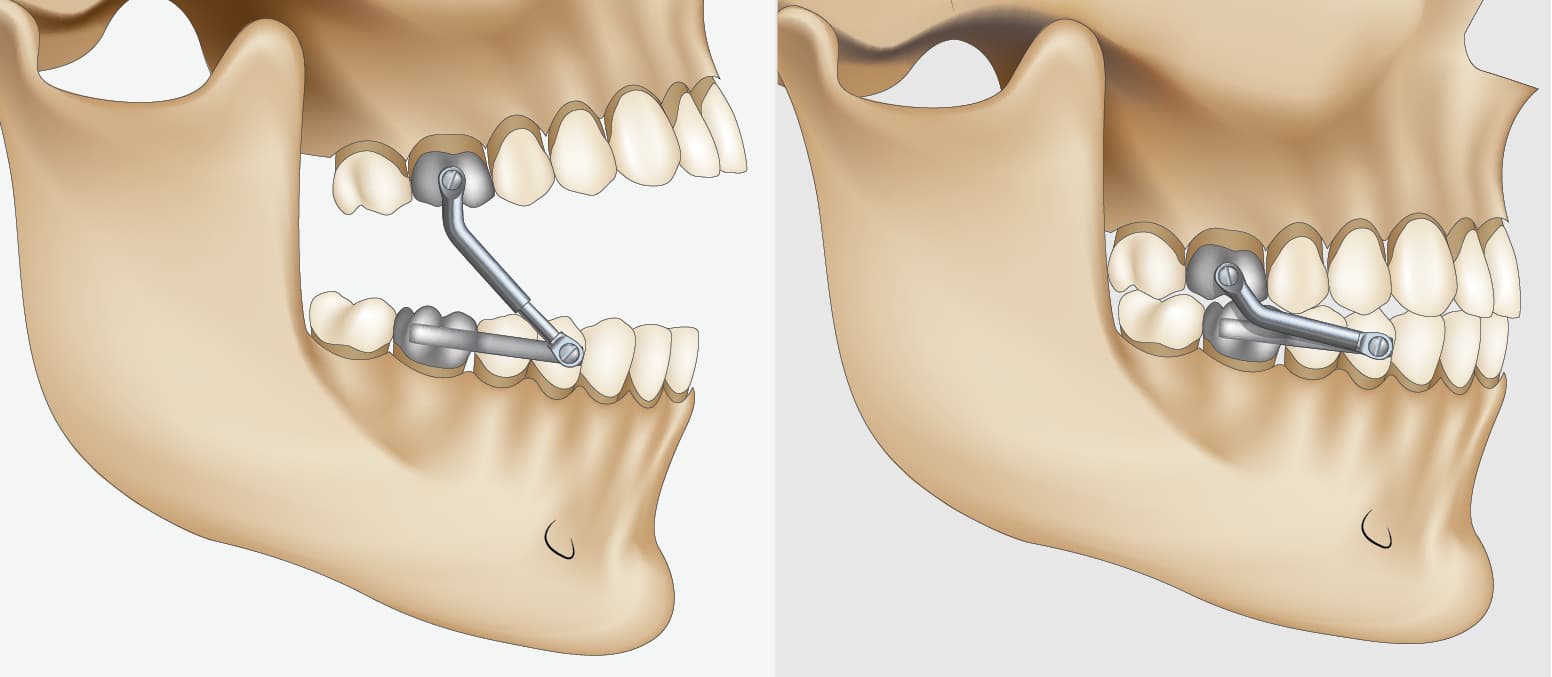
The temporomandibular joints (TMJs) connect the lower jaw to the skull and allow movements such as chewing and speaking. Some patients may experience changes in jaw-joint symptoms following orthognathic surgery. These may include clicking, discomfort, stiffness, or changes in how the jaw moves.
Jaw surgery may improve certain symptoms in some patients, particularly when a skeletal abnormality contributes to functional problems. However, it is not considered a guaranteed treatment for every TMJ disorder. Patients with existing TMJ symptoms should discuss them with their surgeon and dental team before treatment so that expectations and treatment goals are clearly established.
Changes in Facial Appearance
Because orthognathic surgery changes the position of the facial bones, changes in appearance are an expected part of treatment. Patients may notice differences in the profile, lips, cheeks, chin, or overall facial proportions. In most cases, these changes are planned as part of correcting the underlying jaw problem.
However, facial appearance can continue to change as postoperative swelling disappears and soft tissues adapt to the new skeletal position. The final appearance may therefore not be immediately apparent after surgery. Patients considering treatment for both functional and aesthetic reasons should discuss their desired outcome and realistic expectations with their surgeon before the procedure.
Dental and Bite Changes
Jaw surgery changes the relationship between the upper and lower teeth. While the goal is generally to establish a stable and functional bite, some patients may experience long-term dental issues. These can include changes in tooth contact, orthodontic relapse, or difficulty maintaining the intended bite relationship.
This is one reason why orthodontic follow-up is often an important component of orthognathic treatment. Retainers and regular dental examinations may be necessary to maintain the results achieved through surgery and orthodontics.
Breathing and Airway Changes
Jaw position can influence the dimensions and shape of the upper airway. Depending on the direction and extent of jaw movement, orthognathic surgery may alter the space available for airflow. For some patients, jaw surgery is performed partly to address functional airway concerns. In other cases, the surgical plan may have different objectives, and airway effects need to be considered as part of the overall treatment plan.
Patients with sleep-disordered breathing or other airway concerns should discuss these issues with their surgeon before surgery. The potential effects depend heavily on the specific surgical movements being planned.
Changes in Speech
Speech can be influenced by the position of the teeth, tongue, lips, and jaws. Following jaw surgery, patients may temporarily notice changes in pronunciation or speech patterns while they adapt to the new jaw position.
Most postoperative changes improve as swelling decreases and the muscles and soft tissues adjust. However, patients with pre-existing speech difficulties may require additional assessment or therapy depending on their circumstances.
Difficulty With Jaw Movement
Some patients may experience long-term stiffness or limitations in jaw movement. This can be particularly relevant after extensive surgery or in individuals who develop complications affecting the muscles or temporomandibular joints.
Postoperative exercises and rehabilitation may be recommended when appropriate. Maintaining good oral hygiene can also be more challenging during recovery, so patients should follow their dental team's instructions carefully. Persistent difficulty opening or moving the jaw should be evaluated rather than assumed to be a normal permanent consequence of surgery.
Does Jaw Surgery Cause Permanent Problems?
Jaw surgery does not necessarily result in long-term complications. Many patients recover well and maintain stable functional and aesthetic results. However, the possibility of persistent effects should be discussed before treatment. Some risks, such as permanent sensory changes, cannot always be completely eliminated.
The individual risk profile depends on the patient's anatomy, health, type of surgery, surgical approach, and the experience of the treatment team. A thorough consultation should therefore include discussion of both the expected benefits and possible long-term complications.
Conclusion
Jaw surgery can provide important functional and structural improvements for people with significant jaw and bite abnormalities. Nevertheless, it is a major surgical procedure and may have long-term effects. Potential long-term side effects can include persistent numbness or altered sensation, changes in the bite, skeletal relapse, TMJ symptoms, changes in facial appearance, speech changes, and alterations in jaw movement. Not every patient experiences these complications, and some postoperative effects may improve gradually as healing continues.
Read More