


Acupuncture is one of the best-known practices associated with traditional Chinese medicine and is now used in many countries as a complementary healthcare treatment. It involves inserting very thin needles into specific points on the body. Depending on the practitioner and the treatment approach, acupuncture may also be combined with techniques such as heat, electrical stimulation, or other forms of traditional medicine.
People seek acupuncture for a variety of reasons, including pain management, relaxation, headaches, nausea, and general well-being. Research suggests that acupuncture may provide benefits for certain conditions, although the strength of evidence varies depending on the condition and the specific treatment being studied.
What Is Acupuncture?
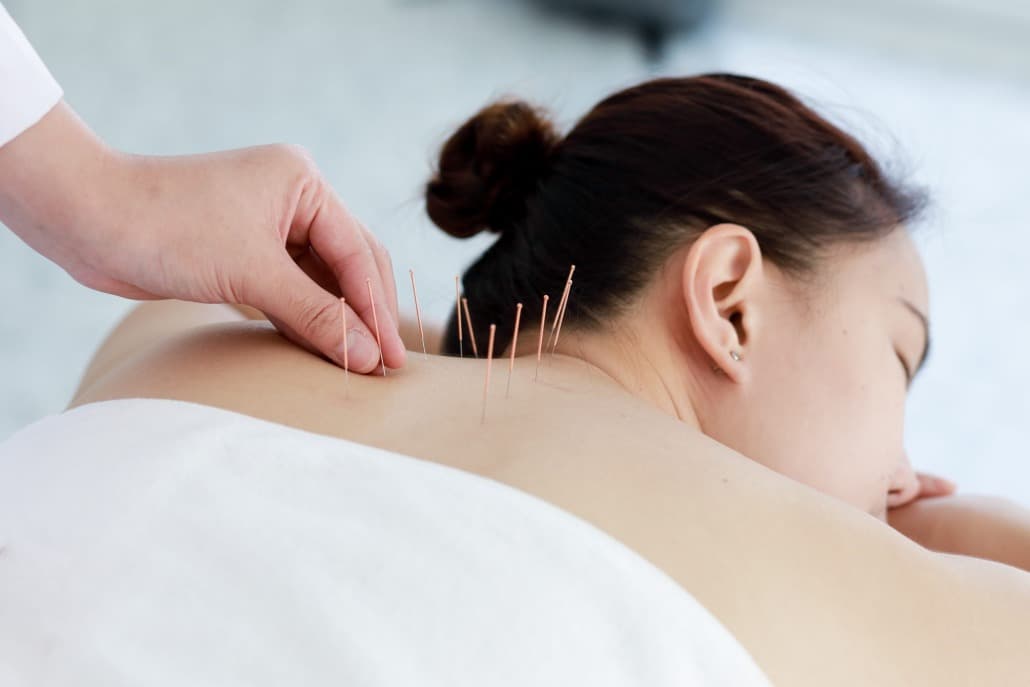
Acupuncture is a traditional medical practice in which very thin needles are inserted into specific points on the body. Traditional Chinese medicine explains these points in terms of the flow of qi, or vital energy, through pathways known as meridians. Modern research has proposed several possible mechanisms for acupuncture's effects, including stimulation of nerves and connective tissues and changes in pain-processing pathways. However, the exact mechanisms are still being investigated.
Treatment typically begins with an assessment of the patient's symptoms, health history, and treatment goals. The practitioner then selects acupuncture points and inserts sterile, single-use needles into the skin. The needles are usually left in place for a period of time before being removed.
Pros of Acupuncture
May Help Manage Certain Types of Pain
Pain management is one of the most common reasons people seek acupuncture. Research has found evidence that acupuncture may provide modest benefits for certain chronic pain conditions, including some types of back, neck, and musculoskeletal pain. Some people may experience reduced pain or improved function after a course of treatment. However, results vary, and acupuncture should be considered part of an overall pain-management strategy rather than a guaranteed cure.
May Help With Some Types of Headaches
Acupuncture has been studied for headaches, particularly migraine and tension-type headaches. Some evidence suggests that acupuncture may reduce the frequency of migraines in certain patients. It may therefore be considered as a complementary option for people who experience recurrent headaches. However, headaches can sometimes indicate an underlying medical problem. New, severe, or unusual headaches require appropriate medical evaluation rather than relying solely on acupuncture.

May Help Reduce Certain Nausea Symptoms
Acupuncture and related techniques have been investigated for nausea and vomiting, including symptoms associated with certain medical treatments. In some circumstances, acupuncture may be used alongside conventional anti-nausea medications. This complementary approach can be particularly relevant when patients are looking for additional ways to manage treatment-related symptoms. It should not replace prescribed treatment without medical guidance.
Generally Involves Few Medications
One potential advantage of acupuncture is that it does not require patients to take medication during the procedure. This may appeal to people who cannot tolerate certain medications or who want a non-pharmacological approach to managing particular symptoms. However, avoiding medication does not automatically make acupuncture safer or more appropriate. The underlying condition still needs to be correctly diagnosed and treated.
May Promote Relaxation
Many patients describe acupuncture sessions as relaxing. The treatment environment, time spent resting, and gentle stimulation associated with some acupuncture techniques may contribute to a sense of relaxation. For people experiencing stress alongside physical symptoms, this can be an attractive aspect of treatment. Nevertheless, acupuncture should not be considered a replacement for professional treatment of significant mental health conditions.

Can Be Used Alongside Conventional Treatment
Acupuncture does not necessarily have to be an alternative to conventional healthcare. In appropriate circumstances, it can be integrated into a broader treatment plan. This approach allows patients to benefit from evidence-based conventional care while exploring complementary treatments that may help with symptom management.
May Be Appropriate for Some People Who Prefer Complementary Medicine
Some patients prefer healthcare approaches that involve fewer medications or procedures. Acupuncture can provide an additional option for individuals interested in complementary medicine. However, preferences should always be balanced with medical evidence, safety considerations, and professional guidance.
Cons of Acupuncture
Effectiveness Varies
Perhaps the most important limitation of acupuncture is that it does not work equally well for everyone or for every condition. Evidence is stronger for some pain-related conditions than for many other health problems for which acupuncture is marketed. Patients should therefore ask what scientific evidence supports acupuncture for their particular condition. A treatment that may help one symptom should not automatically be assumed to treat unrelated diseases.
Multiple Sessions May Be Necessary
Acupuncture frequently involves a course of treatment rather than a single session. Depending on the condition and treatment plan, patients may need several appointments before determining whether they are experiencing meaningful benefits. This can require a significant investment of time. Patients traveling internationally should consider this carefully, especially if treatment requires repeated visits.

Minor Side Effects Can Occur
Although acupuncture needles are extremely thin, they still penetrate the skin. Minor side effects can include:
Temporary pain or tenderness
Minor bleeding
Bruising
Dizziness
Temporary fatigue
Mild soreness
These effects are usually short-lived, but patients should inform their practitioner if they experience unusual or severe symptoms.
There Is a Risk of Infection if Sterility Is Poor
Proper hygiene is essential. Acupuncture needles should be sterile and single-use. If contaminated equipment is used or appropriate infection-control procedures are not followed, patients may be exposed to infections. This is especially important when considering acupuncture abroad. Patients should confirm that the clinic follows appropriate hygiene and infection-control standards.
Rare but Serious Complications Are Possible
Serious complications are uncommon when acupuncture is performed correctly by a trained practitioner, but they can occur. Incorrect needle placement can potentially cause injury to underlying tissues or organs. Certain anatomical areas require particular caution because of nearby blood vessels, nerves, or organs. This is why professional training and knowledge of anatomy are critical.

It May Not Be Suitable for Everyone
Some people require additional precautions or should avoid acupuncture altogether.
Patients with certain bleeding disorders or those taking anticoagulant medication may have an increased risk of bleeding or bruising. People with particular medical conditions, compromised immunity, or implanted medical devices may also need individualized advice depending on the acupuncture technique being considered. Pregnant patients should inform their practitioner and healthcare provider before receiving acupuncture because some acupuncture points and techniques require particular consideration during pregnancy.
It Should Not Delay Necessary Medical Treatment
One of the most important disadvantages arises when acupuncture is used instead of appropriate medical care. Conditions such as cancer, serious infections, heart disease, neurological disorders, and severe injuries require proper diagnosis and evidence-based treatment. Acupuncture may sometimes complement conventional care, but replacing necessary treatment with acupuncture can allow a serious condition to progress.
Is Acupuncture Right for You?
Whether acupuncture is appropriate depends on the patient's health, diagnosis, treatment goals, and expectations. Before starting treatment, patients should discuss their condition with a qualified healthcare professional and ask whether there is reliable evidence supporting acupuncture for their particular problem. Patients should also choose a properly trained practitioner who uses sterile, single-use needles and follows appropriate infection-control procedures.
Conclusion
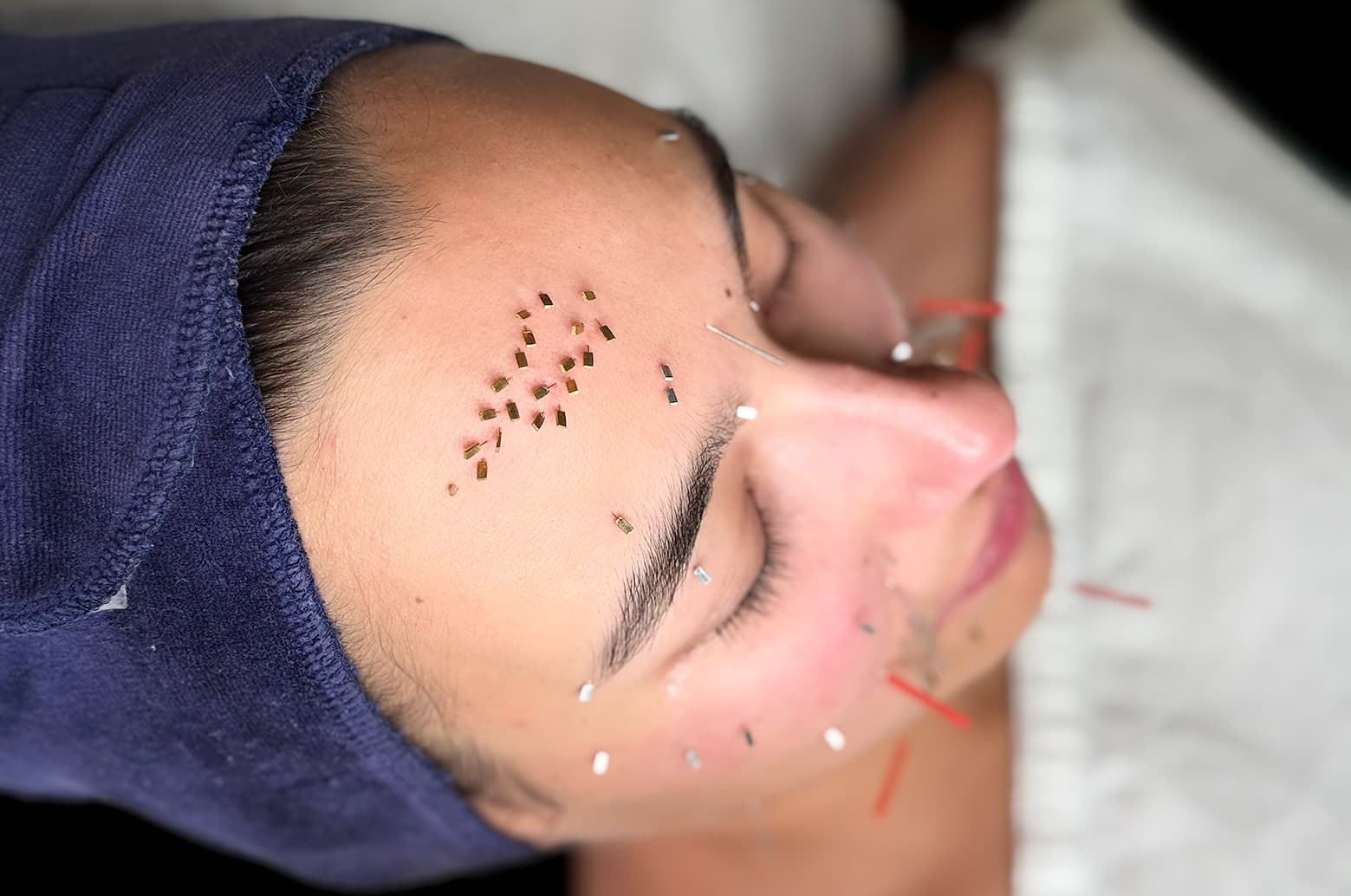
Acupuncture can offer potential benefits for certain patients, particularly in areas such as chronic pain management, some headaches, nausea, and relaxation. It is minimally invasive and can sometimes be incorporated alongside conventional medical treatment.
At the same time, acupuncture has limitations. Its effectiveness varies between conditions and individuals, multiple sessions may be required, and minor side effects such as bruising or soreness can occur. Although serious complications are uncommon when treatment is properly performed, inadequate training or poor hygiene can increase the risks.
Read More