

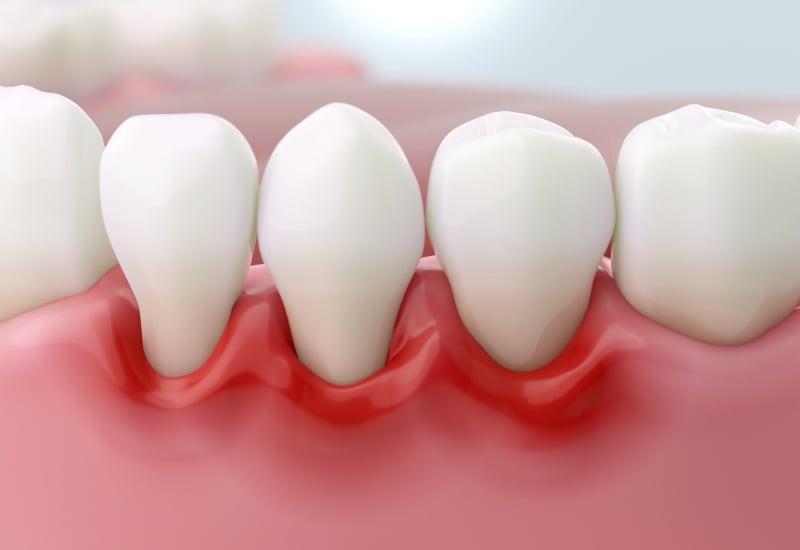
Gum disease is one of the most common oral health problems and can develop gradually, sometimes without causing noticeable discomfort in its early stages. It affects the tissues surrounding and supporting the teeth and ranges from mild inflammation, known as gingivitis, to more advanced periodontitis, which can damage the bone and tissues that hold teeth in place. Once gum disease progresses to periodontitis, however, professional treatment is generally needed to control the condition and prevent further damage.
What Is Gum Disease?
Gum disease, also called periodontal disease, refers to inflammation and infection affecting the gums and other tissues that support the teeth. It commonly begins when plaque, a sticky film containing bacteria, accumulates around the teeth and along the gumline.
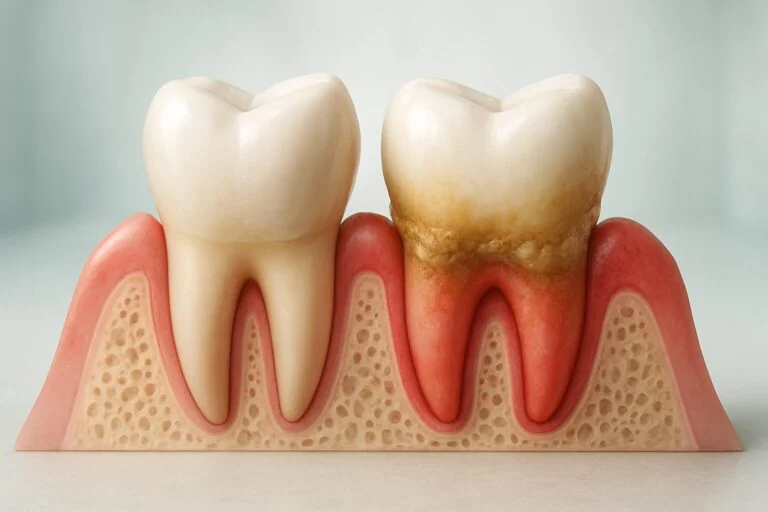
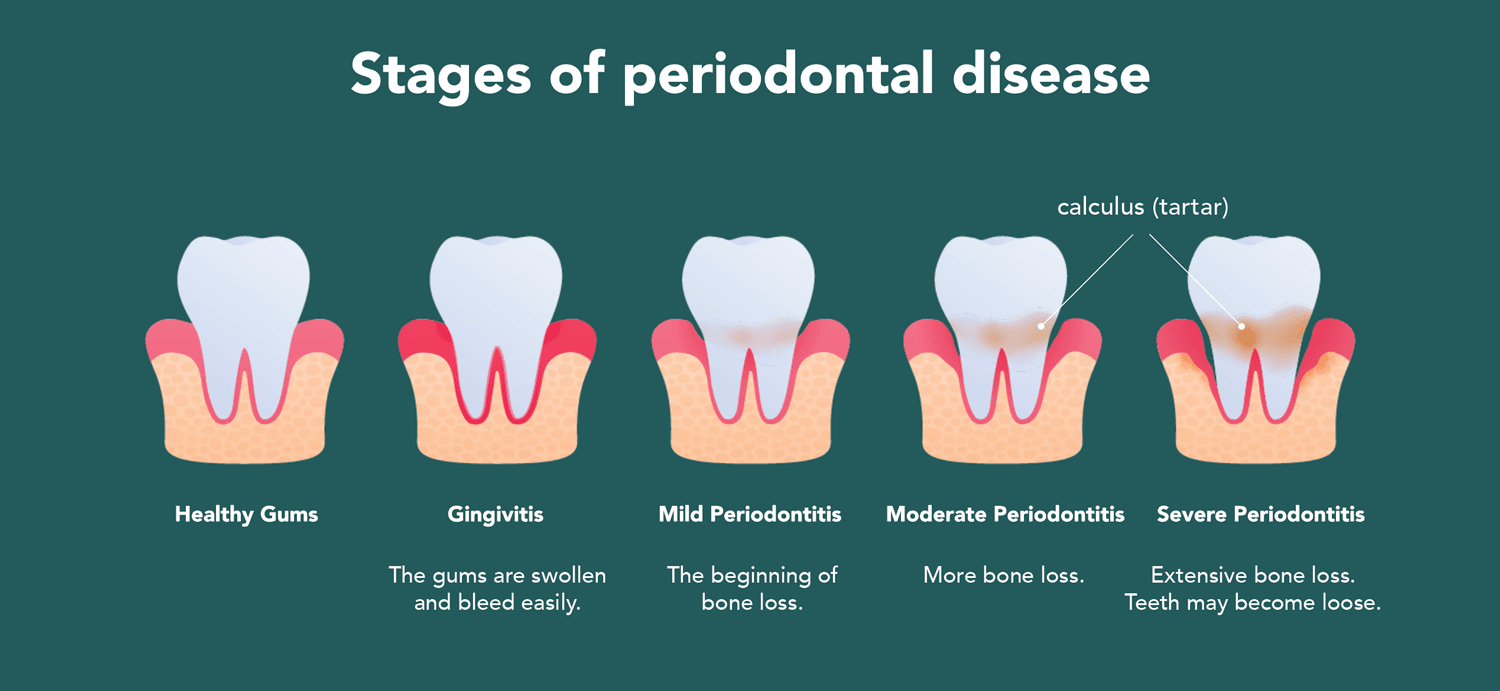
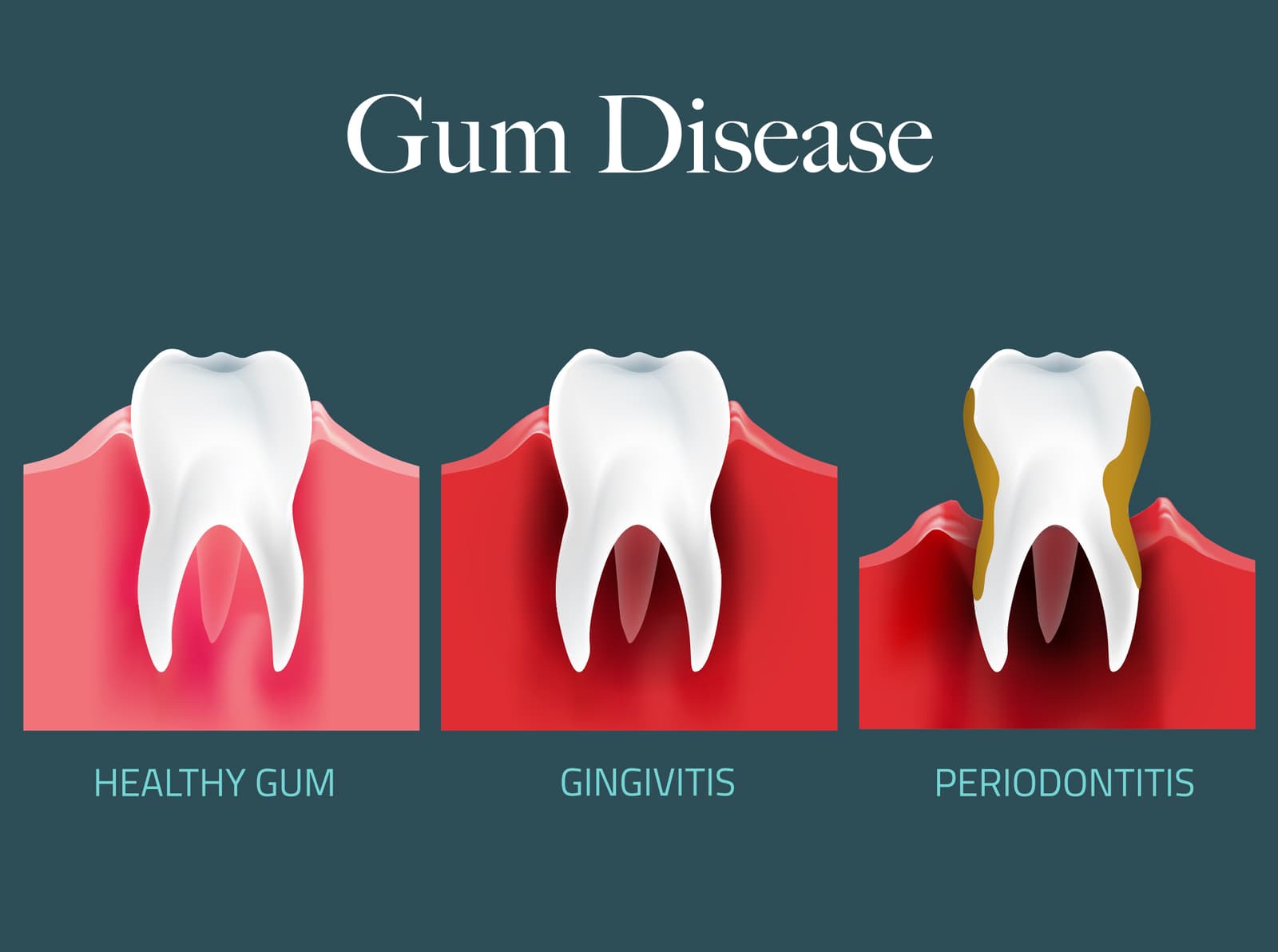
If plaque is not regularly removed, it can harden into tartar, or calculus. Unlike plaque, tartar cannot be removed effectively with regular brushing and flossing and generally requires professional dental cleaning. Continued buildup can contribute to inflammation and the development of periodontal pockets around the teeth. The two main stages are:
Gingivitis: The early stage, characterized by inflammation of the gums. It is generally reversible with appropriate oral hygiene and professional care.
Periodontitis: A more advanced form that involves destruction of the tissues supporting the teeth and bone loss. It cannot be reversed, but professional treatment can slow or manage its progression.
What Are the Signs of Gum Disease?
Knowing what to look for can help you seek dental care before the condition becomes more advanced. Common signs include the following.
Red or Swollen Gums
Healthy gums are generally firm and fit closely around the teeth. Redness, swelling, or tenderness around the gumline can be an early indication of inflammation. Swollen gums are particularly important to notice when the change persists rather than occurring briefly after irritation. Gingivitis commonly causes gums to become red, swollen, or tender.
Bleeding When Brushing or Flossing
Bleeding gums are one of the most recognizable warning signs of gum disease. You may notice blood when brushing your teeth, flossing, or occasionally when eating harder foods. Although occasional bleeding can have several causes, persistent or recurring bleeding should not simply be considered normal. It may indicate inflammation caused by plaque accumulation and should be evaluated by a dental professional.
Persistent Bad Breath
Bad breath, medically known as halitosis, can have many causes, including certain foods, dry mouth, and other oral conditions. However, persistent bad breath can also occur with gum disease. Bacteria associated with plaque and periodontal infection can contribute to an unpleasant odor. If bad breath continues despite regular brushing, cleaning between the teeth, and other appropriate oral hygiene measures, a dental examination may help identify the underlying cause.
Gums Pulling Away from the Teeth
As periodontal disease progresses, the gums may begin to recede or pull away from the teeth. This can make the teeth appear longer than they previously did. Gum recession can expose parts of the tooth that were previously covered by gum tissue and may be associated with tooth sensitivity. It can occur for several reasons, so a dentist should determine whether gum disease is responsible.
Tooth Sensitivity
Increased sensitivity to hot, cold, or other stimuli may sometimes accompany gum recession or periodontal problems. When gum tissue recedes, areas of the tooth that are normally protected can become exposed. However, tooth sensitivity is not specific to gum disease. Tooth decay, worn enamel, cracks, and other dental conditions can also cause sensitivity. For this reason, persistent sensitivity should be assessed rather than automatically attributed to periodontal disease.
Pain or Discomfort When Chewing
Painful or uncomfortable chewing can occur in more advanced gum disease. As periodontal disease damages the structures supporting the teeth, chewing may become uncomfortable.
Loose or Shifting Teeth
Teeth that feel loose or begin to shift position can be a sign of significant periodontal damage. Advanced periodontitis can destroy the bone and supporting tissues around teeth, reducing the stability of the teeth. Changes in how your teeth fit together when you bite can also be associated with periodontal disease. These symptoms warrant prompt dental evaluation.
Changes in the Fit of Dental Appliances
People who wear partial dentures or other dental appliances may notice that the way the appliance fits has changed. Changes in the supporting tissues of the mouth can affect how dental appliances sit. The CDC identifies changes in the fit of a partial denture as one of the possible signs associated with gum disease.
Can Gum Disease Develop Without Symptoms?
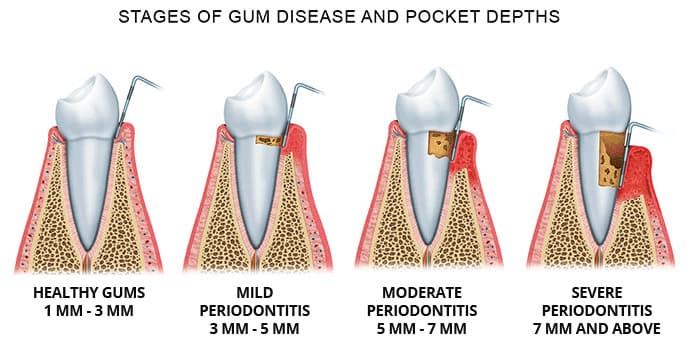
Yes. One of the reasons regular dental examinations are important is that periodontal disease may become significant before a person experiences obvious symptoms. Some people may notice bleeding or swollen gums early, while others may not recognize that anything is wrong until gum recession, tooth mobility, chewing problems, or other symptoms develop. A dental professional can examine the gums and measure the spaces around the teeth to identify periodontal problems that may not be obvious at home. Therefore, the absence of pain does not necessarily mean that your gums are healthy.
What Causes Gum Disease?
Plaque buildup is a major contributor to gum disease. Plaque contains bacteria that can trigger inflammation when it remains on the teeth and around the gumline. If plaque is not removed, it can harden into tartar. Once tartar develops, professional cleaning is required to remove it. Continued inflammation can eventually contribute to periodontal pocket formation and damage to the tissues and bone supporting the teeth. Several factors can increase the risk of developing or experiencing more severe gum disease. These include tobacco use, diabetes, poor oral hygiene, certain medications, genetic factors, stress, hormonal changes, and some underlying health conditions.
How Is Gum Disease Diagnosed?
A dentist or dental hygienist can evaluate your gums during a comprehensive oral examination. The examination may include looking for redness, swelling, bleeding, recession, and other changes. A small dental instrument called a periodontal probe may be used to measure the spaces, or pockets, between the gums and teeth. Deeper periodontal pockets can indicate periodontal disease.
Depending on your symptoms and examination findings, dental X-rays may also be recommended. X-rays can help identify bone loss associated with advanced periodontal disease. A dentist may refer a patient to a periodontist, a specialist who focuses on the diagnosis and treatment of gum disease.
How Is Gum Disease Treated?
Treatment depends on the type and severity of the condition.
For early gingivitis, improving daily oral hygiene and receiving professional dental cleaning may help control and reverse inflammation. Brushing twice a day with fluoride toothpaste and cleaning between the teeth regularly are important components of oral care.
When periodontitis has developed, treatment may involve professional procedures such as scaling and root planing, commonly called deep cleaning. Depending on the severity of the disease, a dentist or periodontist may also recommend medication or surgical treatment.
Successful management also requires continued oral hygiene at home and regular professional follow-up.
When Should You See a Dentist?
You should consider arranging a dental examination if you regularly experience bleeding gums, persistent swelling or redness, bad breath, gum recession, tooth sensitivity, painful chewing, or loose or shifting teeth. You should not wait for severe pain before seeking care. Gum disease can progress without significant discomfort, and early evaluation may allow treatment before more extensive damage develops. If you are experiencing loose teeth, significant gum recession, persistent bleeding, or difficulty chewing, professional assessment is particularly important.
How Can You Prevent Gum Disease?
Good daily oral hygiene is one of the most important ways to prevent and manage gum disease. Helpful habits include:
Brush your teeth twice a day with fluoride toothpaste.
Clean between your teeth every day using floss or another interdental cleaning method recommended by your dental professional.
Have regular dental examinations and professional cleanings.
Avoid tobacco products, which are an important risk factor for severe periodontal disease.
Follow your dentist's recommendations if you have diabetes or other factors that may increase your periodontal risk.
It is also important to remember that professional cleaning is necessary to remove tartar because hardened calculus cannot be removed effectively with ordinary brushing and flossing.
Conclusion
Gum disease can begin with subtle changes such as red, swollen, or bleeding gums and may progress to gum recession, persistent bad breath, painful chewing, loose teeth, and damage to the bone supporting the teeth. The earlier the condition is identified, the easier it may be to manage. Gingivitis is generally reversible with appropriate oral hygiene and professional care, while periodontitis requires professional treatment to control the disease and prevent further damage.
Read More