


Gender reassignment surgery, also called gender‑affirming surgery, is a set of surgical procedures that alter physical characteristics to better align a person’s body with their gender identity.
What is gender-affirming surgery?
Gender‑affirming surgery is an umbrella term for surgical procedures that modify secondary sex characteristics and genital anatomy to reflect a person’s gender identity, commonly pursued by transgender, nonbinary, and some intersex individuals as part of transition-related care. Procedures are typically grouped into top surgery (chest masculinization or breast augmentation), bottom surgery (genital reconstruction such as vaginoplasty, phalloplasty, or metoidioplasty), and facial and body procedures (facial feminization or masculinization, tracheal shave, liposculpture) that alter facial contours and body shape to match gendered appearance goals. These operations may be performed singly or in staged sequences and are often combined with hormone therapy and non‑surgical interventions (voice therapy, hair removal) to achieve comprehensive alignment between body and identity. Standards of care from professional organizations emphasize thorough assessment, informed consent, and multidisciplinary support—including mental health evaluation and medical optimization—before surgery. Outcomes commonly include improved body congruence and reduced gender dysphoria, though results vary by procedure, surgeon experience, and individual factors; risks include bleeding, infection, changes in sensation, functional complications, and the potential need for revision surgery.
How will hormone therapy affect fertility?
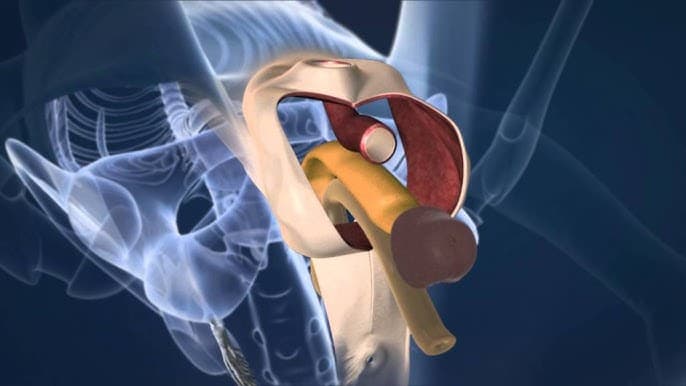
Gender‑affirming hormone therapy (GAHT) can suppress gametogenesis and alter reproductive function: testosterone in transmasculine people typically suppresses ovulation and can reduce oocyte yield over time, while estrogen plus antiandrogens in transfeminine people commonly reduce sperm production, motility, and testosterone‑dependent spermatogenesis. The degree and reversibility of these effects depend on dose, duration, and individual response; some people recover partial function after stopping hormones, but recovery is unpredictable and may be incomplete. Pubertal suppression with GnRH analogues in adolescents also affects maturation of gametes and raises distinct fertility preservation considerations. Because evidence is evolving, contemporary reviews recommend early, individualized fertility counseling and offering preservation options before starting hormones or undergoing gonadectomy to maximize future biological parenthood choices.

Male to female (MTF) procedures
Male‑to‑female surgical care spans cosmetic and reconstructive operations that together help align body and gender identity.
Breast augmentation (top surgery) uses implants or fat grafting to create a feminine chest and is often performed after a period of estrogen therapy to optimize tissue response.
Facial feminization surgery (FFS) comprises a range of procedures—forehead contouring, rhinoplasty, jaw and chin reduction, cheek augmentation, and brow/eyelid work—designed to soften masculine facial features and improve gender congruence.
Orchiectomy (removal of the testicles) reduces endogenous testosterone production, can simplify hormone management, and may be chosen alone or as part of genital reconstruction.
Tracheal shave (Adam’s apple reduction) reduces the prominence of the thyroid cartilage to create a smoother neck profile.
Vaginoplasty is the principal genital reconstruction for many transfeminine patients and typically involves penectomy, creation of a neovaginal canal, construction of a clitoris for erogenous sensation, and labiaplasty; techniques vary (penile inversion, intestinal grafts) and are selected based on anatomy and prior surgeries.
Voice feminization includes behavioral therapy and, when needed, surgical or endoscopic procedures to raise pitch or alter resonance and vocal fold function; many patients combine voice therapy with surgery for best results.
These procedures can be staged and tailored; outcomes depend heavily on surgical expertise, realistic expectations, and comprehensive perioperative care, and many centers recommend multidisciplinary teams to optimize results.

Female to male (FTM) procedures
Female‑to‑male surgical care encompasses a range of operations that together help align anatomy with gender identity, and the most frequently sought procedures are bilateral mastectomy (top surgery), phalloplasty, scrotoplasty, and hysterectomy.
Bilateral mastectomy removes breast tissue and sculpts a masculine chest contour; techniques vary from keyhole or peri‑areolar approaches for smaller chests to double‑incision with free‑nipple grafts for larger chests, with trade‑offs between scar visibility and nipple sensation preservation.
Phalloplasty constructs a neophallus using donor tissue (commonly radial forearm, anterolateral thigh, or abdominal flaps) and is often staged to create a shaft, glans, and urethral lengthening to permit standing urination; many patients later elect prosthetic implantation for erectile function, and planning must weigh donor‑site morbidity and the relatively higher risk of urethral complications such as fistula or stricture.
Scrotoplasty sculpts a scrotum from labial tissue and can include placement of testicular implants to achieve a male genital appearance; it is frequently performed with phalloplasty or metoidioplasty.
Hysterectomy (with or without oophorectomy) removes the uterus and often the ovaries, addressing internal‑organ dysphoria and sometimes serving as a prerequisite for certain genital procedures; decisions about retaining ovaries should consider future hormone needs and bone health.
Alternatives such as metoidioplasty—which uses the testosterone‑enlarged clitoris to create a smaller phallus with preserved erogenous sensation—may be preferred by those prioritizing sensation and lower surgical burden.
Across all procedures, fertility counseling and preservation (oocyte or embryo cryopreservation) should be discussed before irreversible steps, and perioperative optimization (smoking cessation, medical clearance) improves outcomes.

Recovery after gender affirmation surgeries
Recovery after gender‑affirming surgeries depends on the specific operation but follows common themes: early postoperative monitoring in hospital for a few days is typical after complex genital procedures, with shorter stays for chest or facial work; patients should expect pain control, wound care, and prevention of blood clots in the immediate period. Activity is restricted—no heavy lifting or vigorous exercise for several weeks—and gradual return to work depends on job demands. Procedure‑specific care is essential: vaginoplasty requires regular dilation and pelvic hygiene to maintain depth and width, often beginning within the first week; phalloplasty commonly involves a urinary catheter for weeks and staged procedures for urethral reconstruction and implants, with careful monitoring for fistula or stricture; top surgery recovery usually allows earlier return to light activity but requires chest support and scar care. Follow‑up visits assess healing, manage complications (infection, bleeding, wound breakdown), and plan any staged revisions; emotional support and coordination with endocrinology and mental health services are important throughout recovery.

Life after transition
Life after transition typically combines meaningful gains in mental health and quality of life with practical and social realities that require planning and support. Many people report reduced gender dysphoria, improved self‑esteem, and better overall functioning after medical and/or surgical steps, especially when care is multidisciplinary and sustained; however, outcomes vary by procedure, social context, and access to follow‑up care. Practical considerations include ongoing hormone management, routine preventive health screening aligned with retained organs, fertility decisions made before irreversible treatments, and possible revision surgeries. Socially, people may experience greater authenticity and improved relationships, yet they can also face discrimination, employment or insurance barriers, and the need to navigate name and gender marker changes. Emotional adjustment is common and often benefits from continued mental‑health support and peer networks. Financial and logistical planning for long recovery periods, time off work, and long‑term medication costs is important. With coordinated medical, legal, and social support, many people achieve durable improvements in well‑being, though attention to ongoing care, legal documentation, and community resources remains essential for long‑term success.

Conclusion
Gender affirmation surgery is not a single operation but a spectrum of procedures—top surgery, genital reconstruction, facial procedures, and ancillary interventions—chosen to align a person’s body with their gender identity. When appropriately indicated and performed within a coordinated care pathway, these surgeries frequently produce meaningful improvements in body congruence, mental health, and social functioning.
Read More