

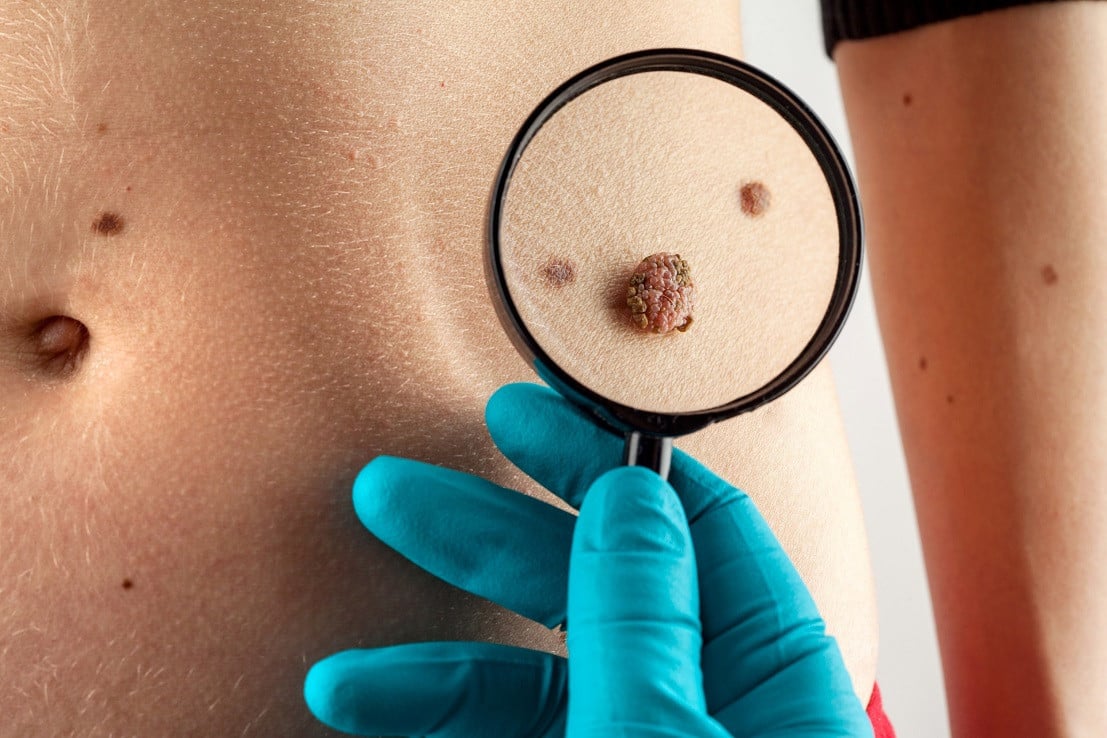
Moles are common skin growths that can appear anywhere on the body. Most moles are harmless, but some may be removed because they are irritated by clothing or jewelry, cause discomfort, have an unwanted appearance, or need to be examined because of changes that could indicate skin cancer.
Mole removal is usually a straightforward procedure performed by a dermatologist, dermatologic surgeon, or another appropriately qualified medical professional. The exact technique depends on the mole's size, location, appearance, and whether the doctor needs to examine the tissue under a microscope.
Why Are Moles Removed?
There are several reasons why a mole may be removed. A doctor may recommend removal when a mole has features that require further examination. Changes in its size, shape, color, or surface can sometimes warrant evaluation for melanoma or other skin conditions.
Moles may also be removed for non-medical reasons. For example, a raised mole may repeatedly catch on clothing, become irritated while shaving, or rub against jewelry. Some people choose to have benign moles removed because they are unhappy with their appearance.
Importantly, not every mole needs to be removed. A dermatologist can examine the mole and determine whether monitoring or removal is appropriate.
What Happens During the Consultation?
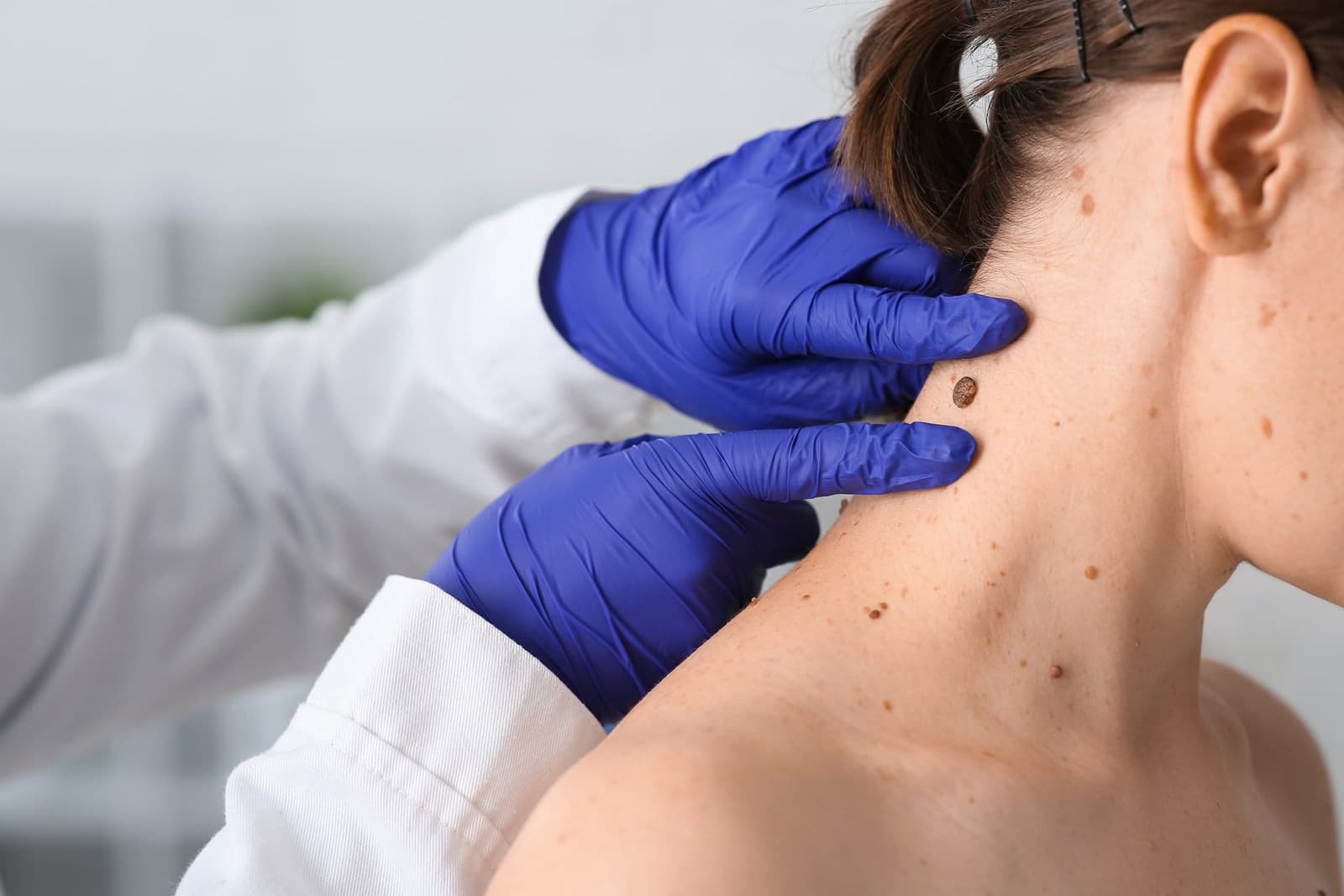
The process usually begins with a consultation. Your doctor will examine the mole and may use a dermatoscope, a specialized device that provides a magnified view of the skin.
During the assessment, the doctor may ask when you first noticed the mole and whether it has changed over time. Information about previous skin problems, family history of skin cancer, and previous mole removals may also be relevant.
If the mole looks suspicious, your doctor may recommend removing it so that the tissue can be examined by a pathologist. This laboratory examination, known as histopathology, can help determine what type of lesion was removed and whether abnormal or cancerous cells are present.
Which Mole Removal Method Will Be Used?
The appropriate technique depends on the characteristics of the mole.
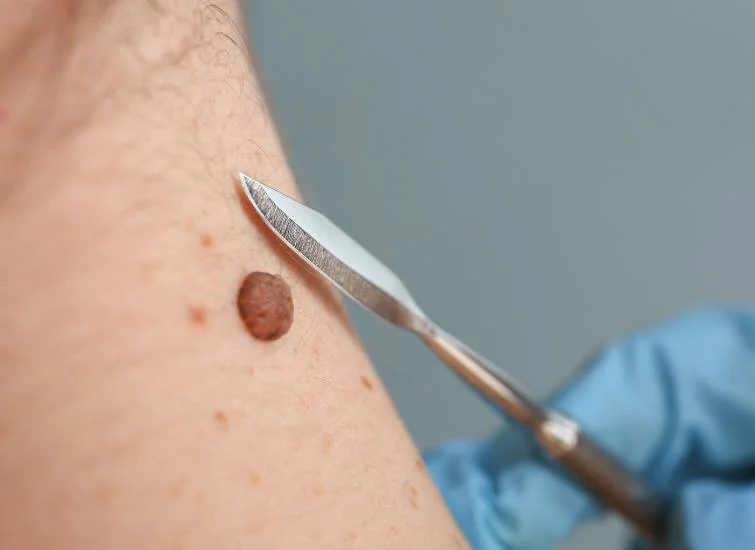
Shave Excision: With a shave excision, the doctor uses a surgical blade or similar instrument to remove a raised mole from the skin. This method may be suitable for certain superficial or raised lesions.
Surgical Excision: Surgical excision involves removing the mole along with a portion of surrounding skin. The edges of the wound are then usually closed with stitches.
Punch Excision: A punch biopsy or punch excision uses a small circular instrument to remove a cylindrical section of skin. Depending on the size and depth of the area removed, stitches may be required.
Will Mole Removal Hurt?
Most mole removal procedures are performed using local anesthesia. The doctor injects a numbing medication into the skin around the mole so that you should not feel significant pain during the procedure.
The injection itself may cause a brief stinging or burning sensation. Once the area is numb, you may feel pressure, pulling, or movement, but you should generally not experience sharp pain.
After the procedure, the anesthetic gradually wears off. The area may then feel tender, sore, or slightly uncomfortable. Your doctor can explain which pain-relief options are appropriate if you need them.
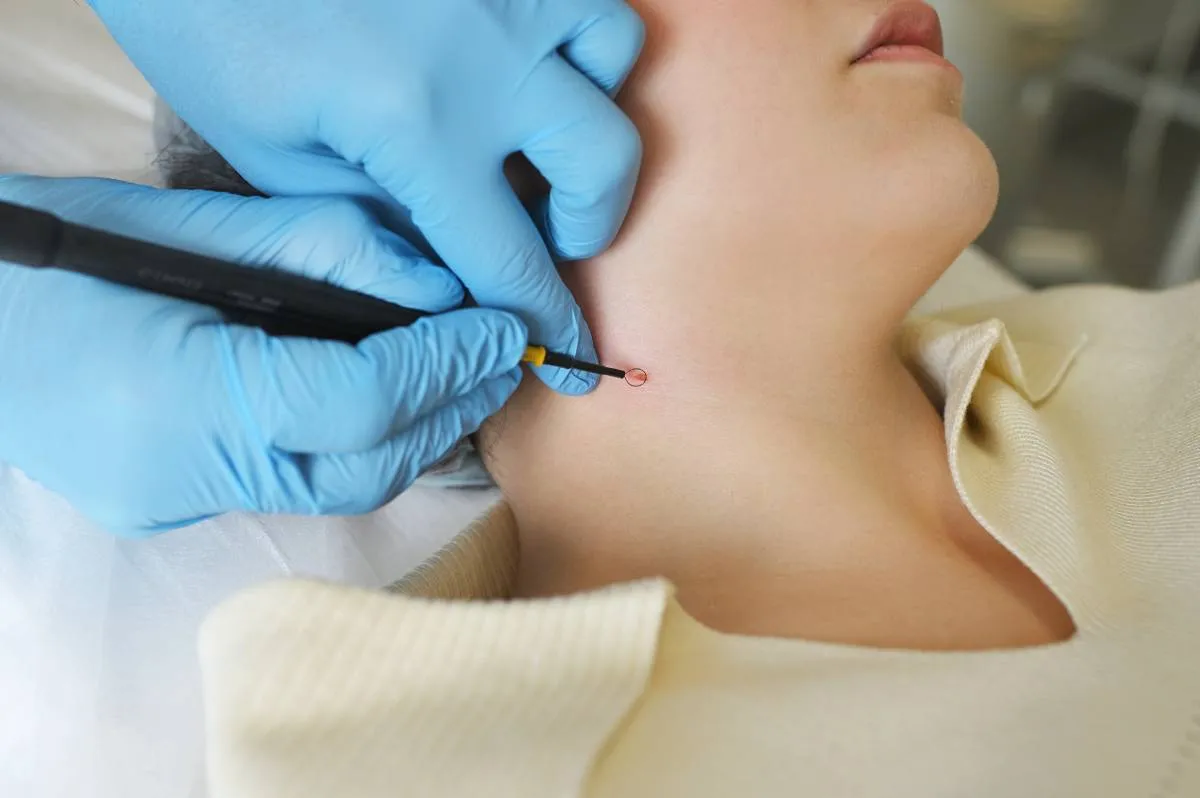
What Happens Immediately After Mole Removal?
After the mole has been removed, the doctor will clean the area and may apply a dressing. If stitches were used, you will receive instructions about keeping the wound clean and when the stitches need to be removed.
The treated area may appear red or swollen immediately afterward. Depending on the removal technique, you may also notice a small wound, scab, or crust.
Your doctor should provide specific aftercare instructions because wound care can vary depending on the size and location of the removal site.
What Is Mole Removal Recovery Like?
Recovery depends on the removal technique, the size of the mole, and where it was located.
A small superficial wound may heal relatively quickly, while a larger surgical excision can take longer. During the healing process, the area may initially appear red or pink before gradually becoming less noticeable.
It is important not to pick at a scab or scratch the treated area. Doing so can interfere with healing and potentially increase the risk of infection or scarring. Follow your doctor's instructions regarding washing the area, changing dressings, applying recommended products, and returning to normal activities.
Will Mole Removal Leave a Scar?
Any procedure that cuts or removes skin can potentially leave a scar. The appearance of the final scar depends on several factors, including the removal technique, size and depth of the wound, location, genetics, and how your skin heals.
Surgical excision generally creates a scar because a section of skin is removed and the wound is closed with stitches. Shave removal may result in a flatter mark, although changes in skin color or texture can sometimes remain.
Scars often change over time. A scar that initially appears red, raised, or prominent may gradually become flatter and less noticeable over the following months.
Your doctor can discuss the expected appearance of the scar before the procedure, particularly if the mole is located on a visible area such as the face.
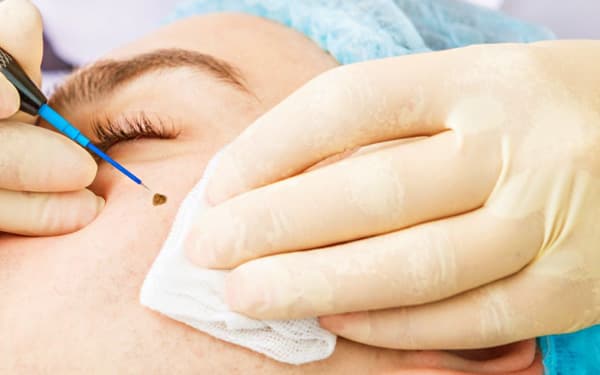
What Happens to the Removed Mole?
When a mole is removed because there is a medical reason to evaluate it, the tissue may be sent to a pathology laboratory.
A pathologist examines the tissue under a microscope to determine its characteristics. The report may identify the type of mole or other skin lesion and indicate whether abnormal cells are present.
Not every mole removal necessarily requires the same type of laboratory evaluation, so your doctor can explain whether your tissue will be submitted for histopathological examination and how you will receive the results.
If the pathology report identifies an abnormality or if the lesion was not completely removed, your doctor may recommend additional treatment or follow-up.
What Should You Avoid After Mole Removal?
Your doctor may recommend temporarily avoiding activities that could irritate the wound.
Depending on the location, this may include strenuous exercise, swimming, soaking the wound, or activities that cause excessive friction or sweating. You should follow the specific instructions provided by your healthcare professional.
Protecting the healing area from excessive sun exposure is also important. Ultraviolet exposure can make some scars or areas of altered pigmentation more noticeable. Once the wound has healed, your healthcare provider may recommend appropriate sun protection.
When Should You Contact Your Doctor?
Mild redness, tenderness, swelling, or discomfort can occur after mole removal. However, certain symptoms may indicate a complication and should be evaluated.
Contact your healthcare provider if you develop increasing pain, significant swelling, persistent bleeding, spreading redness, warmth around the wound, pus or other unusual drainage, or fever.
You should also follow up if the wound does not appear to be healing as expected.
Can a Mole Grow Back After Removal?
Whether a mole can return depends partly on the removal technique. If some mole cells remain after a superficial removal, pigmentation or a portion of the lesion may sometimes reappear.
A recurrent lesion should be assessed by a healthcare professional, particularly if it changes in appearance. Do not assume that a new or changing mark at a previous removal site is simply normal regrowth.
Is Mole Removal Safe?
Mole removal is generally considered a routine procedure when performed by an appropriately qualified professional. However, as with any medical procedure, possible complications can include bleeding, infection, scarring, changes in skin pigmentation, or recurrence.
The best approach depends on the individual lesion. Attempting to remove a mole yourself with cutting, burning, or unregulated products can cause injury, infection, scarring, and potentially delay the diagnosis of skin cancer.
Conclusion
Having a mole removed is usually a relatively simple procedure, but the experience can vary depending on the type, size, location, and appearance of the mole and the removal technique selected. Depending on the situation, the doctor may perform a shave excision, surgical excision, or another biopsy technique. The removed tissue may be sent to a pathology laboratory for examination, particularly when there is a medical reason to investigate the lesion.
Read More