


Blood testing is one of the most common and valuable diagnostic tools in modern medicine. A blood test can provide important information about how the body is functioning, help doctors identify potential health problems, monitor existing medical conditions, and assess how well a treatment is working. Because blood circulates throughout the body, it can provide clues about the function of many organs and systems.
What Is a Blood Test?
A blood test is a laboratory examination performed on a sample of blood taken from a vein, artery, or sometimes a fingertip. The sample is analyzed to measure specific substances or evaluate the characteristics of blood cells.
Different blood tests provide different types of information. Some tests examine the number and characteristics of blood cells, while others measure substances released by organs or assess metabolic, hormonal, immune, or nutritional functions. Doctors may order a single blood test or a group of tests depending on a patient's symptoms, medical history, age, and treatment needs.
Why Are Blood Tests Performed?
Blood tests can be used for many purposes. They may be performed as part of a routine health examination or because a patient has specific symptoms. Common reasons for blood testing include:
Detecting or helping diagnose diseases
Monitoring chronic medical conditions
Checking organ function
Evaluating nutritional deficiencies
Measuring hormone levels
Detecting infections
Assessing blood clotting
Monitoring medications and treatments
Evaluating cardiovascular risk
Preparing for surgery or another medical procedure
Blood testing can also help doctors identify health problems before noticeable symptoms develop. However, blood tests are usually interpreted together with a patient's medical history, physical examination, and other diagnostic findings rather than being considered in isolation.

What Are the Most Common Types of Blood Tests?
There are many different blood tests, and the appropriate tests depend on the patient's individual circumstances.
Complete Blood Count (CBC)
A complete blood count is one of the most frequently performed blood tests. It evaluates different types of blood cells, including red blood cells, white blood cells, and platelets. A CBC can provide information about hemoglobin levels, hematocrit, and the size and characteristics of red blood cells. It can also provide information about white blood cells and platelets.
Doctors may use a CBC when investigating conditions such as anemia, infections, inflammation, or certain blood disorders. It can also be used to monitor patients receiving particular medical treatments.
Comprehensive Metabolic Panel (CMP)
A comprehensive metabolic panel measures multiple substances in the blood and provides information about metabolism and the function of several organs. Depending on the laboratory and specific panel, it may include measurements related to blood glucose, electrolytes, proteins, and markers associated with liver and kidney function.
A CMP can help doctors evaluate general health and investigate symptoms or conditions affecting metabolism, the kidneys, or liver.
Blood Glucose Testing
Blood glucose tests measure the amount of glucose, or sugar, in the blood. They are commonly used to screen for and monitor diabetes and other disorders involving blood sugar regulation. Testing may be performed while fasting, after eating, or at another specified time depending on the purpose of the test.
Hemoglobin A1C is another important blood test related to glucose control. Rather than measuring glucose at one particular moment, it provides an estimate of average blood sugar levels over the preceding several months.

Lipid Profile
A lipid profile measures fats in the blood and is commonly used to evaluate cardiovascular health. It may measure total cholesterol, LDL cholesterol, HDL cholesterol, and triglycerides. The results can help healthcare professionals assess cardiovascular risk and determine whether lifestyle changes or treatment may be appropriate.
The interpretation of cholesterol results depends on several factors, including age, medical history, and other cardiovascular risk factors.
Liver Function Tests
Liver blood tests measure substances associated with liver function or injury. They may include enzymes and proteins such as ALT, AST, alkaline phosphatase, bilirubin, and albumin. These tests can help doctors investigate possible liver problems and monitor people who already have liver disease or are receiving treatments that may affect the liver.
Abnormal results do not necessarily mean that a person has liver disease. Additional evaluation may be required to determine the cause.
Kidney Function Tests
Blood tests can provide important information about kidney function. Creatinine and blood urea nitrogen are among the substances commonly measured when assessing kidney health. Healthcare professionals may also use estimated glomerular filtration rate (eGFR), which is calculated using laboratory results and other patient information, to assess kidney filtration.
Kidney-related blood testing may be used for routine monitoring, evaluation of symptoms, or follow-up of known kidney conditions.
Thyroid Function Tests
Thyroid blood tests are used to evaluate thyroid function. Thyroid-stimulating hormone (TSH) is commonly measured, and additional tests such as free T4 may be ordered depending on the clinical situation.
These tests can help doctors investigate symptoms associated with an overactive or underactive thyroid and monitor patients receiving thyroid treatment.
Hormone Testing
Blood tests can measure many different hormones, depending on the patient's symptoms and medical needs. These may include reproductive hormones, thyroid hormones, adrenal hormones, and others.
Hormone testing can be used in the evaluation of conditions affecting the endocrine or reproductive systems. The timing of certain hormone tests may be important because hormone levels can naturally change throughout the day or during specific stages of the menstrual cycle.
Blood Clotting Tests
Coagulation tests evaluate how effectively blood clots. Common examples include prothrombin time (PT), international normalized ratio (INR), and activated partial thromboplastin time (aPTT).
These tests can be useful for evaluating abnormal bleeding or clotting and for monitoring certain medications that affect blood coagulation.
Blood Tests for Infections
Certain blood tests can help identify infections by detecting microorganisms, antibodies, antigens, or changes in blood cells.
Depending on the suspected infection, doctors may order specific tests rather than a general infection blood test. Blood cultures, for example, can be used to detect certain bacteria or fungi in the bloodstream.

How Is a Blood Test Performed?
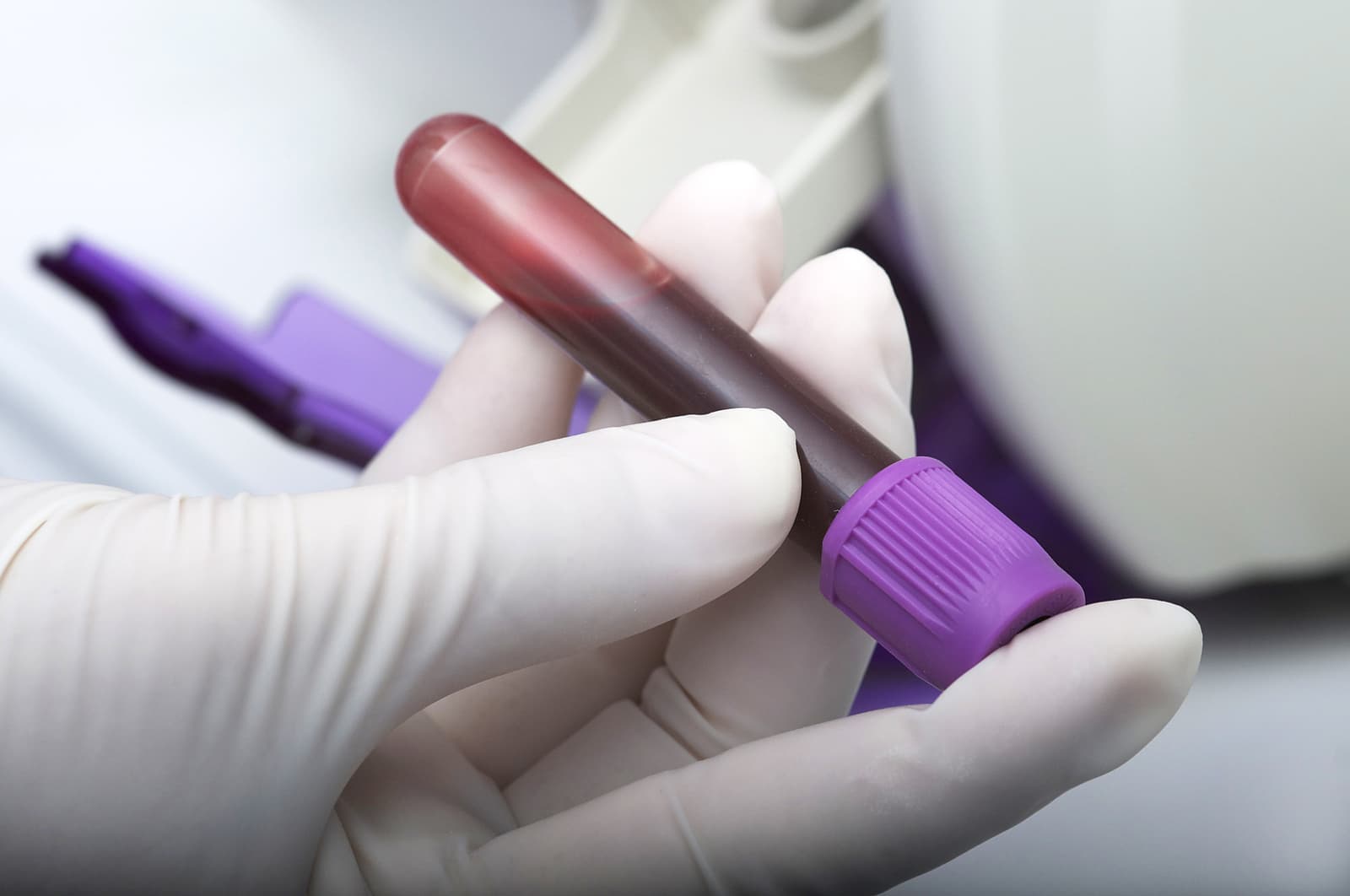
Most routine blood tests are relatively quick. A healthcare professional usually cleans the skin and inserts a sterile needle into a vein, commonly in the arm. A small amount of blood is collected into one or more laboratory tubes. The needle is then removed and the puncture site is covered with gauze or a bandage.
The actual blood collection usually takes only a few minutes. Some people experience brief discomfort when the needle enters the skin, while others may experience mild bruising afterward.
How Should You Prepare for a Blood Test?
Preparation depends on the specific blood test. Some tests require no special preparation, while others may require fasting. If fasting is required, the healthcare provider will explain how long you should avoid food and whether you can drink water. Patients should follow the laboratory or doctor's instructions rather than assuming that every blood test requires fasting.
It is also important to tell your healthcare provider about medications, supplements, allergies, and relevant medical conditions. Do not stop taking prescribed medication unless a healthcare professional specifically instructs you to do so. Staying properly hydrated with water can make blood collection easier for some people, unless you have been given different instructions.
What Happens After Blood Testing?
After the sample is collected, it is transported to a laboratory for analysis. The results are then reviewed by the healthcare provider in the context of the patient's symptoms, medical history, and other findings.
A result outside the laboratory's reference range does not automatically indicate disease. Similarly, a result within the reference range does not always rule out a medical condition. Doctors may recommend repeat testing, additional laboratory tests, imaging, or other examinations when necessary.
Are Blood Tests Safe?
Blood testing is generally considered a safe and routine procedure. Most people experience little more than temporary discomfort. Possible minor effects include bruising, soreness, lightheadedness, or a small amount of bleeding at the puncture site. Serious complications are uncommon.
Patients who are prone to fainting during blood collection should tell the healthcare professional beforehand. Sitting or lying down during the procedure can help reduce the risk of injury if dizziness occurs.
Conclusion
Blood testing is a fundamental component of modern healthcare and can provide valuable information about blood cells, organ function, metabolism, hormones, immune responses, and many other aspects of health. From routine complete blood counts and cholesterol testing to specialized hormone, infection, and coagulation tests, there are numerous blood tests designed for different diagnostic purposes.
Read More