


Buccal fat removal is a cosmetic procedure designed to reduce fullness in the lower cheeks by surgically removing part of the buccal fat pad. While the procedure can create a more sculpted and defined facial appearance, it is not the right choice for everyone. Some people may be concerned about the permanent nature of removing facial fat, while others may simply want to improve facial definition without undergoing surgery.
Fortunately, there are several alternatives to buccal fat removal. These treatments target different causes of facial fullness, including excess body fat, prominent jaw muscles, localized fat deposits, skin laxity, and facial proportions. Depending on your anatomy and aesthetic goals, options may include overall weight loss, Masseter Botox, facial liposuction, dermal fillers, jawline and chin treatments, energy-based skin tightening, non-surgical fat reduction, and cheekbone enhancement.
Why Consider an Alternative to Buccal Fat Removal?
Buccal fat is a naturally occurring fat compartment that contributes to the shape and volume of the cheeks. Unlike some temporary cosmetic treatments, removing the buccal fat pad produces a permanent reduction in this particular fat compartment.
Although this can provide attractive results for carefully selected patients, facial volume naturally changes with age. The face can gradually lose fat and collagen over time, meaning that excessive removal of facial fat at a younger age could potentially contribute to a hollow or gaunt appearance later.
For this reason, some patients prefer approaches that are less invasive, reversible, temporary, or more precisely targeted. The ideal treatment depends on the reason behind facial fullness. A qualified cosmetic surgeon or aesthetic physician can assess the cheeks, jaw muscles, skin quality, fat distribution, and facial proportions before recommending an appropriate option.
Overall Weight Loss
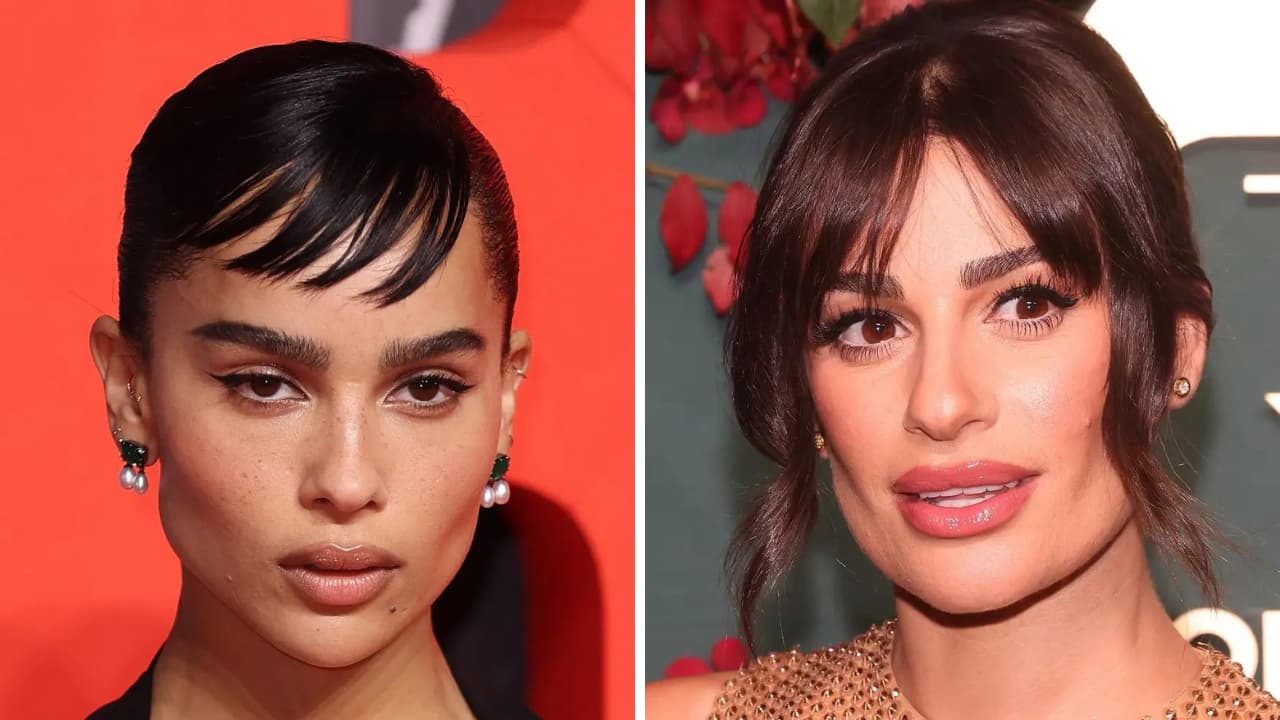
If facial fullness is related to overall excess body fat, achieving and maintaining a healthy weight may naturally make the face appear slimmer. When the body loses fat, some people notice changes in the cheeks, jawline, and neck. However, it is important to understand that spot reduction is not possible through diet or exercise. You cannot specifically instruct the body to burn fat only from the cheeks.
The extent of facial change also varies considerably between individuals. Genetics, age, hormones, and natural fat distribution all influence where the body stores and loses fat. For people who are already at a healthy weight and have naturally full cheeks, additional weight loss may not produce the desired facial contour and may not be an appropriate strategy.
Masseter Botox
Not all facial width comes from fat. In some people, the lower face appears broad because the masseter muscles, which are involved in chewing, are particularly prominent. Masseter Botox involves injecting botulinum toxin into these muscles. The treatment temporarily reduces muscle activity, and over time the masseter muscles may become smaller. This can make the lower third of the face appear narrower.
Masseter Botox can be particularly useful for people whose concern is a square or wide jawline rather than roundness in the cheeks. The results are temporary, and repeat treatments may be necessary. It also does not remove cheek fat, so it is not a direct replacement for buccal fat removal in every patient.
Facial Liposuction
Facial liposuction can be used to remove localized deposits of superficial fat from selected areas of the face, jawline, or neck. Depending on the patient's anatomy, procedures such as submental or jawline liposuction may improve the definition between the chin, neck, and lower face. This can create a more sculpted appearance without removing the deeper buccal fat pad.
However, facial liposuction is still a surgical procedure and therefore involves risks, recovery, and the need for appropriate patient selection. It is also important to distinguish facial liposuction from buccal fat removal. The two procedures address different fat compartments, and one cannot automatically substitute for the other.
Chin and Jawline Treatments
Sometimes the cheeks look fuller because the chin or jawline lacks definition. In these cases, the solution may not be to remove cheek fat at all. Improving chin projection and jawline definition can change the overall proportions of the face and make the lower face appear more sculpted. Depending on individual anatomy, options can include:
Injectable treatments
Surgical facial contouring
For patients with a relatively small or recessed chin, improving chin projection may create better facial balance without removing cheek volume. A detailed facial assessment is particularly important because adding volume in one area can sometimes create better definition elsewhere.

Dermal Fillers
It may seem counterintuitive to use fillers when someone wants a slimmer-looking face. However, strategically placed dermal fillers can improve facial proportions and create the appearance of greater definition. Fillers may be used in areas such as the chin, cheekbones, or jawline. Enhancing certain facial structures can increase contrast between different parts of the face, potentially making the overall appearance look more sculpted.
One advantage is that many modern fillers are temporary and can be adjusted over time. However, fillers are medical procedures and can have complications, so they should be administered by an appropriately qualified professional with detailed knowledge of facial anatomy.
Energy-Based Skin Tightening
Facial fullness can sometimes be partly related to skin laxity rather than excess fat. When the skin loses elasticity, the jawline may appear less defined and the lower face can look heavier. Energy-based treatments, including certain radiofrequency and ultrasound-based technologies, aim to improve skin firmness and stimulate tissue remodeling.
These treatments generally do not produce the same type of fat reduction as surgery. Instead, they may be considered when mild skin laxity is the primary concern. They can be particularly appealing to people who want a non-surgical approach and have realistic expectations about gradual improvements.
Non-Surgical Fat Reduction
Certain non-surgical technologies are designed to reduce localized fat without traditional surgery. Depending on the technology and treatment area, these procedures may use controlled cooling, energy, or other mechanisms to target fat cells. However, facial fat reduction requires particular caution. The face contains important nerves, blood vessels, glands, and other delicate structures. Not every body-contouring technology is suitable for the cheek area.
For this reason, patients should not assume that a treatment marketed for abdominal or body fat reduction is automatically appropriate for facial use. A qualified practitioner should determine whether a specific technology is appropriate for the particular facial area being treated.
Cheekbone Enhancement
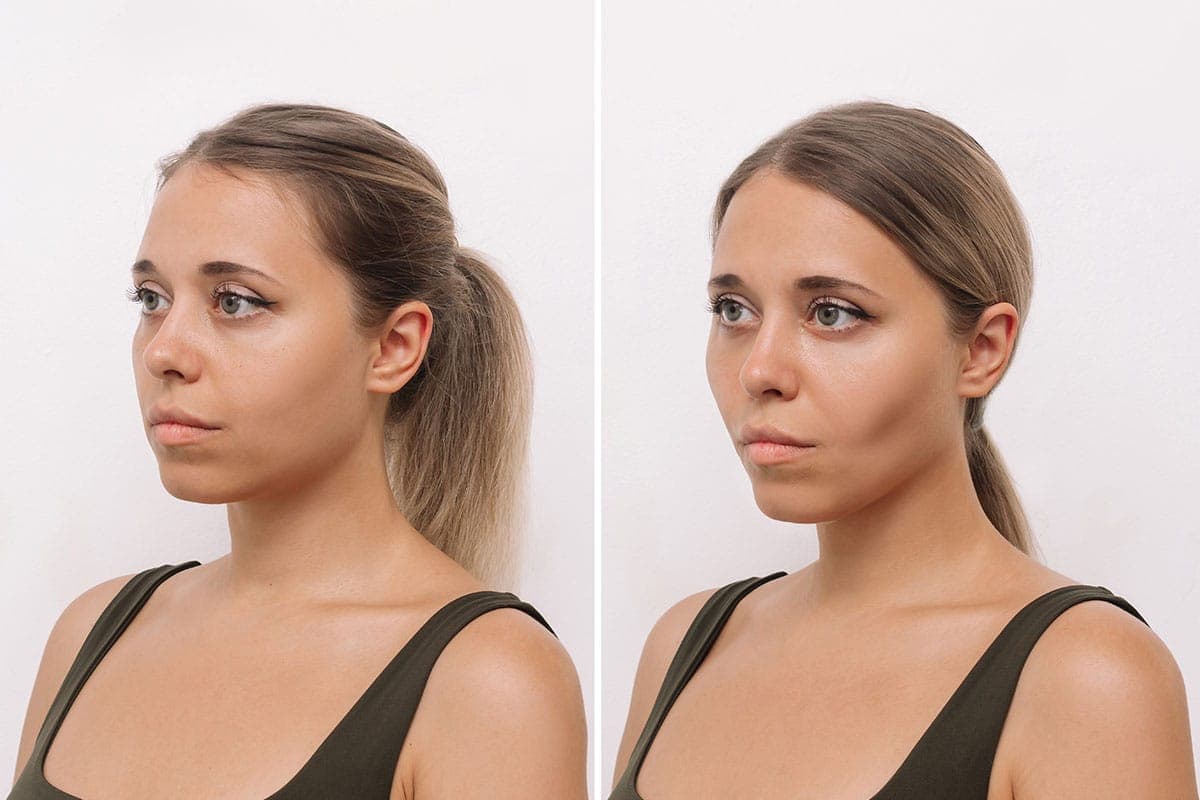
Another way to make the face look slimmer is to improve the definition of the cheekbones. Prominent cheekbones can create a natural transition between the upper and lower portions of the face, potentially producing a more sculpted appearance without removing cheek fat.
Cheekbone enhancement may involve carefully placed dermal filler or, in selected cases, surgical augmentation. This approach can be particularly useful when the issue is facial proportions rather than excessive fat. Instead of taking volume away, the treatment creates definition by enhancing an existing facial structure.
Choosing the Right Alternative
There is no single alternative to buccal fat removal that works for everyone. The appropriate option depends on why the face appears full in the first place. For example:
General excess body fat: Weight management may help.
Prominent masseter muscles: Masseter Botox may be appropriate.
Localized superficial fat: Facial or submental liposuction may be considered.
Weak chin or jawline definition: Chin or jawline enhancement may help.
Loss of facial definition due to volume distribution: Dermal fillers may improve proportions.
Mild skin laxity: Energy-based skin tightening may be useful.
Localized fat with appropriate anatomy: A suitable non-surgical fat-reduction procedure may be considered.
Poor cheekbone definition: Cheekbone enhancement may create a more sculpted appearance.
In some cases, a combination of treatments may produce a more balanced result than relying on a single procedure.
Why Professional Assessment Matters
Facial contouring should be approached as an individualized treatment rather than simply a process of removing as much fat as possible. During a consultation, a qualified specialist may evaluate the patient's facial structure, skin elasticity, fat distribution, muscle prominence, chin projection, cheekbone structure, age, and aesthetic goals.
This assessment can help determine whether the perceived fullness actually comes from buccal fat or from another anatomical feature. Patients considering treatment abroad should also research the qualifications and experience of the medical professional, understand the expected recovery period, ask about potential complications, and make sure there is an appropriate plan for follow-up care.
Conclusion
Buccal fat removal is only one of several ways to achieve a slimmer or more defined facial appearance. For patients who do not want permanent removal of their natural cheek fat, alternatives such as overall weight loss, Masseter Botox, facial liposuction, chin and jawline treatments, dermal fillers, energy-based skin tightening, non-surgical fat reduction, and cheekbone enhancement may offer other approaches.
The best treatment depends on the underlying cause of facial fullness and the individual's desired outcome. While some options reduce fat or muscle volume, others work by improving skin firmness or changing facial proportions.
Read More