

Persian handwoven carpets are among the most celebrated artistic and cultural exports of Iran, admired worldwide for their intricate craftsmanship, symbolic patterns, and exceptional durability. Rooted in centuries of tradition, these carpets are more than decorative objects—they represent history, identity, and regional artistry. Each city in Iran produces carpets with distinctive designs, weaving techniques, and materials, making them highly sought-after by collectors, interior designers, and cultural enthusiasts.
In this guide, we explore six of the most renowned Persian carpet centers—Qom, Tabriz, Isfahan, Kerman, Zanjan, and Kermanshah—each offering unique characteristics that define the finest examples of handwoven Persian rugs.
Qom Carpets: Silk Masterpieces of Precision
Qom carpets are synonymous with luxury and finesse. Unlike many traditional rugs that use wool, Qom carpets are often woven entirely from silk, giving them a distinctive sheen and a soft, delicate texture. These rugs are typically smaller in size and are prized for their high knot density, sometimes exceeding one million knots per square meter.
The designs of Qom carpets are intricate and refined, often featuring central medallions, floral motifs, and arabesques inspired by classical Persian art. Because of their precision and use of premium materials, Qom rugs are considered investment pieces and are frequently displayed as wall hangings rather than floor coverings.
Their relatively modern origin—dating back to the early 20th century—has not diminished their reputation. On the contrary, Qom weavers have rapidly established themselves as masters of silk weaving, blending innovation with traditional Persian aesthetics.
Tabriz Carpets: Heritage and Versatility
Tabriz is one of the oldest and most important carpet-weaving centers in the world. Tabriz carpets are known for their diversity in design and exceptional craftsmanship. They are often made from high-quality wool, sometimes combined with silk, allowing for a wide range of textures and price points.
Typical patterns include medallion designs, pictorial scenes, and intricate floral arrangements. One of the defining features of Tabriz rugs is their remarkable precision, achieved through a weaving technique that allows for very fine detail.
Tabriz carpets are also highly durable, making them suitable for both decorative and practical use. Their long-standing reputation and adaptability to modern tastes have kept them at the forefront of the global carpet market.
Isfahan Carpets: Elegance and Artistic Harmony
Isfahan carpets are celebrated for their elegance and balanced compositions. Often woven using a combination of fine wool and silk, these rugs are known for their soft texture and luminous finish.
Designs from Isfahan frequently draw inspiration from the city’s architectural heritage, including motifs reminiscent of mosques, gardens, and palaces. Central medallions, symmetrical layouts, and delicate floral patterns are hallmarks of this style.
The craftsmanship of Isfahan carpets is meticulous, with high knot density ensuring both durability and intricate detail. These rugs are considered among the most sophisticated Persian carpets, ideal for formal interiors and collectors seeking refined artistry.
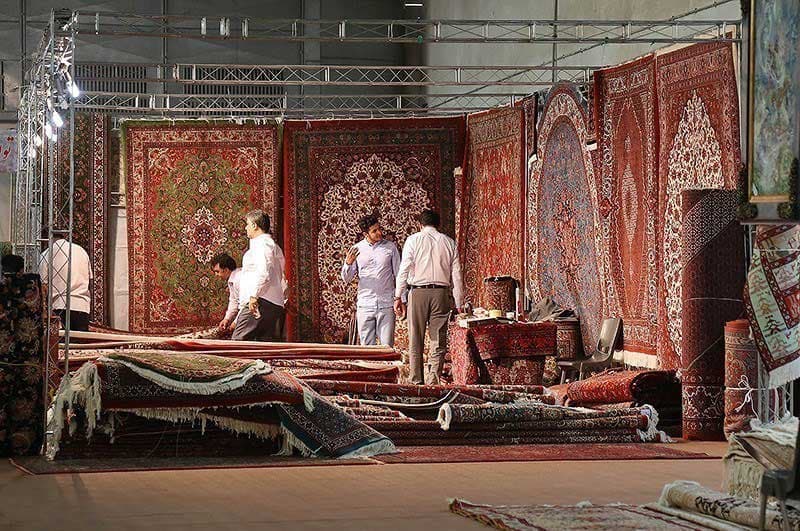
Kerman Carpets: Rich Colors and Narrative Designs
Kerman carpets are known for their vibrant color palettes and expressive designs. Historically, Kerman has been a major center of textile production, and its carpets reflect a rich artistic tradition.
These rugs often feature elaborate floral patterns, garden themes, and sometimes even narrative or pictorial elements. The use of natural dyes results in deep, harmonious colors that age beautifully over time.
Kerman carpets are typically made from high-quality wool, providing both softness and durability. Their artistic diversity and historical significance make them a favorite among collectors and enthusiasts who appreciate storytelling through design.
Zanjan Carpets: Rustic Charm and Durability
Zanjan carpets offer a more rustic and traditional aesthetic. These rugs are typically woven using locally sourced wool and natural dyes, resulting in earthy tones and a robust texture.
Designs are often geometric and tribal, reflecting the cultural heritage of the region. While they may not have the fine detail of silk carpets, Zanjan rugs are valued for their authenticity, strength, and practicality.
Their durability makes them ideal for everyday use, especially in high-traffic areas. For those seeking a genuine, handcrafted piece with a strong connection to local traditions, Zanjan carpets are an excellent choice.
Kermanshah Carpets: Tribal Influence and Bold Identity
Kermanshah carpets are deeply influenced by Kurdish weaving traditions. These rugs are characterized by bold patterns, strong colors, and a distinctive tribal identity.
Typically made from wool, Kermanshah carpets are thick, warm, and highly durable. Their designs often include geometric shapes, symbolic motifs, and asymmetrical compositions, giving them a unique and expressive character.
These carpets are particularly appealing to those who appreciate ethnic and tribal art forms. Their authenticity and cultural depth make them stand out in the world of Persian rugs.
Conclusion
Persian handwoven carpets are a testament to centuries of artistry, cultural expression, and technical mastery. Each region—whether it is the silk elegance of Qom, the versatility of Tabriz, the refined beauty of Isfahan, the colorful storytelling of Kerman, the rustic strength of Zanjan, or the tribal boldness of Kermanshah—offers something unique. Choosing the “best” Persian carpet ultimately depends on your personal preferences, intended use, and appreciation for specific styles.
Read More