

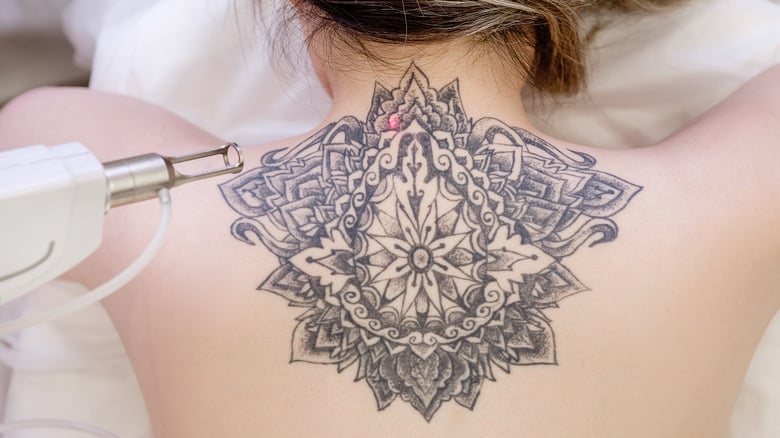
Pain is one of the most common concerns for people considering either getting a tattoo or removing an existing one. While everyone's pain tolerance is different, the sensation experienced during tattooing is generally different from the discomfort associated with tattoo removal. The location, size, technique, equipment, skin sensitivity, and individual pain threshold can all influence the experience.
What Does Getting a Tattoo Feel Like?
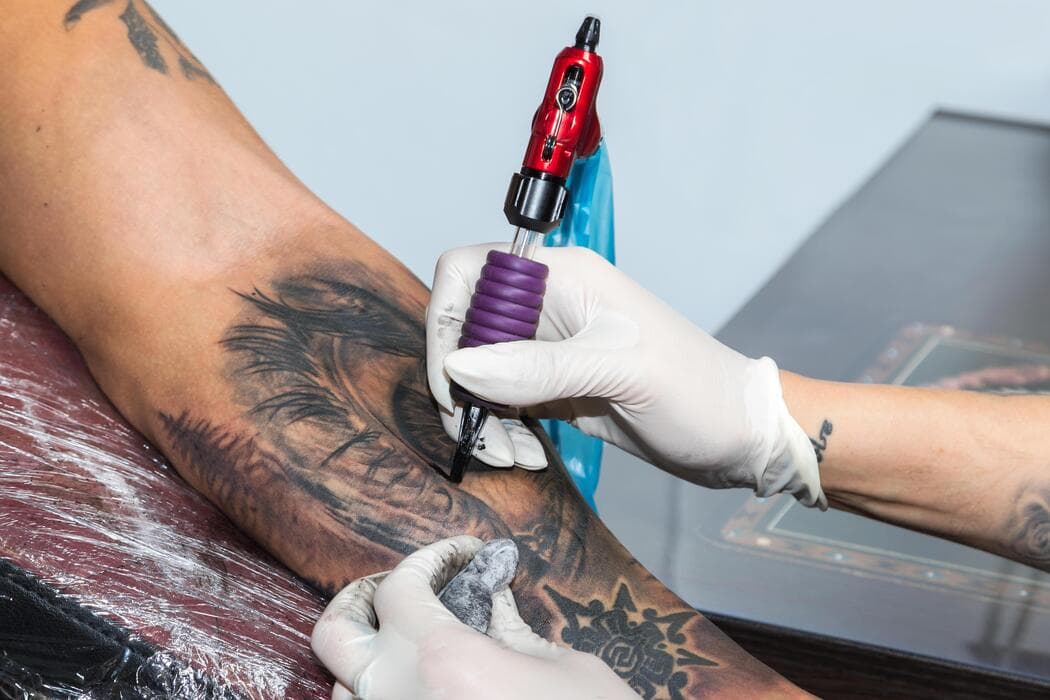
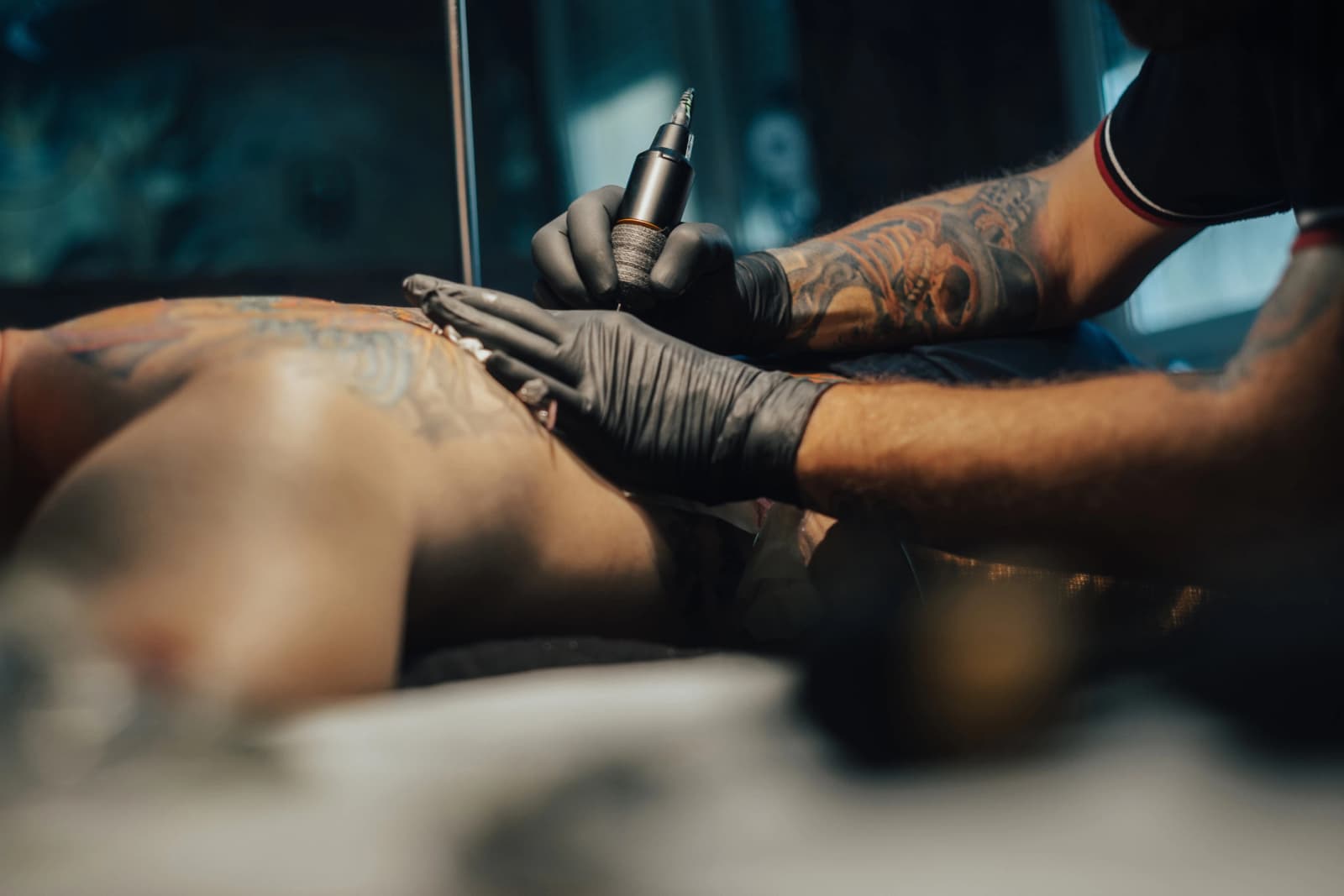
During tattooing, a tattoo machine repeatedly moves needles over the skin to deposit ink into the dermis. The sensation is often described as scratching, stinging, burning, or vibrating.
For many people, the discomfort is manageable, particularly during the beginning of the session. However, pain can become more noticeable as the session continues because the skin may become irritated and sensitive.
The experience can also vary depending on the tattoo design. Large tattoos may require several hours or multiple sessions, meaning that the skin is exposed to the tattooing process for a longer period.
Areas with more bone, less fatty tissue, or a high concentration of nerve endings can also feel more sensitive. For example, ribs, ankles, feet, knees, elbows, and certain areas of the spine are commonly considered more uncomfortable tattoo locations than areas with more cushioning.
Is Getting a Body Tattoo Painful?
Body tattoo pain varies considerably depending on where the tattoo is placed.
Areas such as the upper arm, outer thigh, shoulder, and calf are often considered relatively manageable for many people. In contrast, tattoos placed over bony areas or areas with thinner skin may cause greater discomfort.
The size and complexity of the tattoo also matter. A small, simple design may take only a short time, while a large tattoo involving shading and multiple colors can require several hours. Prolonged exposure to the needle can make the skin increasingly tender.
Your physical condition may also affect how you perceive discomfort. Being tired, dehydrated, hungry, or anxious may make the tattooing experience feel more difficult.
Are Eyebrow Tattoos Painful?
Eyebrow tattoos, including cosmetic procedures such as microblading and permanent eyebrow makeup, involve the delicate skin around the eyebrows. Because this area is close to the eyes and contains many sensitive structures, people may be concerned about pain.
However, eyebrow tattooing is generally performed with topical numbing products to reduce discomfort. Most people describe the sensation as scratching, pressure, or mild stinging rather than severe pain.
The procedure itself may cause some tenderness and redness afterward. The skin around the eyebrows can also feel sensitive while healing.
What Does Tattoo Removal Feel Like?
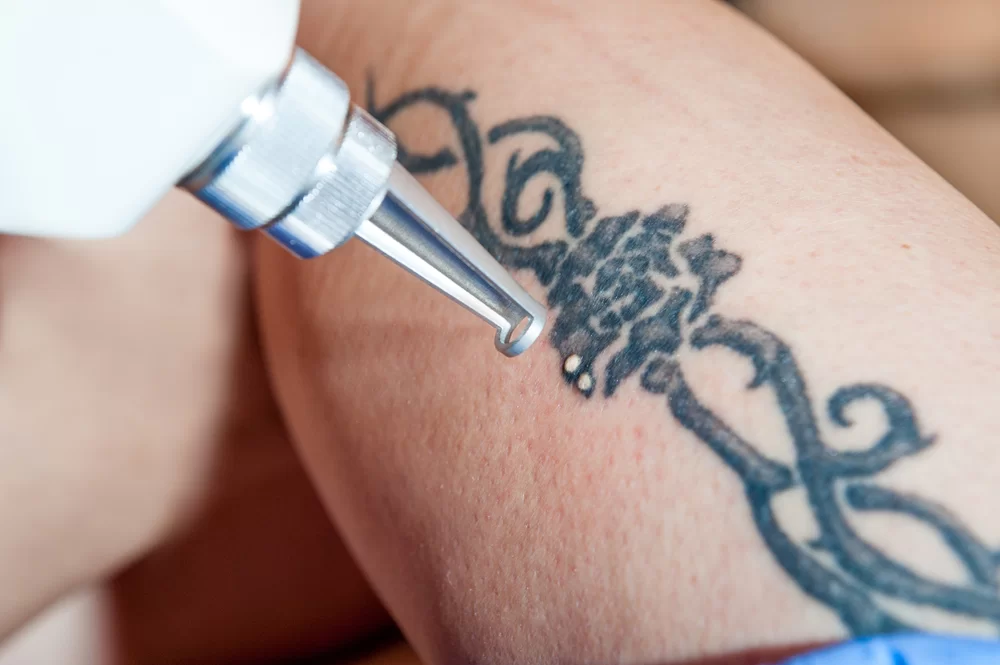
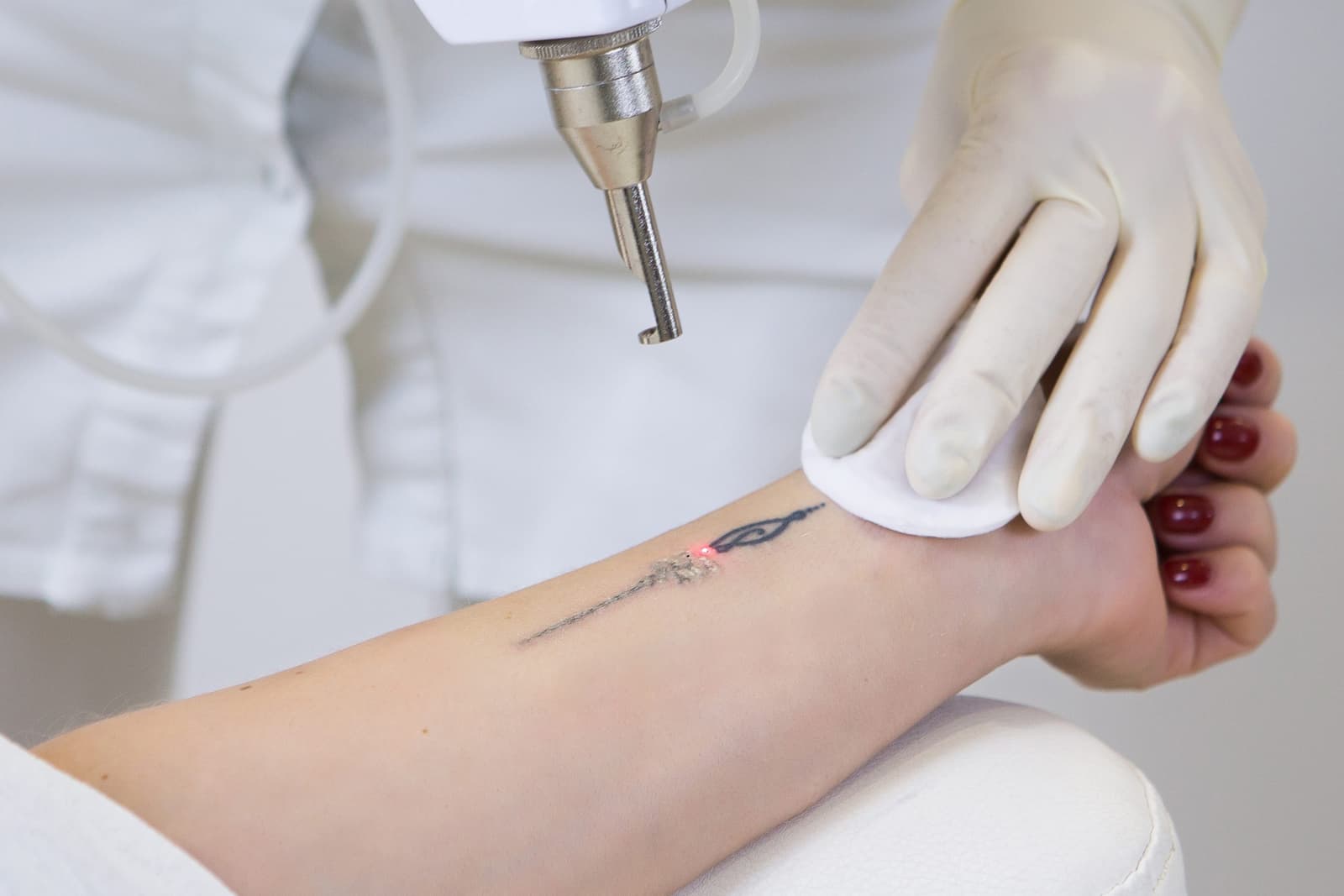
Tattoo removal can produce a different type of discomfort from getting a tattoo. Laser tattoo removal is one of the most commonly used approaches. During treatment, laser energy is directed toward tattoo pigment, breaking the pigment into smaller particles that the body can gradually clear.
Patients commonly describe laser pulses as feeling like tiny rubber bands snapping against the skin. Some people also experience a sensation of heat, stinging, or burning.
The treatment itself is generally much shorter than the original tattooing session, particularly when a small tattoo is being treated. However, individual laser pulses can feel relatively intense.
After treatment, the skin may remain warm, red, swollen, or tender for a period of time. Some tattoos may also develop temporary blistering or crusting as part of the healing response, depending on the laser, tattoo, and individual skin response.
Is Tattoo Removal More Painful Than Getting a Tattoo?
There is no single answer because pain is highly subjective. However, many people perceive the sensations differently rather than simply describing one procedure as more painful than the other. Tattooing usually involves a longer period of repeated needle stimulation. The discomfort can range from mild to significant depending on the location and duration.
Laser tattoo removal can produce sharper, more intense sensations during individual pulses, but the treatment itself is often considerably shorter. For example, someone might find a five-minute laser treatment more intense moment-to-moment than a 30-minute tattoo session, even though the overall treatment time is much shorter.
The number of sessions is another important consideration. Tattoo removal usually requires multiple sessions because the body needs time to eliminate fragmented pigment between treatments. Therefore, even if each individual session is short, the complete removal process can take considerably longer.
Is Eyebrow Tattoo Removal Painful?
Removing eyebrow tattoos can be uncomfortable because the procedure takes place close to the eyes and on relatively delicate skin. Laser treatment may cause sensations of snapping, heat, or stinging.
Because the treatment is performed near the eyes, appropriate eye protection is essential. Treatment should be performed by a qualified professional using equipment and settings appropriate for the specific type and color of pigment.
Eyebrow tattoo removal may also require particular consideration because cosmetic pigments can behave differently from traditional body tattoo ink. Some pigments may change color or react unpredictably when exposed to certain laser wavelengths.
What Factors Affect Tattoo Pain?
Several factors can influence how painful tattooing feels:
Tattoo Location: Areas with thin skin, little fatty tissue, or more nerve endings can be more sensitive. Bony locations are often more uncomfortable.
Tattoo Size: Larger tattoos require more time under the needle, potentially increasing overall discomfort.
Tattoo Style: Detailed work, shading, and repeated passes over the same area can increase skin irritation.
Individual Pain Tolerance: People experience pain differently. What feels mild to one person may feel considerably more uncomfortable to another.
Preparation: Being adequately rested, hydrated, and having eaten appropriately before the appointment may help you feel more comfortable.
What Factors Affect Tattoo Removal Pain?
Laser tattoo removal discomfort can also vary according to several factors.
Tattoo Color: Different pigments absorb laser wavelengths differently. Some colors may require specific laser technologies or multiple wavelengths.
Tattoo Size and Density: Larger or heavily pigmented tattoos generally require more laser pulses and may take longer to treat.
Tattoo Location: As with tattooing, some body areas are more sensitive than others.
Laser Technology: Different laser systems and wavelengths are designed to target different pigments. Modern laser technologies may also incorporate cooling or other methods intended to improve patient comfort.
Individual Skin Response: People's skin can respond differently to laser treatment. Your practitioner can explain what reactions are expected and how to care for the treated area afterward.
Can Pain Relief Be Used?
For both tattooing and tattoo removal, pain-management options may be available depending on the procedure and professional performing it.
Tattoo artists may use products designed to reduce discomfort, while medical professionals performing tattoo removal may use cooling systems or topical anesthetic preparations when appropriate.
However, anesthetic products should be used according to professional guidance. Applying an unsuitable product, using excessive amounts, or applying it incorrectly can create unnecessary risks.
Before treatment, discuss your pain concerns with your tattoo artist or medical practitioner. They can explain which comfort measures are appropriate for your particular procedure.
How Can You Prepare for Less Discomfort?
Although pain cannot always be eliminated, several practical steps may make the experience easier.
Get enough sleep before your appointment and maintain normal hydration. Eating an appropriate meal beforehand may also help prevent discomfort associated with hunger or low energy.
Avoid arriving at the appointment with irritated or sunburned skin. For laser tattoo removal, follow the provider's instructions regarding sun exposure and skincare before and after treatment.
It is also important to follow aftercare instructions carefully. Avoid picking, scratching, or unnecessarily irritating treated skin, and follow recommendations regarding cleansing, moisturizing, sun protection, and physical activity.
Should Pain Determine Whether You Get or Remove a Tattoo?
Pain is only one consideration when deciding whether to get or remove a tattoo.
For a new tattoo, you should also consider the design, placement, permanence, artist's qualifications, hygiene standards, and long-term commitment.
For tattoo removal, factors such as the tattoo's age, color, depth, size, location, and type of pigment can influence the expected treatment course.
Complete removal is not always guaranteed, and some tattoos may leave changes in pigmentation or texture. A professional assessment can help establish realistic expectations before treatment begins.
Conclusion
Getting a tattoo and removing one can both cause discomfort, but they generally feel different. Tattooing often produces a repetitive scratching or stinging sensation that can continue for an extended period, while laser tattoo removal may feel like short, intense snaps, heat, or stinging. Ultimately, there is no universal answer to whether tattooing or tattoo removal hurts more.
Read More