

Tattoos can be a meaningful form of self-expression, but personal preferences can change over time. A tattoo that once represented an important relationship, belief, memory, or aesthetic preference may eventually become something a person would rather conceal or eliminate. Fortunately, people who regret a tattoo have several options, with tattoo removal and tattoo cover-up being two of the most popular.
Although both approaches can help people move on from an unwanted tattoo, they have very different objectives. Tattoo removal attempts to significantly reduce or eliminate the existing tattoo, while a cover-up uses a new tattoo design to conceal the original artwork. Choosing between the two depends on several factors, including the characteristics of the existing tattoo, the desired final appearance, budget, time commitment, and whether the person wants to continue having a tattoo in that location.
What Does Tattoo Removal Entail?
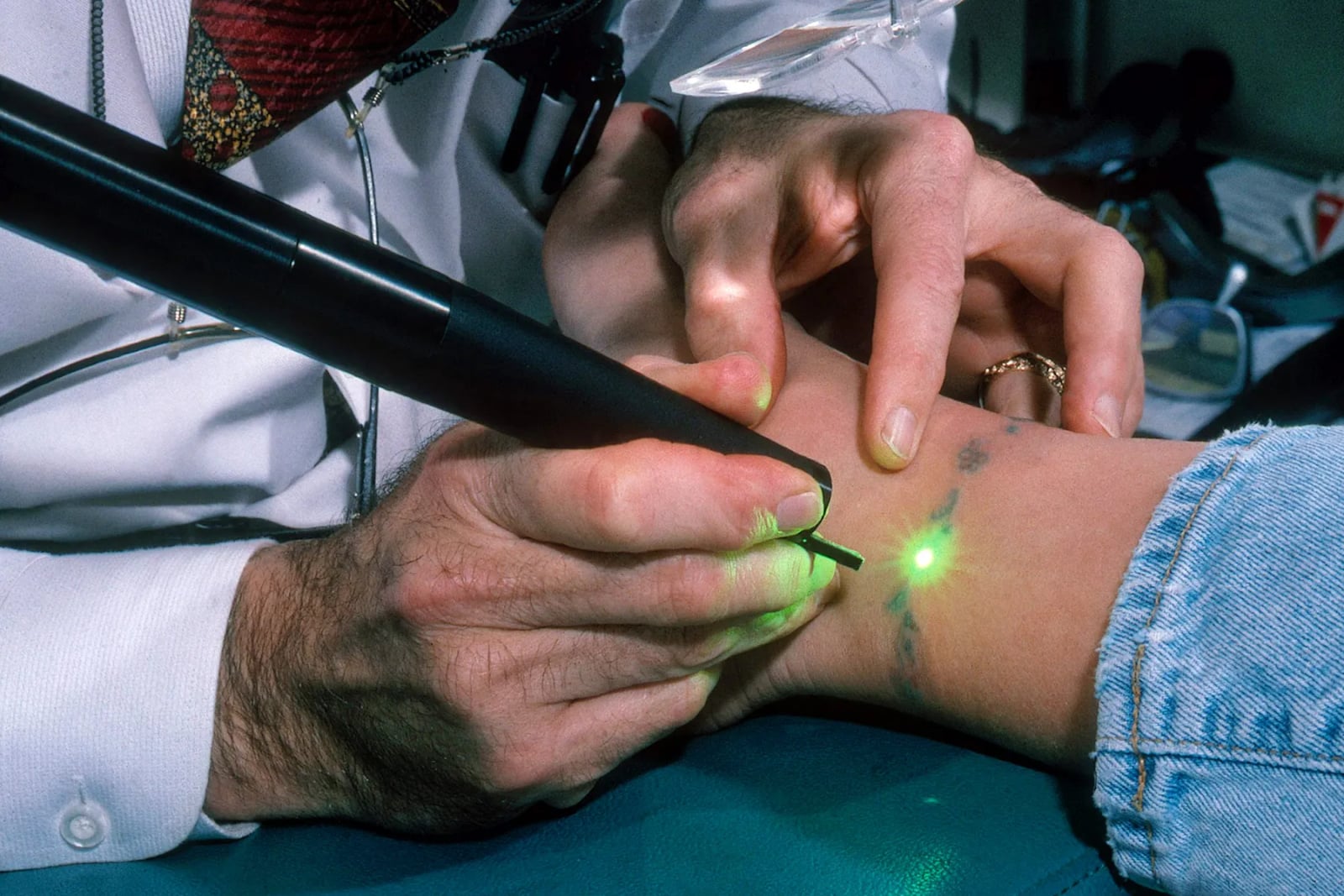
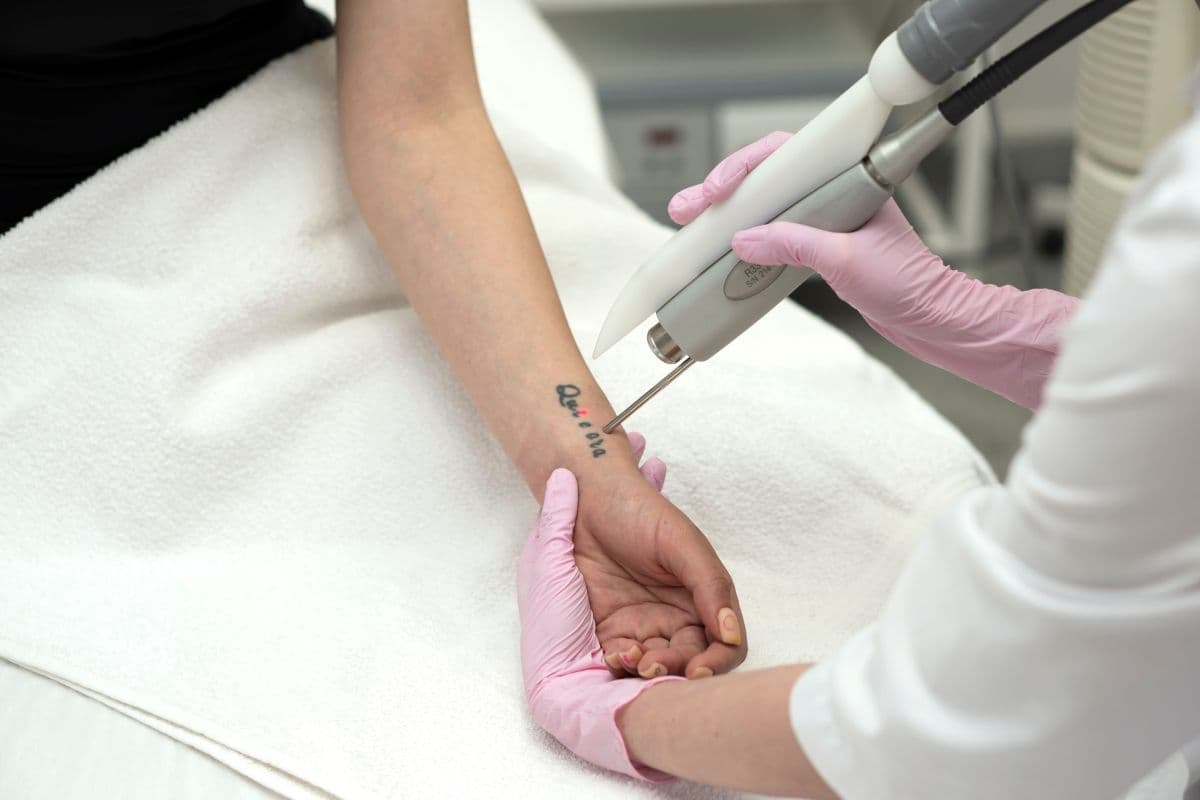
Tattoo removal is a medical or cosmetic procedure designed to break down tattoo pigment so that the body can gradually eliminate it. Today, laser technology is the most commonly used approach for removing unwanted tattoos.
Laser tattoo removal works by delivering controlled energy into the skin. The energy is absorbed by tattoo pigments, causing them to break into much smaller particles. The body's natural processes can then gradually remove these fragmented particles.
Several treatment sessions are usually necessary because tattoo ink is deposited at different depths within the skin, and the body needs time between sessions to clear the fragmented pigment. The exact number of treatments varies significantly according to the tattoo's size, color, location, age, ink composition, and the individual's response to treatment. Black and dark-blue pigments often respond relatively well to certain laser wavelengths, while some other colors can be more challenging. Modern laser systems may use different wavelengths to target different pigment colors.
Tattoo removal does not always result in completely clear skin. Some tattoos may leave behind a faint shadow or residual pigment, particularly when certain colors or older tattooing techniques are involved. Scarring or changes in skin pigmentation can also occur, although appropriate treatment techniques and professional care can help reduce potential complications.
What Does a Tattoo Cover-Up Entail?
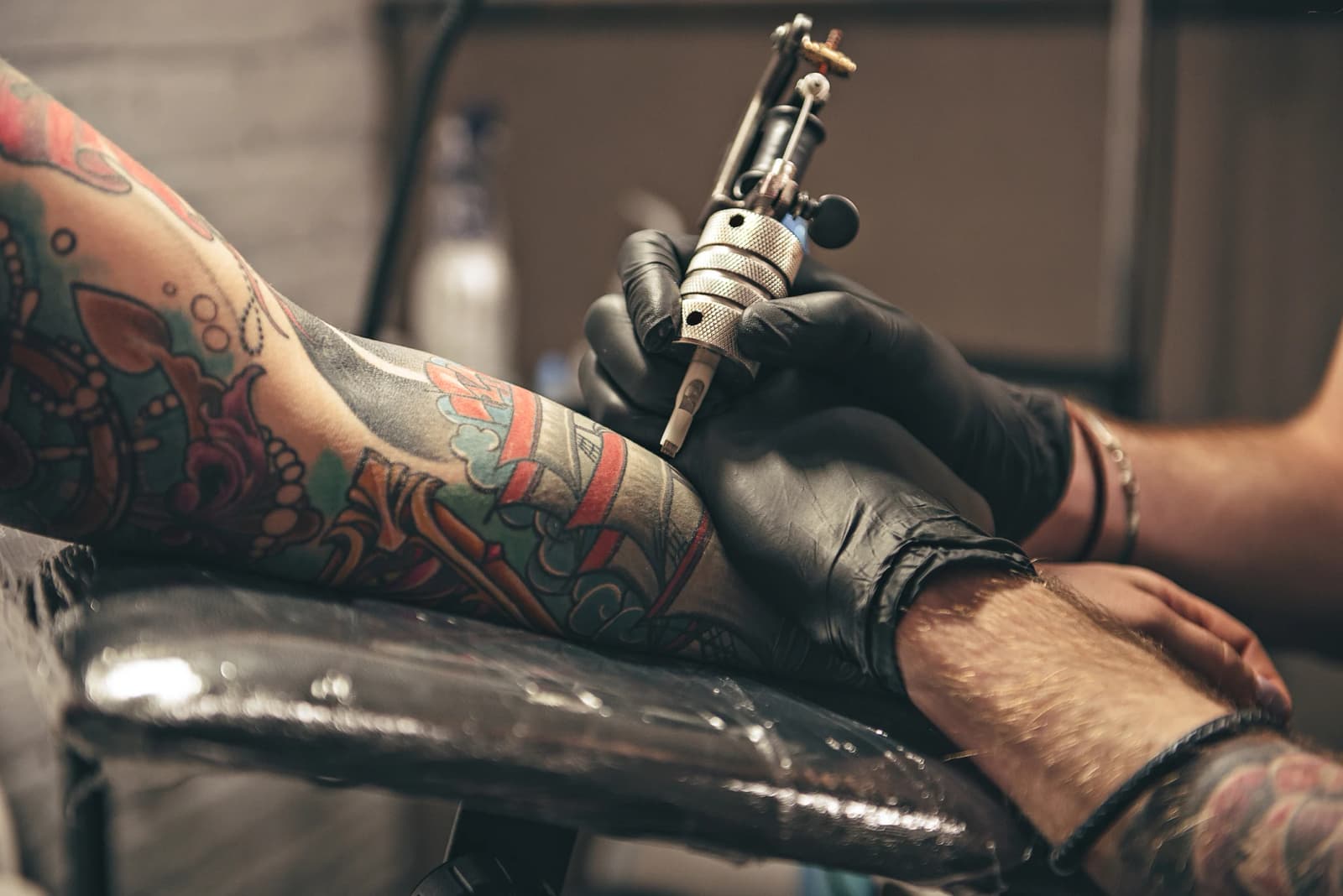
A tattoo cover-up involves creating a new tattoo over an existing one to make the original design less visible or completely conceal it. Instead of removing the tattoo pigment, a tattoo artist incorporates or masks the existing artwork into a new design. A successful cover-up requires considerably more planning than simply placing a new image over the old tattoo. The original tattoo's size, darkness, colors, shape, and location all influence what designs are possible.
Because the existing pigment remains underneath the new tattoo, cover-up designs often need to be larger or darker than the original. An experienced tattoo artist may use strategic shading, patterns, textures, flowers, animals, geometric designs, or other imagery to integrate the unwanted tattoo into the new artwork.
In some cases, partial laser tattoo removal before a cover-up may be recommended. Lightening the original tattoo can give the artist more flexibility and allow for a wider range of designs and colors. Unlike tattoo removal, a cover-up does not eliminate the presence of tattoo ink. Instead, it transforms the appearance of the tattoo into something the individual is more comfortable with.

Tattoo Removal vs. Cover-Up: The Main Difference
The fundamental difference is straightforward; Tattoo removal aims to reduce or eliminate the existing tattoo, whereas a cover-up replaces its appearance with a new tattoo.
Someone who wants completely tattoo-free skin will generally need to consider removal rather than a cover-up. On the other hand, someone who still enjoys tattoos but dislikes a particular design may find a cover-up more appealing.
The decision can also be influenced by the tattoo itself. A small, lightly colored tattoo may be easier to cover with a new design, while a large, dense, dark tattoo may require significant planning or laser lightening beforehand.
Which Option Is Faster?
At first glance, a cover-up may appear to be the faster option because it can often be completed in fewer appointments. However, the complexity of the new design and the size of the area can affect the time required. Tattoo removal typically takes much longer because it is performed over multiple sessions separated by healing intervals. Complete removal can take many months or, in some cases, longer.
For people who want to change their tattoo relatively quickly, a cover-up may therefore be more convenient. However, convenience should not be the only consideration. A cover-up permanently adds more tattoo pigment to the skin.
Which Option Provides Better Results?
There is no universal answer because the desired result is different for each person. If the goal is tattoo-free skin, laser removal is the more appropriate approach. If the goal is to replace an unwanted tattoo with a different design, a cover-up may provide a satisfying result.
Tattoo removal results can vary considerably. Some tattoos fade dramatically, while others may leave residual pigmentation. A cover-up can provide immediate visual transformation, but the original tattoo remains underneath. People should therefore establish their ultimate objective before choosing a treatment.
Factors That Affect Tattoo Removal
Several characteristics can influence the effectiveness of laser tattoo removal:
Tattoo Color: Different pigments absorb different wavelengths of laser energy. Dark pigments are often easier to target, while certain colors can be more resistant to treatment.
Tattoo Age: Older tattoos may sometimes respond differently from newer tattoos because pigment can naturally fade over time.
Tattoo Size: Larger tattoos require more treatment time and may require more sessions than small tattoos.
Ink Composition: The type and concentration of pigment can affect how easily it responds to laser treatment.
Skin Type: Skin tone and individual characteristics can influence laser selection and treatment settings. Appropriate wavelength and energy selection is particularly important for reducing the risk of unwanted pigmentation changes.
Tattoo Location: Blood circulation and other biological factors may influence how efficiently fragmented pigment is cleared from different parts of the body.
Factors That Affect a Tattoo Cover-Up
Cover-up possibilities depend heavily on the original tattoo.
Darkness is one of the most important factors. A very dark tattoo may show through a lighter design, making it difficult to achieve the desired result.
Size and shape also matter. The new tattoo generally needs to extend beyond the original design so the artist can incorporate it effectively.
Color is another consideration. Tattoo artists may use darker colors and strategic shading to disguise the underlying pigment.
Finally, the skill and experience of the tattoo artist are crucial. Cover-up tattoos require an understanding of composition, color theory, shading, and how existing pigment will affect the new artwork.
Which Option Is Right for Me?
Tattoo removal may be more appropriate if:
You want to eliminate the tattoo rather than replace it.
You no longer want tattoo artwork in that location.
You are willing to undergo multiple treatment sessions.
You prefer the possibility of having relatively clear skin afterward.
A cover-up may be more appropriate if:
You still want a tattoo but dislike the existing design.
You want a relatively immediate visual transformation.
The existing tattoo is suitable for incorporation into a new design.
You are comfortable with having a larger or darker tattoo.
For some people, the best solution may be a combination of partial tattoo removal followed by a cover-up.
Conclusion
Choosing between tattoo removal and tattoo cover-up ultimately comes down to what you want your skin to look like in the future. Tattoo removal is designed to progressively reduce unwanted pigment and is generally the better option for people who want to move toward tattoo-free skin. A cover-up, meanwhile, provides an opportunity to transform an unwanted tattoo into a completely new piece of artwork.
Neither option is universally better. Laser removal requires patience and multiple sessions, while a cover-up permanently adds new ink and may require a larger or darker design. For difficult or heavily pigmented tattoos, combining partial laser removal with a cover-up can sometimes provide the greatest creative flexibility.
Read More