

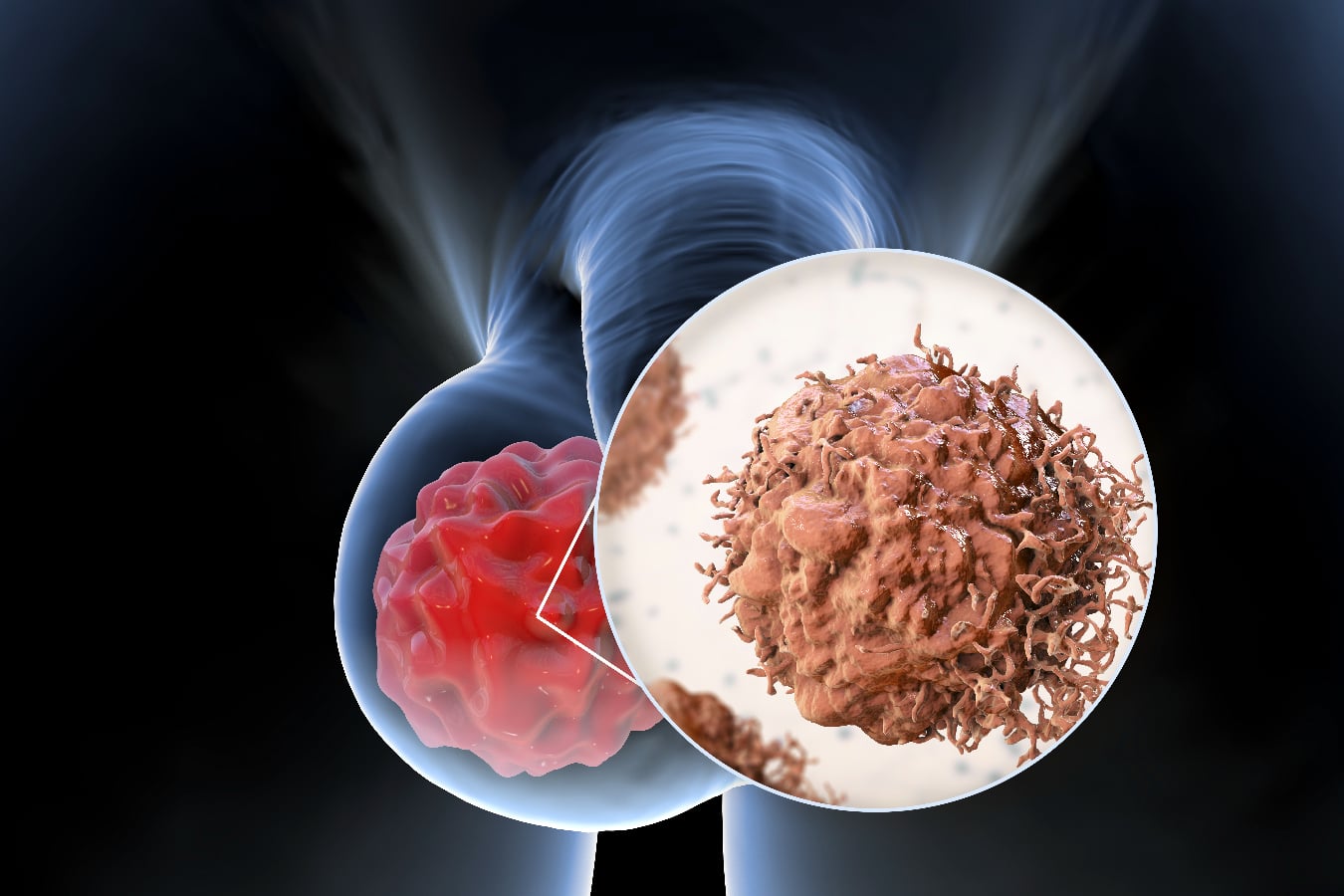
Testicular cancer is a relatively uncommon cancer that develops in the testicles, the male reproductive organs responsible for producing sperm and testosterone. Although receiving a cancer diagnosis can be concerning, testicular cancer is highly treatable, particularly when it is diagnosed at an early stage. Surgery plays a central role in treatment and is usually the first step when a testicular tumor is suspected or confirmed.
The type of surgery recommended depends on several factors, including the type of testicular cancer, its stage, whether it has spread to nearby lymph nodes or other parts of the body, and the patient's overall health and fertility goals. In many cases, surgery alone may be sufficient, while some patients may require chemotherapy, radiation therapy, or additional surgery.
What Is Surgery for Testicular Cancer?
Surgery for testicular cancer primarily involves removing the affected testicle and the spermatic cord through an operation called a radical inguinal orchiectomy. Unlike a conventional biopsy, in which only a small portion of a tumor is removed, the entire testicle containing the suspicious mass is usually removed and examined by a pathologist.
This approach serves both diagnostic and therapeutic purposes. The tissue removed during surgery allows specialists to determine the exact type and characteristics of the cancer, while removing the primary tumor eliminates the main source of the disease.
A transscrotal biopsy is generally avoided because it can increase the risk of local cancer spread. Instead, the surgeon accesses the testicle through an incision in the groin.

Radical Inguinal Orchiectomy
Radical inguinal orchiectomy is the standard surgical treatment for most testicular cancers. During the procedure, the surgeon makes an incision in the groin and carefully removes the affected testicle along with the spermatic cord.
The spermatic cord contains blood vessels, lymphatic vessels, and the vas deferens. Removing and controlling the cord through the inguinal approach helps reduce the possibility of cancer cells spreading through these pathways.
Before surgery, doctors generally perform blood tests to measure tumor markers such as alpha-fetoprotein (AFP), beta-human chorionic gonadotropin (β-hCG), and lactate dehydrogenase (LDH). These markers can help with diagnosis, staging, treatment planning, and monitoring after surgery.
The removed testicle is then sent to a laboratory for detailed pathological examination. The pathology report can identify the cancer type and provide important information that helps doctors determine whether additional treatment is necessary.
Can the Testicle Be Preserved?
In most cases of confirmed testicular cancer, removing the entire affected testicle is the preferred approach. However, testis-sparing surgery, also known as partial orchiectomy, may be considered in carefully selected circumstances.
This procedure removes the tumor while preserving some healthy testicular tissue. It may be considered when cancer affects both testicles, when a patient has only one functioning testicle, or when preservation of hormonal or reproductive function is particularly important.
Partial orchiectomy is not a routine treatment because preserving part of the testicle can carry a higher risk of cancer recurrence and may require intensive long-term monitoring. In some circumstances, additional treatment may also be recommended. Therefore, the decision should be made by an experienced urologic cancer specialist after careful evaluation.
Retroperitoneal Lymph Node Dissection (RPLND)
For some patients, particularly those with certain types and stages of non-seminomatous testicular cancer, doctors may recommend retroperitoneal lymph node dissection (RPLND).
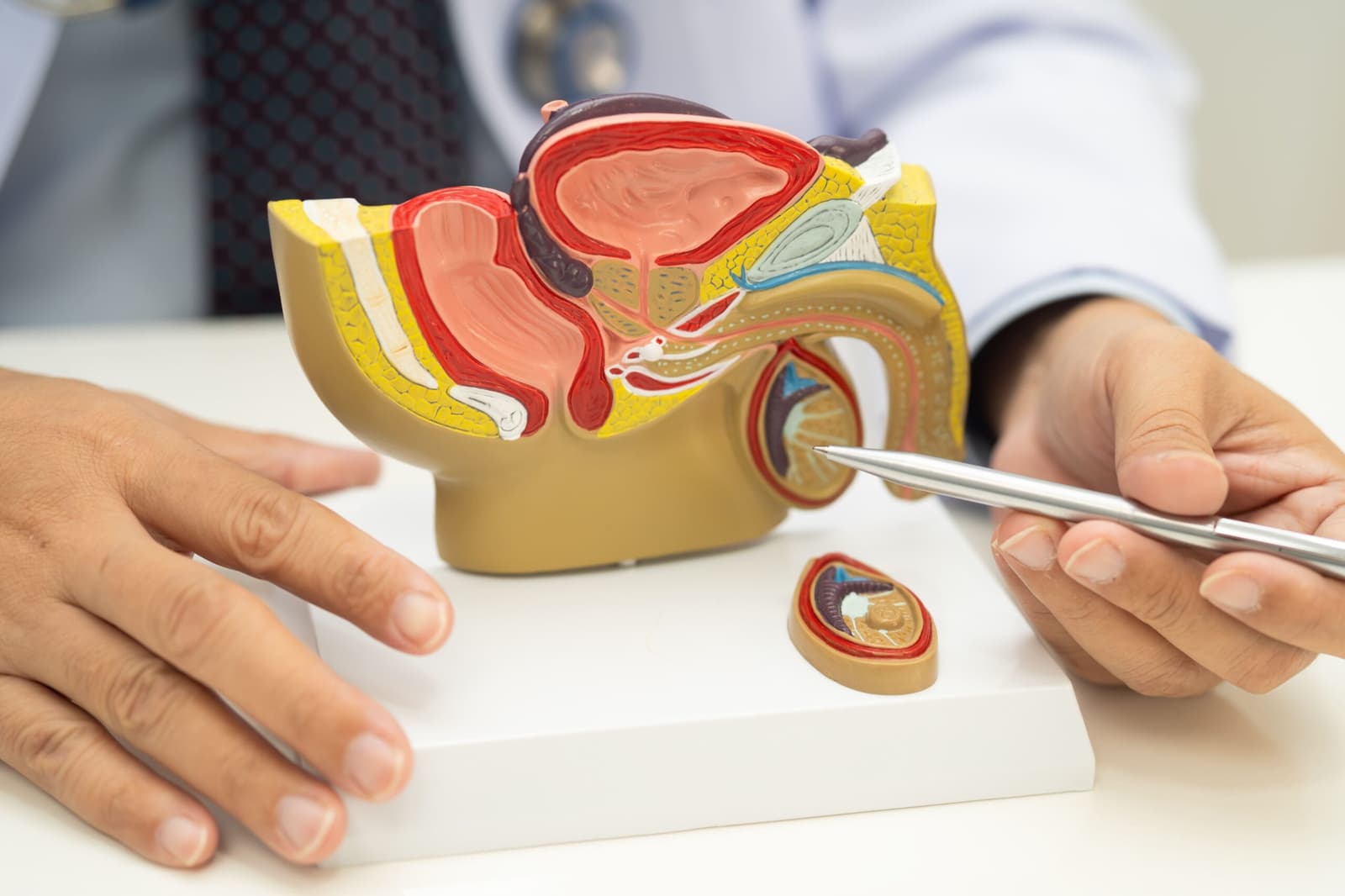
The retroperitoneum is the area at the back of the abdomen that contains important blood vessels and lymph nodes. Testicular cancer can spread to these lymph nodes, making their evaluation or removal an important part of treatment for selected patients.
During RPLND, the surgeon removes specific lymph nodes and surrounding tissue through an abdominal approach. The procedure can provide valuable information about whether cancer has spread and may also treat cancer that has reached these lymph nodes.
RPLND is a complex operation and should generally be performed by a surgeon with substantial experience in this procedure. In selected patients, minimally invasive approaches such as laparoscopic or robotic surgery may be considered. The appropriate technique depends on the patient's cancer characteristics and the surgeon's expertise.
One important consideration is the potential effect of RPLND on ejaculation. Modern nerve-sparing techniques can help preserve the nerves involved in ejaculation in appropriately selected patients, but the risk of reproductive or sexual side effects should be discussed before treatment.
What Happens After Surgery?
The next stage of treatment depends on the pathology results, tumor markers, imaging findings, and overall cancer stage.
Some patients with early-stage testicular cancer may require surveillance only after orchiectomy. Surveillance involves regular medical appointments, blood tests for tumor markers, physical examinations, and imaging studies. The purpose is to detect any recurrence as early as possible while avoiding unnecessary additional treatment.
Other patients may need chemotherapy, radiation therapy, or additional surgery. For example, patients with certain stage II cancers may require treatment directed at cancer that has spread beyond the testicle. The choice depends on whether the cancer is a seminoma or non-seminoma, the size and location of any lymph-node involvement, tumor-marker levels, and other individual factors.
Testicular cancer is highly curable, and even some cancers that have spread beyond the testicle can be treated successfully. Therefore, treatment planning should be individualized rather than based solely on the presence of metastasis.
Recovery After Testicular Cancer Surgery
Recovery following radical inguinal orchiectomy varies from person to person. Because the procedure is performed through the groin rather than directly through the scrotum, patients may experience discomfort, swelling, or bruising around the surgical area during the initial recovery period.
Doctors typically provide instructions regarding wound care, physical activity, exercise, lifting heavy objects, and returning to work. Patients should follow these instructions carefully and contact their medical team if they develop symptoms such as significant bleeding, fever, increasing pain, wound infection, or other unexpected problems.
Recovery from RPLND can take longer because it is a more extensive abdominal operation. The duration of recovery depends on the surgical technique, the extent of lymph-node removal, the patient's general health, and whether other treatments are required.
Fertility and Hormonal Function
Fertility is an important consideration for men undergoing treatment for testicular cancer, particularly because many patients are young and may wish to have children in the future.
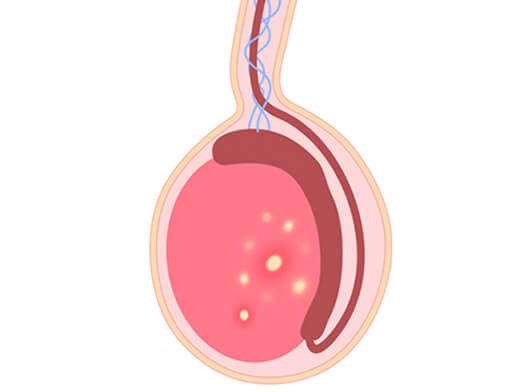
Removing one testicle does not necessarily cause infertility or sexual dysfunction. If the remaining testicle is healthy and functioning normally, it can often produce sufficient testosterone and sperm.
However, fertility can be affected by the cancer itself, additional treatments such as chemotherapy, or surgery involving the retroperitoneal lymph nodes. For this reason, patients who may want biological children in the future should discuss fertility preservation with their medical team before treatment. Sperm banking may be considered when appropriate.
If both testicles need to be removed, natural sperm production is no longer possible, and testosterone replacement is generally required because the body can no longer produce sufficient testosterone.
Testicular Prosthesis
Some men are concerned about the physical appearance of the scrotum after orchiectomy. A testicular prosthesis can be placed inside the scrotum to provide a more natural appearance.
A prosthesis is optional and does not affect cancer treatment. Some patients choose to have one inserted during the original surgery, while others decide later. Patients can discuss this option with their urologist before surgery.
The decision is personal, and factors such as comfort, appearance, potential complications, and individual preferences should be considered.
Risks and Possible Side Effects
As with any surgical procedure, testicular cancer surgery can involve certain risks. General surgical risks may include infection, bleeding, blood clots, and reactions to anesthesia.
Radical inguinal orchiectomy is generally well tolerated, but patients may experience temporary pain, swelling, or changes in sensation around the surgical area.
More extensive procedures such as RPLND have additional potential complications because the operation involves structures deep within the abdomen. Depending on the technique and individual circumstances, possible complications can include infection, bowel problems, bleeding, and changes in ejaculation.
Discussing potential risks with an experienced urologic oncologist before surgery can help patients understand what to expect and make informed decisions about treatment.
Conclusion
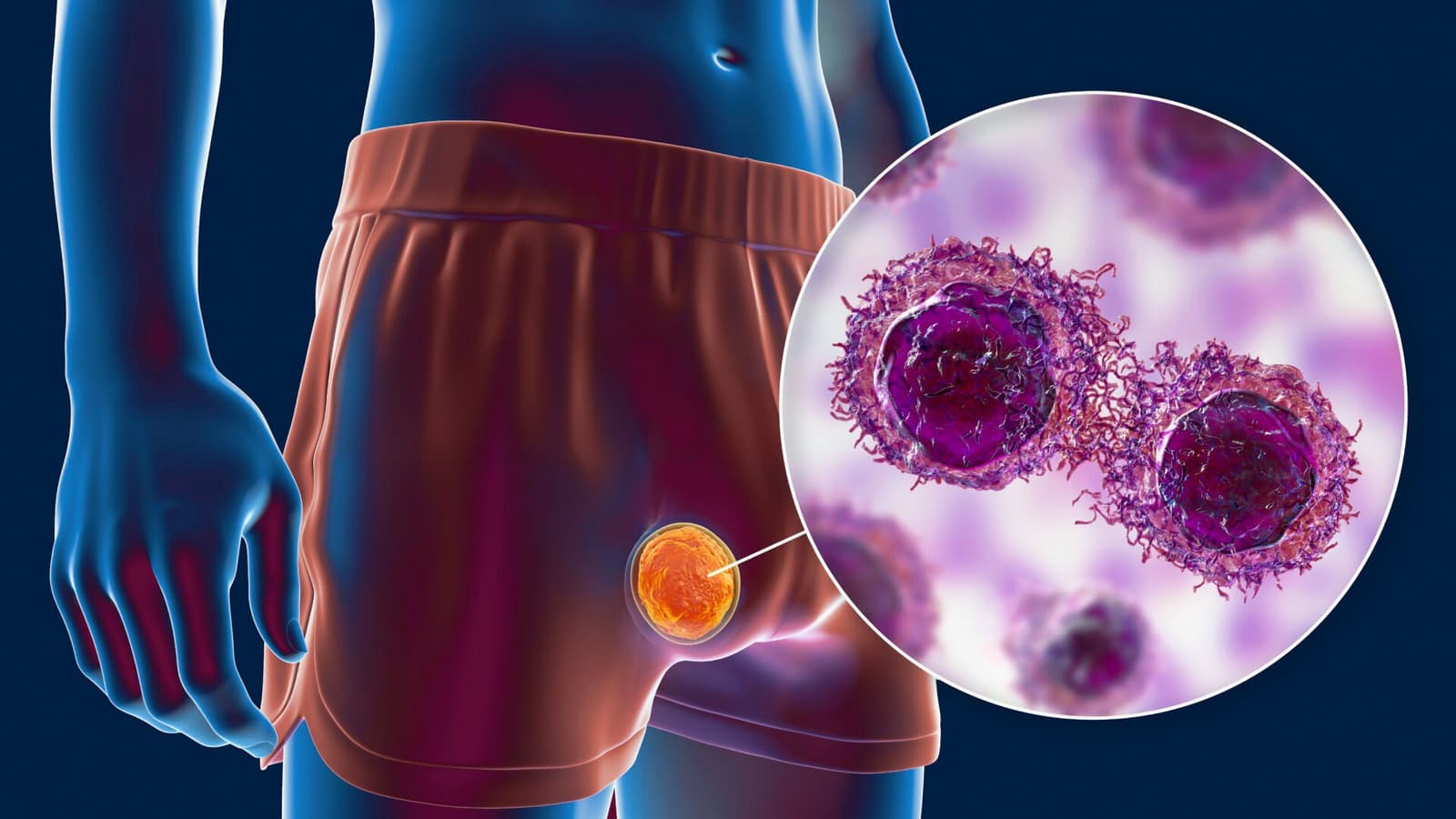
Surgery is a fundamental part of treatment for most testicular cancers, with radical inguinal orchiectomy serving as the standard initial procedure for a malignant testicular mass. The operation removes the affected testicle and spermatic cord and provides tissue for definitive pathological diagnosis.
Depending on the cancer type and stage, some patients may need no further treatment beyond careful surveillance, while others may require chemotherapy, radiation therapy, or additional procedures such as retroperitoneal lymph node dissection. Fertility, testosterone production, sexual function, and body image are also important considerations when planning treatment.
Read More