Skin cancer is one of the most common forms, originating in the skin cells. There are several types, including melanoma, which is particularly aggressive, and non-melanoma skin cancers such as basal cell carcinoma and squamous cell carcinoma.
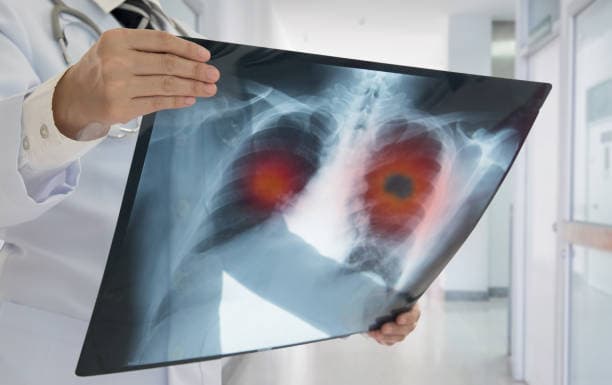
Cancers of the respiratory system include lung cancer, which can affect the bronchi, bronchioles, or alveoli. It is often linked to smoking, but can also occur due to environmental factors. Throat cancers, including laryngeal and pharyngeal cancers, are other significant types affecting the respiratory tract.
Digestive system cancers can occur in any part of the gastrointestinal tract, including the esophagus, stomach, liver, pancreas, intestines, and rectum. Examples include esophageal cancer, gallbladder cancer, gastric cancer, hepatocellular carcinoma (liver cancer), pancreatic cancer, and colorectal cancer. These cancers are influenced by various factors such as diet, lifestyle, and genetic predispositions.
In the reproductive system, cancers can affect both men and women. Women may develop breast cancer, ovarian cancer, cervical cancer, and uterine cancer. Each type has different risk factors, symptoms, and treatment protocols. Men can develop prostate cancer, testicular cancer, and less commonly, penile cancer.
The urinary system is also susceptible to cancer, particularly bladder cancer and kidney cancer (renal cell carcinoma). These cancers may present with symptoms such as blood in the urine and frequent urination.
Blood and lymphatic system cancers include leukemia, lymphoma, and multiple myeloma. Leukemia affects the blood and bone marrow, leading to an overproduction of abnormal white blood cells. Lymphomas originate in the lymphatic system, which is part of the body's immune system, and can be classified into Hodgkin lymphoma and non-Hodgkin lymphoma.
Central nervous system cancers involve tumors that develop in the brain and spinal cord. These cancers can significantly impact a person's quality of life and functionality due to their critical locations. Common examples include gliomas, which arise from glial cells, and meningiomas, which develop from the meninges, the protective layers around the brain and spinal cord.
Lastly, sarcomas are cancers that originate in connective tissues, such as bones, muscles, cartilage, and fat. They can be further classified into subtypes like osteosarcoma (bone cancer) and liposarcoma (fat tissue cancer).