

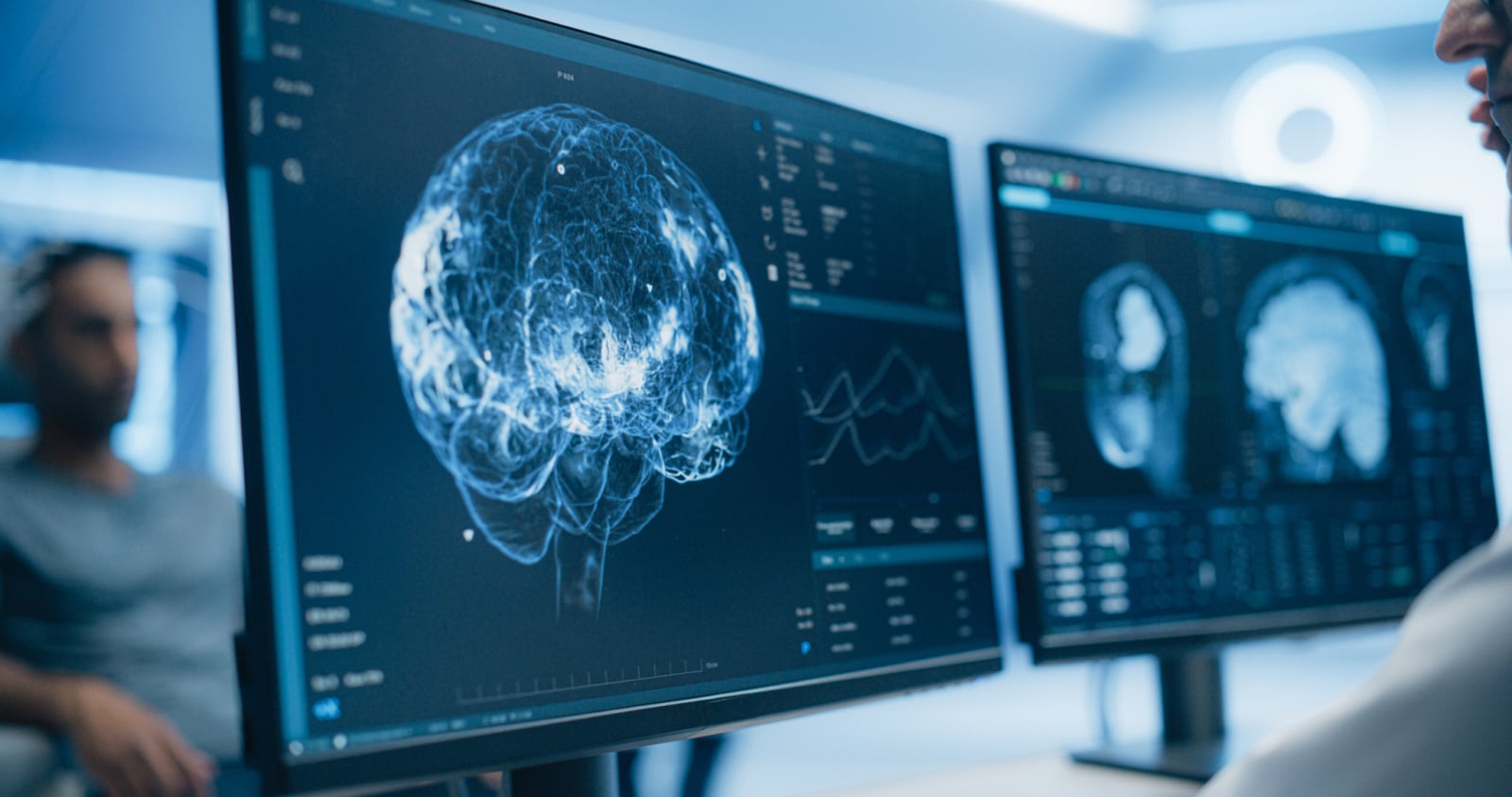
Medical imaging has revolutionized modern healthcare, enabling doctors to diagnose, monitor, and treat a wide range of conditions with remarkable accuracy. Techniques such as X-rays, computed tomography (CT) scans, and nuclear medicine imaging rely on radiation to produce detailed images of the body. While these technologies provide significant medical benefits, many patients are concerned about the potential risks associated with radiation exposure. Understanding the risks of radiation in medical imaging, as well as how those risks are managed, can help patients make informed decisions and feel more confident about their care.
What is Radiation in Medical Imaging?
Radiation used in medical imaging refers to ionizing radiation, a form of energy that can pass through the body to create images of internal structures. This type of radiation is used in:
X-rays (Radiography)
CT (Computed Tomography) scans
Fluoroscopy
Nuclear medicine scans (such as PET scans)
Ionizing radiation works by penetrating tissues at different levels, allowing imaging devices to capture variations and produce diagnostic images. While effective, this process involves exposure to small amounts of radiation, which raises questions about safety.
Why Radiation Is Used in Healthcare
The use of radiation in medical imaging is based on its ability to provide fast, accurate, and non-invasive insights into the body. It helps doctors:
Detect fractures, tumors, and infections
Monitor chronic diseases
Guide surgical procedures
Evaluate treatment effectiveness
In many cases, the benefits of obtaining accurate diagnostic information far outweigh the potential risks associated with radiation exposure.
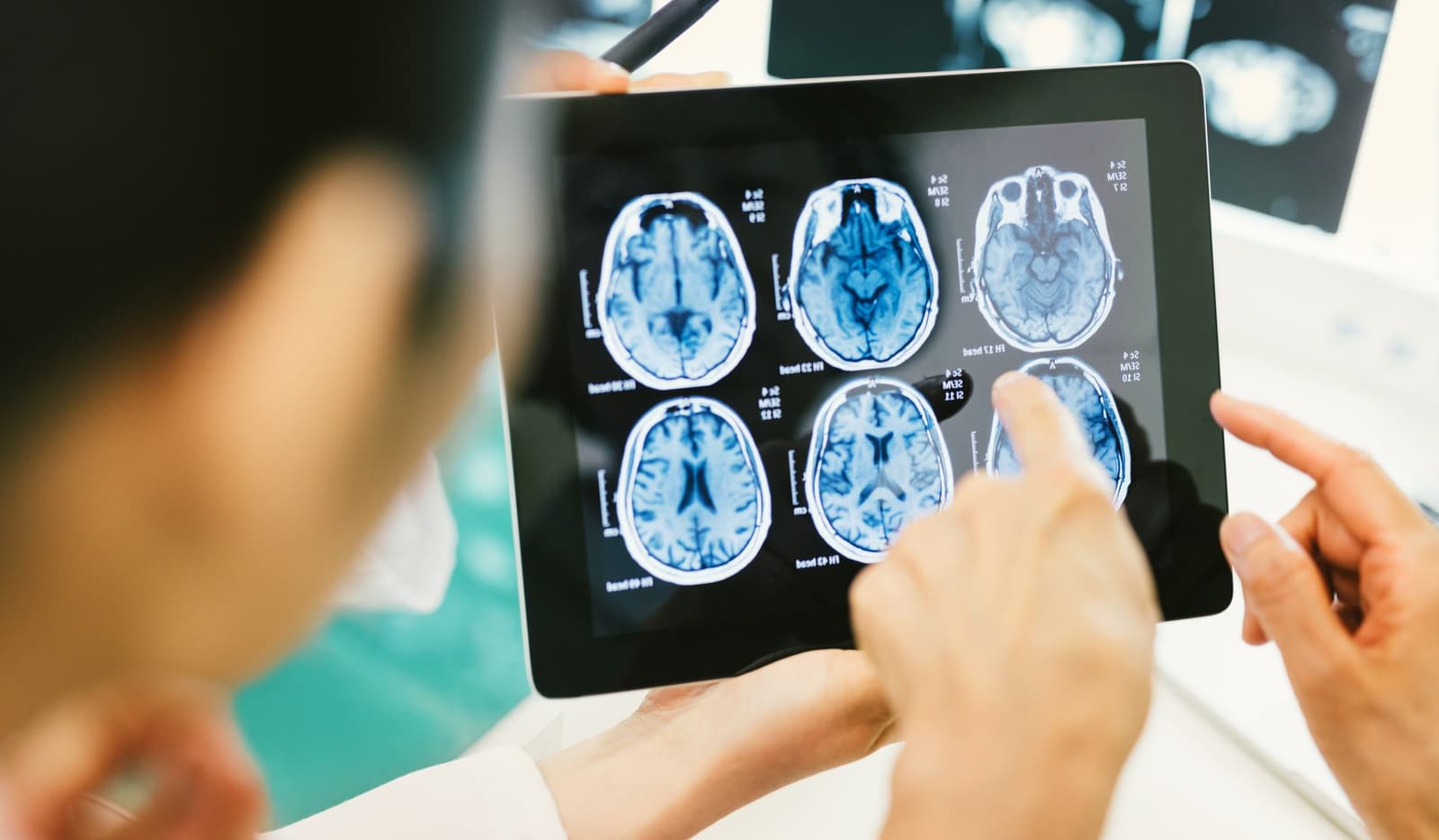
Understanding Radiation Dose
Radiation exposure is measured in units called millisieverts (mSv). Different imaging procedures involve varying levels of exposure:
Chest X-ray: Very low dose
CT scan: Moderate to higher dose depending on the area
PET scan: Higher dose due to radioactive tracers
For perspective, people are naturally exposed to background radiation from the environment every day. Medical imaging adds to this exposure, but usually within safe limits when used appropriately.
Potential Risks of Radiation in Medical Imaging
Although medical imaging is generally safe, radiation exposure carries some potential risks, especially when accumulated over time.
Increased Cancer Risk
The most widely discussed risk is a slight increase in the long-term risk of developing cancer. Ionizing radiation can damage DNA in cells, potentially leading to mutations. However, it is important to note:
The risk from a single imaging test is extremely low
The risk increases only with repeated or high-dose exposure
Medical imaging is carefully controlled to minimize unnecessary exposure
Effects on Sensitive Populations
Certain groups are more sensitive to radiation:
Children: Their developing tissues are more vulnerable
Pregnant women: Radiation may affect fetal development
Patients requiring frequent imaging: Such as those with chronic conditions
In these cases, healthcare providers take extra precautions or consider alternative imaging methods when possible.
Cumulative Exposure
Repeated imaging tests over time can lead to cumulative radiation exposure. While each individual test may be safe, multiple procedures can increase overall risk. This is particularly relevant for:
Cancer patients undergoing regular scans
Individuals with chronic illnesses
Patients who undergo frequent diagnostic follow-ups
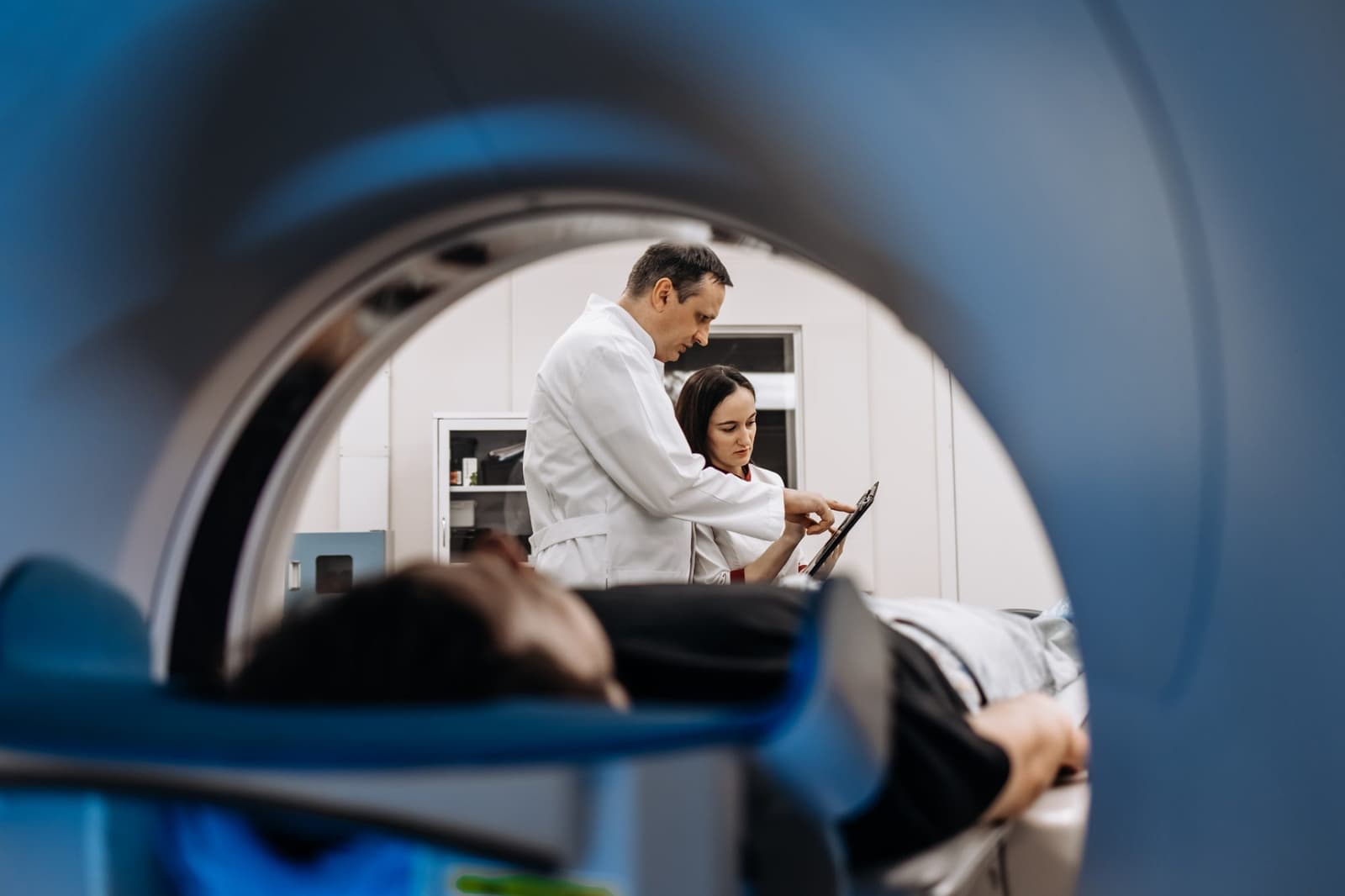
Radiation Burns (Rare Cases)
In very rare cases—usually involving prolonged or high-dose procedures like fluoroscopy—patients may experience skin irritation or burns. These cases are uncommon and typically associated with complex interventional procedures.
Allergic Reactions (Indirect Risk)
Some imaging procedures involve contrast agents, which are not radiation-related but are often used alongside imaging. These can cause allergic reactions in certain individuals.
How Safe Is Medical Imaging?
Despite these risks, medical imaging is considered very safe when performed under proper guidelines. Healthcare providers follow strict protocols to ensure patient safety. Key safety principles include:
ALARA Principle (As Low As Reasonably Achievable): Minimizing radiation exposure while obtaining necessary diagnostic information
Modern Technology: Advanced machines use lower doses than older equipment
Personalized Imaging: Adjusting radiation levels based on patient size, age, and medical need
Benefits vs. Risks: A Balanced Perspective
When evaluating radiation risks, it is essential to consider the benefits. In many cases, imaging can:
Detect life-threatening conditions early
Prevent unnecessary surgeries
Guide life-saving treatments
For example, a CT scan that identifies a serious internal injury can be critical in emergency situations. The small potential risk from radiation is often outweighed by the immediate medical benefit.
Reducing Radiation Risks
Patients and healthcare providers can take several steps to minimize radiation exposure:
Avoid Unnecessary Tests: Only undergo imaging when it is medically justified. Always ask your doctor if the test is essential.
Keep Medical Records: Maintain a record of previous imaging tests to avoid duplication, especially when traveling for medical care.
Ask About Alternatives: In some cases, non-radiation imaging methods like ultrasound or MRI may be suitable alternatives.
Choose Accredited Facilities: Ensure that imaging is performed at reputable centers with modern equipment and trained professionals.
Inform Your Doctor: Always inform your healthcare provider about; pregnancy or possible pregnancy, previous imaging history & existing medical conditions.
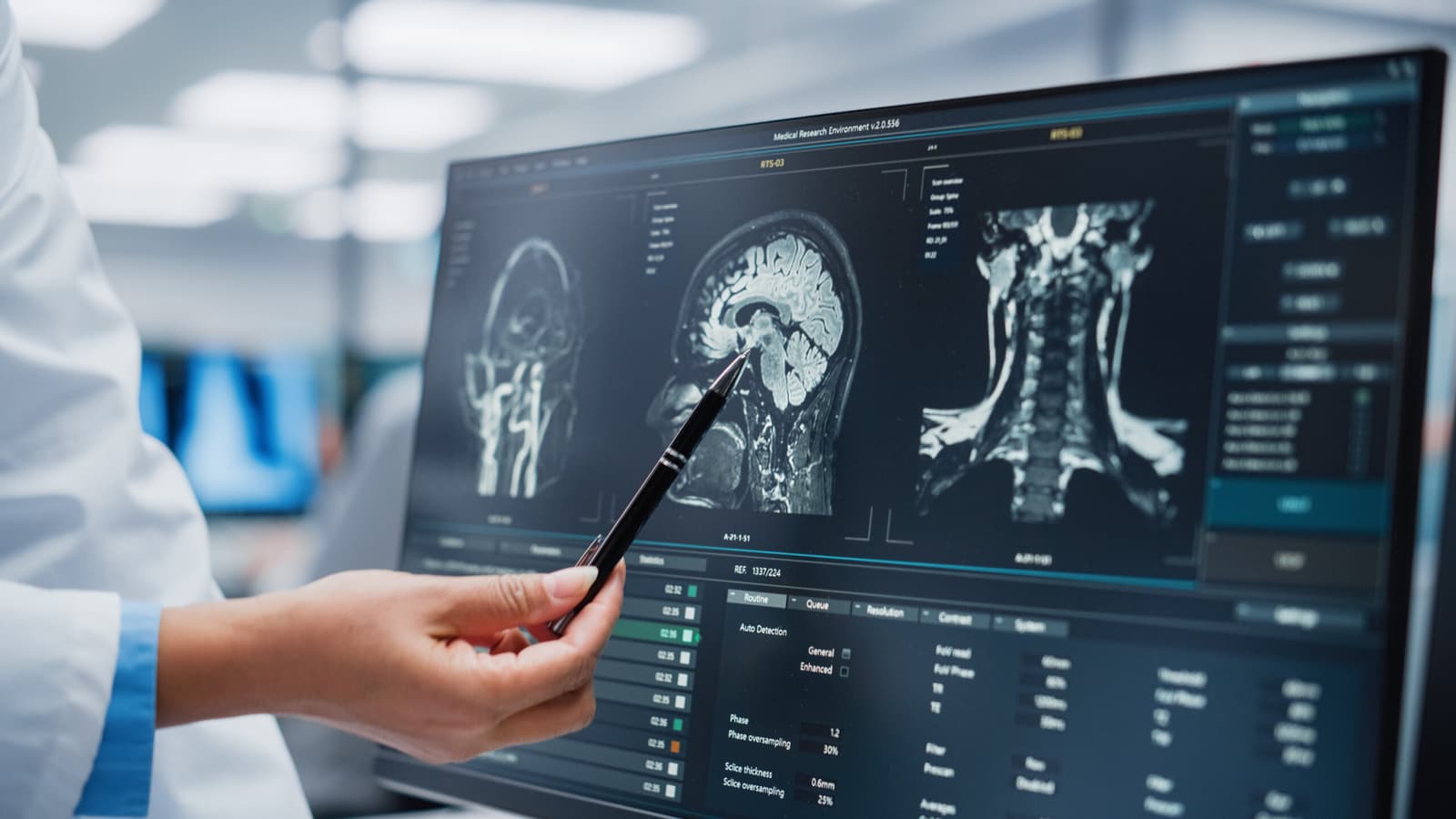
Common Myths about Radiation in Medical Imaging
All Radiation Is Dangerous: While high doses can be harmful, the low doses used in medical imaging are generally safe and controlled.
One Scan Can Cause Cancer: The risk from a single scan is extremely small and should not deter necessary medical care.
Avoid imaging at All Costs: Avoiding necessary imaging can delay diagnosis and lead to worse health outcomes.
Conclusion
Radiation in medical imaging is a powerful tool that plays a crucial role in modern diagnosis and treatment. While there are potential risks—such as a slight increase in cancer risk or cumulative exposure—these risks are generally minimal when imaging is used appropriately. Healthcare providers follow strict safety guidelines to minimize radiation exposure, ensuring that the benefits of accurate diagnosis far outweigh the risks.
Read More